

UAE Dust Storm 2026: Areas Affected, Sea Warnings and Safety Tips
-
Dhivyanshu
- . May 20, 2026
- . Update: May 29, 2026 4:50 pm
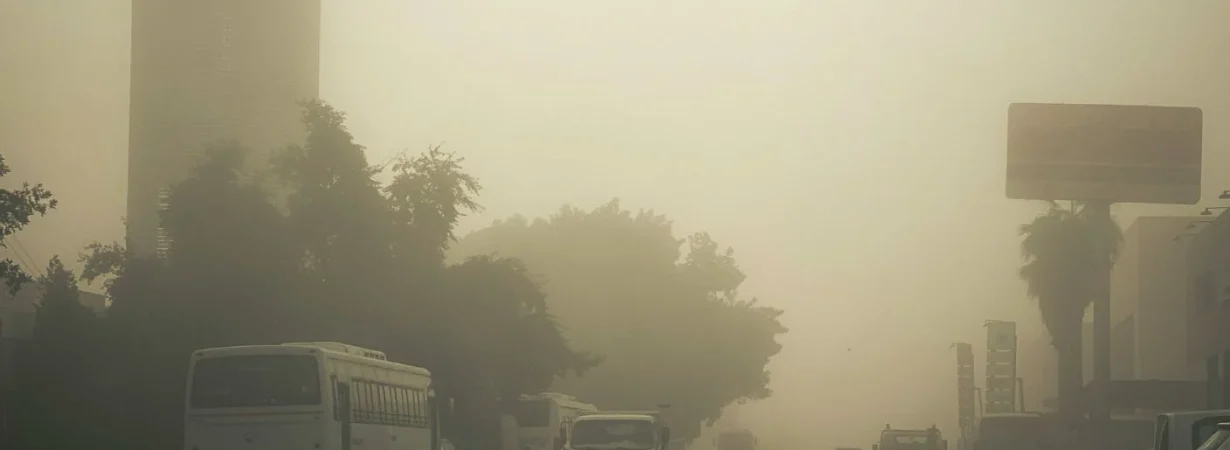
The weather is getting very erratic in Dubai, UAE, this week, with dusty weather being recorded in many parts of the UAE. Authorities have issued severe warnings over the blowing sand and dangerous outside conditions as wind speeds are in excess of 40 km per hour. UAE dust storm 2026, Determining the exact area to be affected and following appropriate low visibility guidelines is key to a safe and undisturbed week.
Understanding the Meteorological Causes and Affected Zones
A weak low is located over the atmosphere from the east, and a high is located over the atmosphere from the west, leading to a weak low-pressure system throughout the atmosphere. The upper air ridge combined with this combination, which produces strong northerly to southerly winds. The National Centre of Meteorology (NCM) says the worst-hit areas are now coastal and internal regions where the changes are the most extreme.
The temperatures in the interior could range from 39°C to a hot 45°C, and in the mountains, it may be cooler, ranging from 29°C to 34°C, but in either case, residents should take desert climate precautions necessary to avoid sudden respiratory ailments and heat-related exhaustion due to the extreme heat and suspended particulates that are in the air.
Important maritime navigation advisories for the Week
These high-speed winds are causing heavy winds in the Arabian Gulf and the Oman Sea. There are strong current maritime navigation advisories against any recreational boating, fishing and swimming this weekend.
- Conditions are expected to be rough to very rough in the Arabian Gulf particularly in the northern regions during the afternoon.
- There will also be rough waves in the Oman Sea which will be rough in intervals, gradually increasing in the evening.
It is highly recommended to watch the official advices issued by Emirates News Agency (WAM) before undertaking coastal or offshore activities, in case of any sudden changes in these maritime navigation advisories.
Top Picks For You
Discover top Middle East tourist sights?
Explore must-visit landmarks across the region for travelers.
Explore essential apps for Arab travel?
Check must-have apps to simplify your trip planning.
Check common travel mistakes Arab countries?
Discover key errors tourists should avoid during visits.
Explore top Arab festivals for tourists?
Discover unique cultural events across non-GCC destinations.
Check tourist safety tips Arab countries?
Explore essential precautions for safe and smooth travel.
Critical low visibility guidelines for Motorists
Strong winds are repeatedly hurl the loose sand and the situation is rapidly worsening on the open highways. The Ministry of Interior (MOI) advises all motorists to abide by the low visibility guidelines on the main roads between Abu Dhabi, Dubai and Sharjah, where sand buildup is the worst.
- Reduce Speed Significantly: Always drive below the speed limit.
- Use Fog Lights: Do not use high beam lights as they reflect back into the eyes and can make it harder to see.
- Increase Following Distance: Leave extra room between cars – increase following distance.
It is essential to follow these extensive instructions for low visibility guidelines when driving to prevent big pile-ups from occurring on the highways. The National Emergency Crisis and Disasters Management Authority (NCEMA) also recommends that people put off unnecessary travel until the air clears.
Health and desert climate precautions for Residents
The dust hazard is acute and severe for persons with asthma, allergies and other long-term lung diseases. Taking sensible desert climate precautions is extremely important to the families.
Doctors recommend everyone to stay in at all times and close off all windows and doors. Indoor air purifiers are used for good indoor air quality. Wearing a protective face mask and protective eyewear are highly recommended desert climate precautions that must be taken when going outside. If anyone would like to find out the other health and safety guidelines, then you can always check the UAE Government Portal for more comprehensive information to make sure you are well-equipped for the shifting conditions.
FAQs
1. Which areas are most impacted by the current dusty winds?
The suspended sand and high wind have had the greatest effect in coastal and inland areas throughout the country, including the open country roads between Abu Dhabi and Dubai.
2. What do the latest maritime navigation advisories recommend?
Current maritime navigation advisories severely warn against going out to sea. The Arabian Gulf and the Oman Sea are both rough to very rough seas and boating and swimming are highly dangerous.
3. Are there specific low visibility guidelines for driving?
Yes. Drivers will need to substantially decrease their speed, switch to low-beam and/or fog lights instead of high beams, and refrain from using any devices that distract them. These low visibility rules allow you time to take appropriate safety measures if the vehicle in front of you stops suddenly.
4. What desert climate precautions should vulnerable individuals take?
People suffering from lung diseases should take active measures to prevent any respiratory risks like staying indoors, closing all windows and wearing a protective mask if it is impossible to stay out of the desert.