
Morocco New Subsidized Flour Rules Explained: What the 2026–2027 Wheat Regulations Mean for Bakeries and Consumers
-
Dhivyanshu
- . July 7, 2026
- . Update: July 10, 2026 12:32 pm
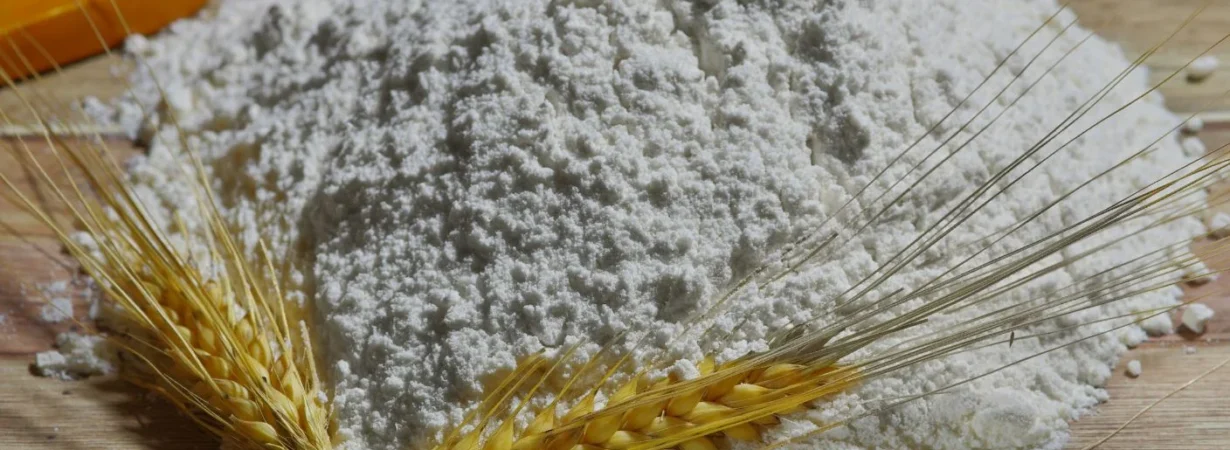
Morocco’s government has recently rolled out some critical updates in its agricultural policies, sort of trying to shore up food security and keep local markets steady. Morocco new subsidized flour rules, The new subsidized flour rules are meant to reshape the way soft wheat gets purchased, then processed, and finally handed out. With the 2026–2027 wheat regulations coming in, officials say they want more transparency throughout the whole chain. For bakeries and households too, these Moroccan subsidized flour rules come with revised tracking methods, tighter packaging guidelines, and, most importantly, protected consumer prices
Understanding the 2026–2027 Wheat Regulations in Morocco
At the base of the 2026–2027 wheat regulations, there’s Joint Decision No. 1096.26, which was published in the Official Gazette. This is supported by the Ministry of Economy and Finance, alongside the relevant agricultural authorities, and it is meant to cover the complete cycle of subsidized flour production. The idea is that public funding reaches the population properly, without much leakage or confusion
The Role of ONICL in Wheat Procurement
Under the latest directives, the National Office of Cereals and Legumes, ONICL, keeps even stronger grip on ONICL wheat procurement. Soft wheat that will be used for subsidized flour will now be bought only through transparent public tenders. Grain traders, agricultural cooperatives, and unions will need to satisfy strict legal conditions to join in, so only qualified groups handle national food supplies.
Flour Categories and Extraction Rates
The rules keep a clear, qualitative line between two kinds of flour, more or less, not really the same at all:
- National soft wheat flour: Has an 81% extraction rate; it’s meant for regular use and the baking basics, generally.
- Special soft wheat flour: Sits at a 74% extraction rate; it’s more refined for particular culinary tasks, sort of dedicated.
What These Rules Mean for Industrial Bakeries and Mills
For the milling side, the flour subsidy regulations set tight rules for how operations run and how product is presented. As some industry observers point out, mills should put the flour into standardized 50-kilogram bags, and pay for that by themselves (though there is an exception for Morocco’s southern provinces).
And to limit supply chain diversion, every bag is now required to show a specific 10-centimeter green stripe, plus the mill’s official stamp, and also a unique serial number. Those serial numbers have to line up with the delivery receipts, giving a level of monitoring that’s, frankly, more rigorous than before, and making illicit resale much harder. Even though the government set the selling price of soft wheat to industrial mills at MAD 258.80 per quintal, mills still can refuse grain that doesn’t meet the technical quality thresholds.
Impact on Consumers: Keeping Bread Affordable
Even with turbulent, worldwide grain markets still kind of wobbling around and with the lingering effects from the recent droughts, the main goal behind Morocco’s new rules on subsidized flour is really consumer protection first, and that’s it. The government says it’s managed to keep retail prices exactly as they were.
As Morocco World News reports, the top retail rate for the national subsidized flour stays limited to MAD 200 per quintal. For the flour that is not in packages and gets sold straight out of mills, it cannot go above MAD 182 per quintal. Wholesale prices meanwhile are capped at MAD 188 per quintal. So by keeping these firm price ceilings in place, the government is basically making sure bakeries can keep on producing affordable bread, which is an absolute must-have, a daily staple in Morocco.
The rollout of the 2026–2027 wheat regulations is seen as a key proactive move toward protecting Morocco’s food supply. The new subsidized flour rules, by modernizing ONICL wheat procurement and adding tighter oversight over industrial mills, try to find a careful balance between industry responsibility and consumer protection. And when global markets remain unpredictable, these Moroccan subsidized flour rules are intended to make sure the ordinary daily necessities stay reliably affordable and within reach for everyone.
FAQs
Q1: What are the main changes in the 2026–2027 wheat regulations?
The new rules bring in stricter ONICL wheat procurement through public tenders, mandatory serial tracking on packaging, and rather rigid price caps, sort of to modernize the country’s subsidized flour production.
Q2: Will the price of bread or flour increase for consumers?
No. One of the key parts in Morocco’s updated subsidized flour rules is that the maximum retail prices stay frozen, so the cost of national subsidized flour remains reliably capped at MAD 200 per quintal.
Q3: How are the new rules preventing fraud in the supply chain?
Now, mills have to print a unique serial number on each and every single 50-kilogram bag of subsidized flour. That number must match, perfectly, with the delivery documents, improving traceability in a noticeable way.
Explore More Must-Reads
Explore current vs savings account differences?
Discover how choosing between current and savings accounts can impact your daily banking and long-term financial planning.
Explore Cairo living costs 2025–2026 trends?
Check how rising expenses and inflation are shaping everyday life and budgeting in Cairo for residents.
Explore Amman jobs and living reality?
Discover real salaries, job opportunities, and actual living costs in Amman before making a move.
Explore best countries for Arabs 2026?
Check top destinations, visa options, and opportunities for Arabs planning to relocate in 2026.
Explore Morocco gig economy earnings and taxes?
Discover platforms, income potential, and tax rules shaping Morocco’s growing gig economy.