
IMF Raises Egypt’s GDP Growth Forecast to 4.6%: What It Means for the Economy and Investment
-
Dhivyanshu
- . July 9, 2026
- . Update: July 10, 2026 11:58 am
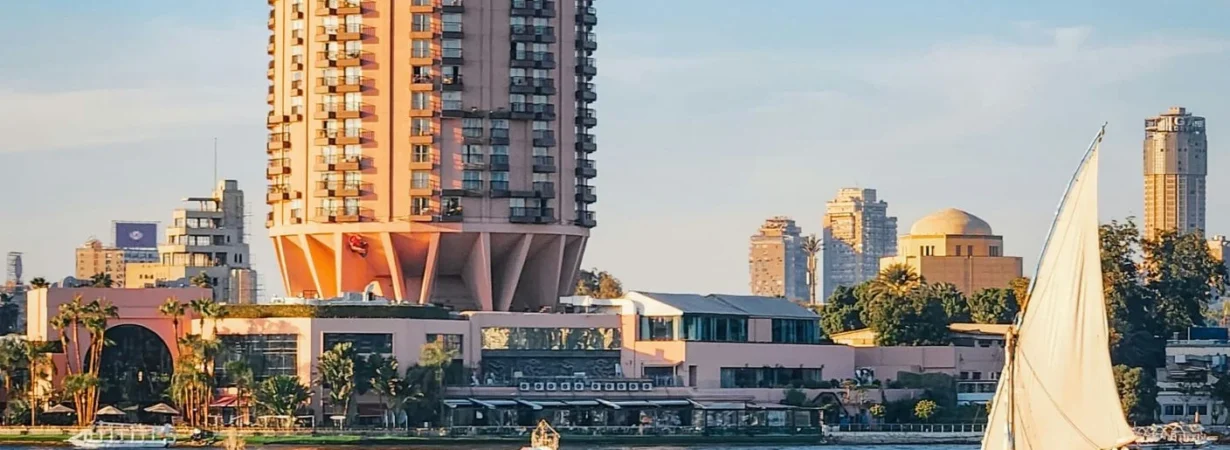
The global financial landscape is kinda shifting, and North Africa is catching the spotlight too. Recently, the International Monetary Fund (IMF) made a major announcement, raising the Egypt GDP growth forecast to a pretty promising 4.6%. For a country that is still dealing with complex financial hurdles, this upward revision feels like a critical turning point, the kind that you don’t just ignore. Still, there is one big question: what is actually feeding this renewed optimism?
In this article, we will unpack the latest IMF economic outlook for Egypt, look at the key catalysts behind this surge, and explain what it ultimately means for the wider Egypt economy as well as the investment landscape.
Unpacking the IMF Economic Outlook Egypt
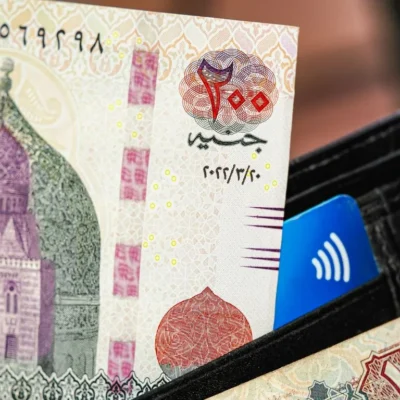
The revised Egypt GDP growth forecast at 4.6% shows a strong rebound, compared to earlier fiscal ideas or estimates. Per the International Monetary Fund (IMF), this growth is mostly tied to the Egyptian government’s promise to push through broad structural changes, you know the kind that touch a lot of areas at once.
After a spell of serious currency shortages and persistent high inflation, the state rolled out aggressive fiscal consolidation. Those steps have brought back a noticeable amount of confidence among international lenders, plus private equity firms as well. In turn, this is setting the stage for a more durable, long-run expansion rather than something short-term.
Key Drivers Behind Egypt’s Economic Revival
Reaching 4.6% isn’t happening just because; it isn’t luck. It’s basically the outcome of deliberate government choices and profitable cross-border cooperation, sometimes through international partnerships that sound very promising on paper and in practice.
Bold Economic Reforms and Monetary Policy
At the very heart of this recovery, there’s sort of a sweeping economic reform, you could say. The Central Bank of Egypt (CBE) recently made a bold decision to let the Egyptian pound float freely. With that step, the parallel currency market kind of disappeared, the exchange rate got unified, and those important remittances returned to the official banking sector. Also, the CBE has been actively pushing up interest rates in order to rein in soaring inflation, and to safeguard consumer purchasing power—because otherwise, people would feel squeezed.
A Surge in Foreign Direct Investment
The updated forecast is getting powered too by historic capital inflows. To speed up growth, the government has cranked up its state privatization program, fairly aggressively.
- Landmark Mega-Deals: Multi-billion-dollar agreements for the coast, like the Ras El Hekma project, have pumped huge liquidity into the central bank.
- Asset Monetization: Offloading shares in state-run companies is actively pulling in global capital.
- International Backing: Expanded loan programs from the World Bank and the European Union have delivered an important buffer when conditions feel shaky.
What This Means for Egypt Economy and Investment
For local businesses and global stakeholders, the upgraded Egypt GDP growth forecast kind of translates straight into a real chance, you know, opportunity. Once the currency is stabilized, foreign firms do not have to wrestle with that crippling fear of sudden devaluation when they repatriate profits.
Per global market analysts at Reuters, these steadier market conditions are making Egypt a really attractive hub for foreign direct investment, especially across renewable energy, logistics, and manufacturing. Also, the Ministry of Planning and Economic Development seems to expect that this renewed investor confidence will kickstart job creation and back critical infrastructure work, which then filters down to help the everyday person.
And honestly, the move to raise the Egypt GDP growth forecast to 4.6% is a big vote of confidence from the global financial crowd. By sticking with hard economic reforms and pushing market transparency, Egypt is turning the page on its financial crisis. As the IMF economic outlook for Egypt keeps improving, the country is in a good spot to draw fresh foreign direct investment, meaning a more stable and profitable future for the Egypt economy and for investment sectors too.
FAQs
Q1: Why did the IMF raise the Egypt GDP growth forecast to 4.6%?
A: The IMF kinda upgraded its projection because Egypt did a pretty solid job with key economic reforms, a more unified flexible exchange rate, and there was a big stream of foreign direct investment coming in.
Q2: How does the new IMF economic outlook Egypt affect inflation?
A: Well, inflation was hitting record highs before, but the currency is stabilizing, and the Central Bank of Egypt is keeping interest rates high, so prices should calm down bit by bit over the next year.
Q3: Is now a good time for foreign direct investment in Egypt?
A: Yes. The unified exchange rate and the government’s active privatization program have lowered market risks quite a lot, so the Egypt economy and overall investment climate feel very appealing for international investors.
Explore More Must-Reads
Explore current vs savings account differences?
Discover how choosing between current and savings accounts can impact your daily banking and long-term financial planning.
Explore Cairo living costs 2025–2026 trends?
Check how rising expenses and inflation are shaping everyday life and budgeting in Cairo for residents.
Explore Amman jobs and living reality?
Discover real salaries, job opportunities, and actual living costs in Amman before making a move.
Explore best countries for Arabs 2026?
Check top destinations, visa options, and opportunities for Arabs planning to relocate in 2026.
Explore Morocco gig economy earnings and taxes?
Discover platforms, income potential, and tax rules shaping Morocco’s growing gig economy.