

Baghdad Metro and Airport: Key Transportation Construction Projects of 2026
-
Dhivyanshu
- . July 9, 2026
- . Update: July 10, 2026 11:59 am
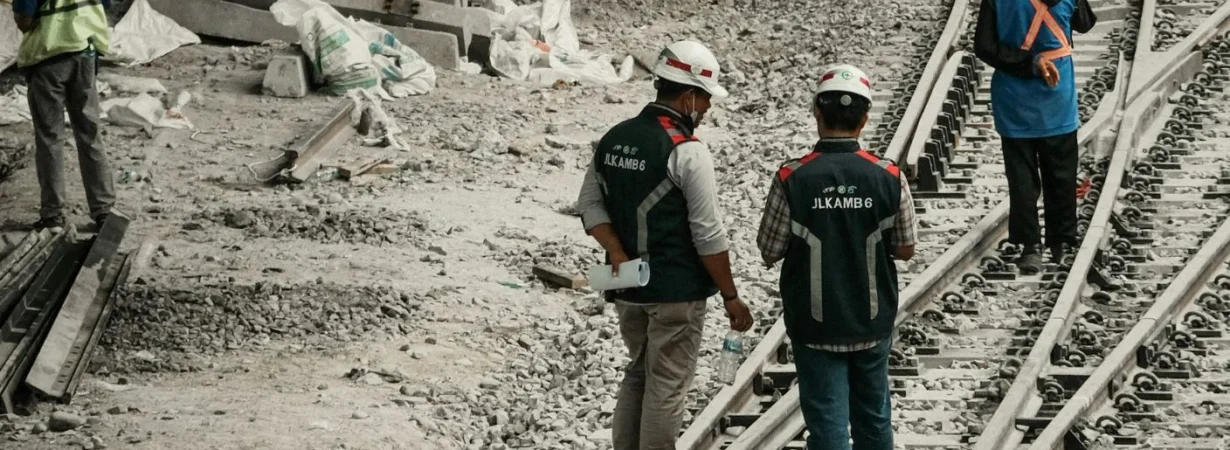
One of the most significant infrastructural projects carried out recently for the development of Baghdad started from 2026, when Iraq started working on developing two important transportation projects in the form of Baghdad Metro and Baghdad International Airport (BIAP).
For many years, Baghdad faced serious problems, including traffic congestion, poor infrastructure, and a lack of public transportation options. The upcoming development of the city will help to solve these problems while improving its status as a transport hub.
Both projects represent significant investments that can significantly change the movement of passengers and cargo in the city in the next few years.
New Design for the Baghdad Metro Project
Having previously tried to make different designs but failing to implement any of them into action, the Iraqi government is launching a new design of the Baghdad Metro that would be more cost-efficient and quicker to build.
In contrast to the previous idea that involved building an underground railway line only, the new design includes surface, elevated, and underground railways, thus becoming cheaper to implement and allowing the network to cover more territory.
The future Baghdad metro will have seven lines with a total length of about 148 kilometres and more than 60 stations covering residential, commercial, and governmental zones of Baghdad.
An essential part of the project is the Airport Line that would connect central Baghdad to Baghdad International Airport. It is expected to save time and decrease the load on roads significantly when built.
It is estimated that the future Baghdad metro will become a convenient and safe means of transportation for millions of passengers per year.
Modernization of Baghdad International Airport
Along with the above-mentioned Baghdad Metro project, Iraq launches another project related to Baghdad International Airport (BIAP).
The development of the new airport will cost between $400-600 million in an attempt to change Iraq’s main international gateway airport into one that matches current global aviation standards.
Currently, the proposed development project will cover the reconstruction of passenger terminals, runway upgrades, cargo facilities, airport operations, and air traffic infrastructures.
The capacity for passenger handling will go up to about nine million annual travellers in the first phase of the project, with plans for expansion to 15 million passengers per year in later phases.
Such upgrades are expected to offer improved passenger service while meeting the needs of Iraqi aviation industries in terms of business travel, tourism, and international trade.
Public-Private Partnership in Airport Investments
One of the features in the process of developing Iraq’s airports is in how the programme is financed.
Iraq is not going to finance the project from its budget but rather use a public-private partnership that will allow the private sector to participate in the process of airport management and operation.
The project has been funded by the International Finance Corporation (IFC), which is an organization under the World Bank Group that is assisting in making Iraq’s first-ever PPP airport project.
If the project is successful, it will be a good example for other similar infrastructural projects in the future.
Economic and Urban Impact
These projects go much further than just improving the infrastructure.
An improved transport system can help decrease traffic jams, reduce travel time, help improve air quality, and enhance productivity in Baghdad. Improved access to the airport will help Iraq develop its position as a regional hub.
Construction works will create many new jobs both directly and indirectly, while better connectivity can lead to investments in real estate, hospitality, retail, and commercial areas. For businesses, improved passenger and cargo flows will help cut costs and improve efficiency.
Discover More Insights
Explore Cairo inflation middle class impact?
Discover how rising prices are affecting savings and daily life.
Check Algeria power plant deadline extension?
Explore updates on the 1.2GW energy project timeline.
Discover Turkey new electricity tariff changes?
Check how updated pricing will impact households and businesses.
Explore Qatar initiative boosting Syria power?
Discover efforts aimed at strengthening Syria’s electricity generation.
Check Beirut balcony lighting energy tips?
Explore efficient lighting ideas for Ramadan and beyond.