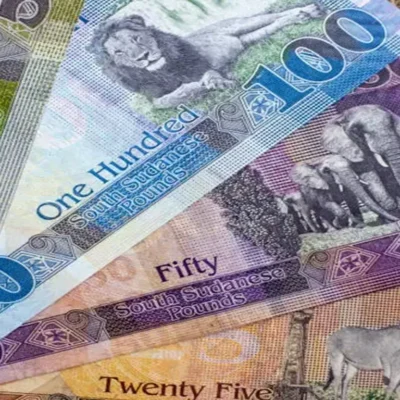

Sudan Central Bank Cracks Down on Forex Violations: What the New Penalties Mean for Commercial Banks
-
Dhivyanshu
- . July 14, 2026
- . Update: July 14, 2026 5:54 pm
Sudan’s economy is sort of navigating unprecedented pressures, mostly tied to the ongoing conflict and those fast, uneven currency swings. Sudan Central Bank forex violations, The Sudan Central Bank has then launched a severe crackdown on forex breaches, really trying to bring things back in line. On July 12 2026, the financial regulator said it would impose strict penalties aimed at some commercial banks as well as their employees. The idea is that if officials go straight at illicit behavior in the foreign exchange market, they can at least steady the volatile Sudanese pound. Here is everything you need to know about these new penalties and the way they could ripple through Sudan’s financial sector.
Unpacking the 2026 Crackdown on Forex Violations
Why Did the Sudan Central Bank Take Action?
Lately, the local economy has faced a lot of strain because the Sudanese pound kept falling, and foreign currency revenues dropped sharply too. The Central Bank of Sudan reportedly started new inspections to check how financial institutions actually handle currency injections. During these reviews, auditors found lots of issues—breaches of banking rules and also the circulars that regulate the foreign exchange market.
To meet its legal mandate and block actions that push the exchange rate in artificial ways, the Sudan Central Bank felt it had no choice but to step in. The big plan is to make sure legitimate import requests are funded fairly, without any kind of market manipulation creeping in.
What Are the New Penalties for Commercial Banks?
While the regulator has chosen to keep the names of the penalized commercial banks confidential for now, the disciplinary measures are pretty severe. According to reports from the Sudan Tribune, the official penalties for these forex breaches include
- Suspending key bankers from handling export and import dealings, right away.
- Terminating the employment agreements of personnel directly tied to illicit trades, yes.
- Sending several individuals for official legal investigation.
Impact on the Foreign Exchange Market and Importers
Enforcing Strict Import Rules
Beyond punishing forex violations, the Sudan Central Bank recently put out new directives that sort of unify the exchange rate for import financing. In practical terms, if commercial banks want to lean on their own foreign reserves to serve clients, they now have to coordinate ahead of time with the central bank. This regulatory shift is basically what removes the messy multiple exchange rates that have been troubling the foreign exchange market for a while, and it also sets up a system that is more just and highly transparent for local businesses.
Stabilizing the Sudanese Pound
The ongoing inflow of foreign currency from the Sudan Central Bank is already showing some early, cautious signs of progress. According to monitoring reported by global bodies like the International Monetary Fund (IMF), fulfilling importers’ foreign currency needs through official channels is meant to erode the black market. The United Nations Development Programme (UNDP) has also said that economic stabilization matters a lot, in order to avoid very harsh poverty inside the war-affected country. And then there are independent voices like Radio Dabanga, which point out that stopping underhand dealings by commercial banks is an essential measure for guarding the purchasing power of the Sudanese pound.
The recent enforcement actions around forex violations send a direct and no-nonsense note to every commercial bank working within Sudan. The Sudan Central Bank is fully set on using its supervisory authority to straighten out the foreign exchange market. Even if the economic path ahead stays difficult, demanding strict adherence is still a key step toward steadying the Sudanese pound and bringing back public trust in Sudan’s financial institutions.
FAQs
Q1: Why is the Sudan Central Bank penalizing commercial banks?
The regulator, on their recent routine inspections, discovered some severe forex violations, and honestly, it was pretty clear that something needed fixing. So penalizing these commercial banks is a necessary step to stabilize the foreign exchange market and also protect the local economy.
Q2: What specific penalties were issued for these forex violations?
A: The punitive measures were multiple, including ending staff contracts, suspending bankers from import and export operations, and then referring individuals for formal investigations.
Q3: Will these actions help the Sudanese pound?
A: Yes. By cracking down on illicit trading and overseeing import financing in a transparent way, the Sudan Central Bank is hoping to slow down the rapid depreciation of the Sudanese pound and keep things from getting worse.
Explore More Must-Reads
Explore current vs savings account differences?
Discover how choosing between current and savings accounts can impact your daily banking and long-term financial planning.
Explore Cairo living costs 2025–2026 trends?
Check how rising expenses and inflation are shaping everyday life and budgeting in Cairo for residents.
Explore Amman jobs and living reality?
Discover real salaries, job opportunities, and actual living costs in Amman before making a move.
Explore best countries for Arabs 2026?
Check top destinations, visa options, and opportunities for Arabs planning to relocate in 2026.
Explore Morocco gig economy earnings and taxes?
Discover platforms, income potential, and tax rules shaping Morocco’s growing gig economy.