

The $15.2 Billion Windfall: Why Libya Must Listen to the IMF and Save Its Oil Revenues
-
Dhivyanshu
- . August 15, 2026
- . Update: August 15, 2026 9:14 pm
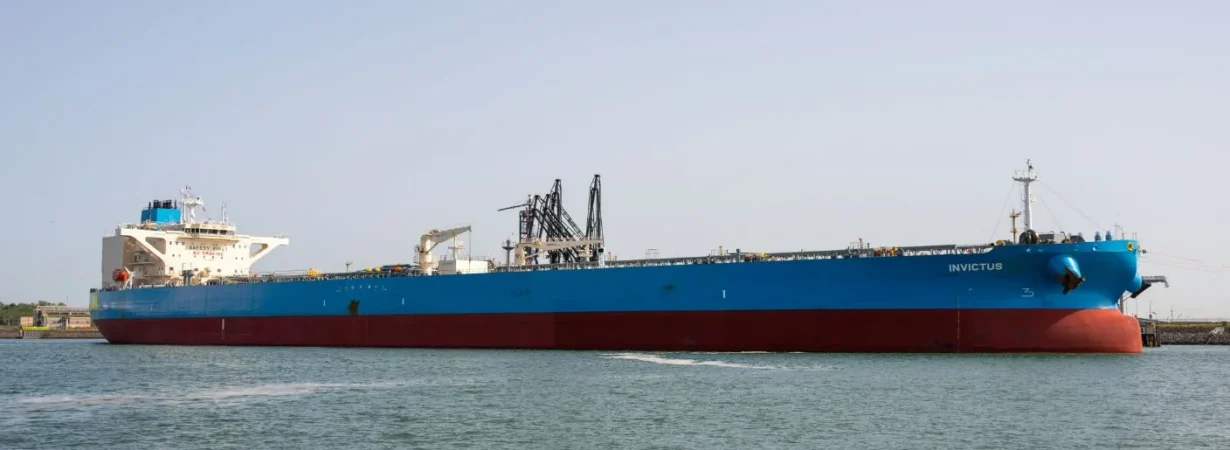
When a country located on Africas biggest proven crude reserves rolls out a huge, multi-billion-dollar profit announcement midway through the year, there’s often a kind of celebration that follows. In the first half of 2026, the Libya oil revenue windfall landed at a staggering $15.23 billion. But honestly, celebration is the last thing a lot of international finance professionals are pushing for. Much of it is tied to soaring global oil prices, so yes, it’s impressive in the short run, yet it is also hiding deeper structural weaknesses inside the Libyan economy 2026. If the administration disregards the new IMF economic warning, Libya really should listen, because that current financial blessing could soon turn into a Libya fiscal crisis that is difficult to fix.
Decoding the Libya Oil Revenue Windfall
Based on the latest figures, Libya pulled in more than $15.2 billion from oil exports from January through June 2026. That number exceeded the government’s first targets by almost 9 percent. At first glance, it feels like a strong win for the energy sector.
Still, when you look beneath the surface, the situation appears more shaky. The state-run National Oil Corporation (NOC) did not fully meet its crude production goals, extracting 246 million barrels, rather than the expected 252 million. And this jump in income wasn’t built on expanding capacity or solid internal progress; it came mainly from supportive international oil prices, which were in turn boosted by disturbances to global supply. Depending on uncertain outside conditions instead of durable, homegrown industrial momentum is a risky approach, and it can backfire fast.
The IMF Economic Warning Libya Cannot Ignore
In its recent Article IV consultation, the International Monetary Fund basically sent a stark, unambiguous message: do not spend the windfall.
The IMF stressed that tapping temporary oil revenues to cover long-term state obligations will sharply intensify the Libya fiscal crisis if global commodity prices later settle back. Meanwhile, the country’s public spending is already at a breaking point, because there are two big money drains
- Public Wages: About 30% of the national GDP being absorbed.
- Energy Subsidies: Nearly 20% of GDP, and this is one of the top subsidy burdens worldwide.
Steering Clear of the Libya Fiscal Crisis
If the authorities channel the Libya oil revenue windfall into quick public spending instead of sovereign savings and infrastructure, they’ll end up caging the country in a debt cycle. The IMF is basically saying these funds ought to be kept aside to rebuild national buffers and give that financial breathing room that’s needed to push through reforms that have been overdue for a long time.
Navigating the Complexities of the Libyan Economy 2026
Meanwhile, the macroeconomic landscape is still very unstable. Even with strong export revenues reported by Business Insider Africa, ordinary people are feeling the pinch. Double-digit inflation keeps steadily trimming household purchasing power, like it’s nothing.
A Delicate Balance for the Central Bank of Libya
At the core of this financial mess sits the Central Bank of Libya (CBL). The institution recently helped arrange a rare unified spending agreement between the country’s competing eastern and western authorities. It’s a notable move toward institutional integration, but the CBL has huge difficulties coming right up. Two recent currency devaluations didn’t fully erase the obvious gap between the official rate and the parallel-market exchange rate. As Reuters often points out about emerging energy markets, monetary policy by itself can’t really repair what is, at its roots, a budget that’s badly out of balance.
The staggering $15.2 billion piled up in early 2026 is like a massive opportunity, but yeah, it is not some cure-all either. If the goal is to stabilize the Libyan economy 2026, officials really have to take the IMF economic warning for Libya seriously, not just nod along. By giving the Central Bank of Libya more authority to enforce tighter fiscal discipline, and by setting aside saving, the Libya oil revenue windfall, the country might finally step back from the edge of a nasty Libya fiscal crisis, and then actually construct something sustainable.
FAQs
Q1: How large is the recent Libya oil revenue windfall?
A: In the first six months of 2026, Libya brought in $15.23 billion from crude exports, which topped its government target by almost 9% even though production volume eased a little.
Q2: What is the core IMF economic warning Libya received?
A: After the Article IV consultation, the IMF cautioned Libya not to spend short-term oil profits on long-term commitments, like public sector wages and energy subsidies. Instead, it said the state should park the cash and wait.
Q3: Why is the Libya fiscal crisis still a threat despite high revenues?
A: Since the current Libyan economy 2026 leans hard on shaky global oil prices. If those prices fall, government spending won’t be covered, and debt can climb quickly.
Q4: What is the role of the National Oil Corporation?
A: The National Oil Corporation oversees crude extraction and exports, and it has recently aimed at keeping production steady around 1.5 million barrels per day, so it can maximize current market conditions.
Discover More Insights
Explore Cairo inflation middle class impact?
Discover how rising prices are affecting savings and daily life.
Check Algeria power plant deadline extension?
Explore updates on the 1.2GW energy project timeline.
Discover Turkey new electricity tariff changes?
Check how updated pricing will impact households and businesses.
Explore Qatar initiative boosting Syria power?
Discover efforts aimed at strengthening Syria’s electricity generation.
Check Beirut balcony lighting energy tips?
Explore efficient lighting ideas for Ramadan and beyond.