
Human Rights Watch Reports Executions in Eastern Libya After Secret Trials: What We Know
-
The Arab Post
- . October 14, 2026
- . Update: October 14, 2026 3:49 pm
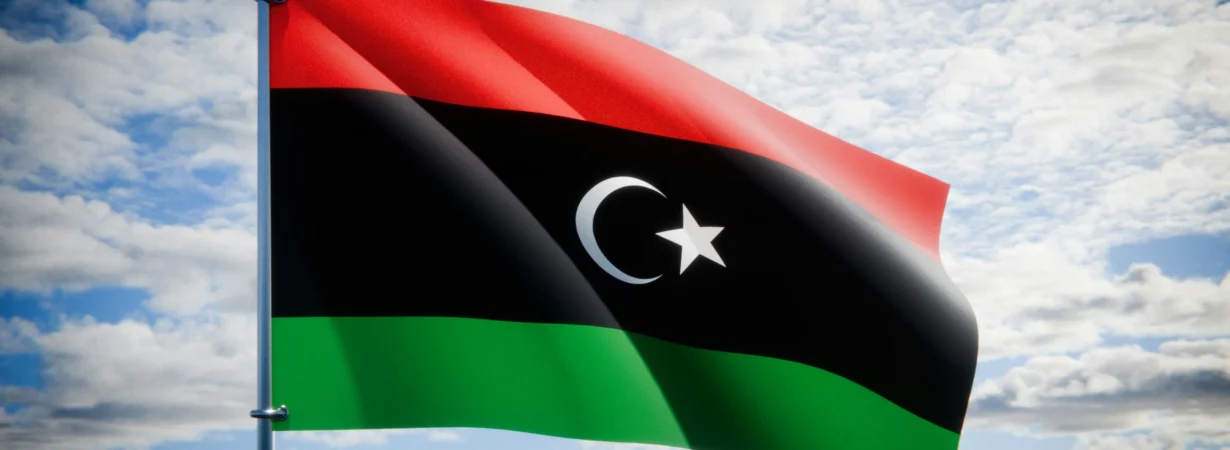
Human rights abuses in Libya, Human Rights Watch reports executions, which were quietly resumed in Libya in a shocking escalation of human rights violations in the country’s eastern territories. Eastern Libya secret trials, Authorities pro-Libyan Armed Forces (LAAF) allegedly conducted Eastern Libya secret trials, leading to the deaths of at least 30 detainees, according to urgent briefings released this week.
This sudden change back to capital punishment comes after a moratorium that was in place for 15 years almost across the nation. It represents a sad new chapter in the country’s continuing crisis of justice, effectively taking away detainees’ basic legal rights.
The Reality of Eastern Libya Secret Trials
The people sentenced to death were apparently tried in military courts, which are an affront to international fair trial principles in relation to civilians. Human Rights Watch (HRW) says these secret hearings lack proper transparency, legal representation and appeal.
The lack of any accountability in the judiciary is a huge worry for international supportive groups. Rights groups say the use of military tribunals to try civilians is fundamentally unfair and is a ploy to persecute civilians instead of deliver justice.
50 Lives Remain at Imminent Risk
This crisis is far from being over. Amnesty International recently said that there are at least 50 more men on death row under similar circumstances facing an imminent threat of execution.
HRW researchers have publicly declared that the Libyan Arab Armed Forces burst the nation’s execution moratorium in a few weeks. Thus, all 50 of these detainees are now in limbo for immediate survival, depending on the extent to which international diplomatic pressure can be applied to the LAAF – and its foreign supporters – to stop the killings.
The United Nations Human Rights Office and the International Criminal Court (ICC) have previously voiced concern about extrajudicial killing and summary execution in Libya as being serious international crimes. However, the absence of a single national government which would maintain the rule of the law allows official authorities in the East to run with virtually impunity.
Why This Matters for Libya’s Future – Eastern Libya secret trials
The wave of executions from an analytical perspective is not just a local legal shortcoming, but it is a sign of the institutional divide in Libya. Secret military tribunals are not the basis for stable democracy in a post conflict situation.
The Libyan Arab Armed Forces, however, are involved in undermining the existing peace process and international stabilisation efforts by evading the civilian justice system. The perpetuation of irreversible and lethal sanctions without public scrutiny is a sure path towards civil instability in a state that has normalised them.
Governments should immediately suspend all pending executions to help build trust internationally. Legal experts say all civilians who are inappropriately detained should be sent to proper civilian courts where they can get clear trials. For now these secret trials in the East will be a shining example of the unchecked human rights violations in Libya that are yet to be resolved; and national reconciliation is sadly still far off. To check on ongoing investigations into documented abuses in the area by Middle East Eye click here for more.
Discover more Insights
Explore Iran War Lessons Globally?
Explore how the 2026 Iran war reshapes global power and strategy.
Discover Iran Delay Strategy Tactics?
Discover how Iran uses delay, repression, and proxy influence.
Check Trump Iran Strategy Importance?
Check why Trump’s Iran strategy depends on Gulf allies.
Explore Iran Military Warning Signals?
Explore rising warnings from Iran alarming global powers.
Discover Sudan Iran Axis Threat?
Discover how the Sudan-Iran axis raises serious regional concerns.