

Iraqi-French Archaeological Mission Discovers Three Ancient Sites in Dhi Qar—Why It Matters for Iraq’s Future
-
The Arab Post
- . October 13, 2026
- . Update: October 13, 2026 9:27 pm
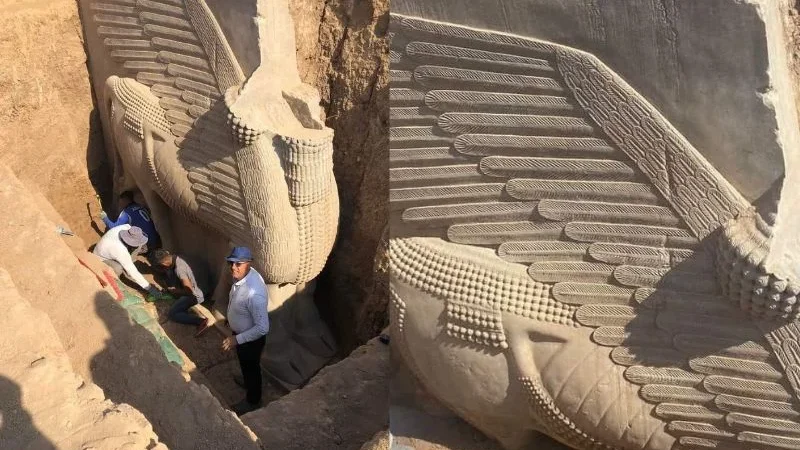
The Archaeological and Heritage Inspection Department of Dhi Qar on Monday revealed a huge find in the southern Al-Sulaibiyat region. Ancient Dhi Qar sites, A joint Iraqi-French archaeological mission has been able to successfully locate three archaeological mounds, which have not been documented, that lie next to an ancient riverbed of the Euphrates.
More impressively, excavation crews discovered a large structural plan that is thought to be an ancient ship anchor and/or river harbor.
The recovered artifacts indicate that human settlement continued from the sixth millennium B.C. to the Old Babylonian and Neo-Babylonian periods, The Jordan News Agency (Petra) reported. However, the significance of these archaeological sites of the Dhi Qar goes beyond academia.
Rewriting Mesopotamian Economic History
It’s not just any dig; it’s a paradigm shift. An ancient harbor, found along the bed of an ancient Euphrates river, offers new clues to the Sumerian’s ability to conduct complex maritime trade.
For many years, the history of Mesopotamia was dominated by warfare, plunder and turmoil. Today, the mission’s success is a sign of a great national renaissance, between Iraq and France.
The Iraqi government are actively proving it is a safe and capable host for top international scientific operations. According to Iraqi Ministry of Culture, Tourism and Antiquities, there are currently over 50 foreign archaeological missions present in Iraq. Four teams from France are in Dhi Qar this October to start excavating, a strong sign of renewed trust throughout the world.
Protecting the Al-Sulaibiyat Region – ancient Dhi Qar sites
Now, protection and preservation is the immediate challenge. The authorities must make it public where the said archaeological sites (Dhi Qar) are found in the Al-Sulaibiyat region to ensure they are protected from harm by extreme climate changes and from being looted by any illegal parties.
Meanwhile, Iraq’s cultural heritage is under threat due to the lack of water in the modern world, in particular the closest UNESCO World Heritage site, the Ahwars and the ancient city site of Ur.
This is why it is crucial to have international cooperation. The technical skills acquired in this discovery, sometimes with the help of institutions such as the French Institute of the Near East (Ifpo), now need to be transferred to the long-term conservation of the site.
Moreover, these locations are huge prospects for reconstruction of Iraq’s tourism industry. The intact recovery of these objects from the Ur III and Kassite Dynasty provides regional museums with valuable new collections to draw in both tourists and researchers from around the world.
In sum, the mission carried out by Iraq and French archaeologists is a monumental success of Iraq’s national identity. This is the earliest commercial network of civilizations, and uncovering a lost harbor along the old Euphrates riverbed is a reminder of ancient times. Now, Baghdad has to utilise these extraordinary findings to create an economically sustainable approach for its future that is based on heritage.
Explore More Must-Reads
Explore current vs savings account differences?
Discover how choosing between current and savings accounts can impact your daily banking and long-term financial planning.
Explore Cairo living costs 2025–2026 trends?
Check how rising expenses and inflation are shaping everyday life and budgeting in Cairo for residents.
Explore Amman jobs and living reality?
Discover real salaries, job opportunities, and actual living costs in Amman before making a move.
Explore best countries for Arabs 2026?
Check top destinations, visa options, and opportunities for Arabs planning to relocate in 2026.
Explore Morocco gig economy earnings and taxes?
Discover platforms, income potential, and tax rules shaping Morocco’s growing gig economy.