
Green March Day: 5 Important Facts About Morocco’s November 6 Holiday
-
The Arab Post
- . November 5, 2026
- . Update: November 5, 2026 7:59 pm
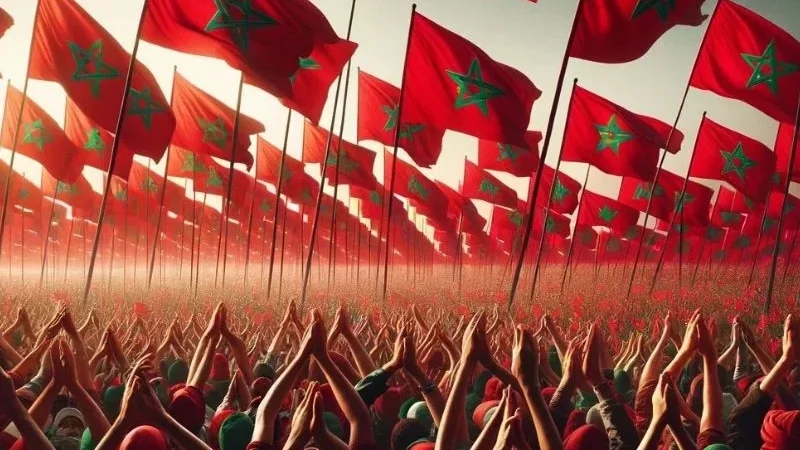
One of the most celebrated national holidays in Morocco is celebrated on Friday November 6th, 2026. Green March Day Morocco, The annual event is the celebration of the courage and unity of hundreds of thousands of citizens who fought valiantly and united more than 50 years ago.
The country is also marking the event’s historical political and social impact, as official ceremonies are held all over the country, including in Rabat. Delving into the fundamentals of this milestone in history underscores the importance of the Moroccan holiday of November 6th in the country’s identity.
Green March Day Morocco
1. The Origin of the 1975 Peaceful Demonstration
This history of the Green March began with a pressing royal project by the late King Hassan II in 1975. Some 350,000 unarmed Moroccan volunteers streamed on the southern desert border on November 6, 1975.
The peaceful civilians with the Quran, national flags and olive branches managed to enter the territory and ask for Morocco’s southern provinces to be returned from the Spaniards.
2. Why Is It Called the “Green” March?
The unique color used in the celebrations of the Green March Day Morocco symbolizes special religious and symbolic significance. Green was the color selected for this event as being representative of Islam, peace, prosperity and hope.
Instead of sending troops, the State chose to use a non-violent green-themed protest to make a peaceful claim to the ancestral lands.
3. Immediate Diplomatic Success
The strategic mobilization was absolutely successful politically abroad. Spain had to accede to direct tripartite negotiations, after being confronted by hundreds of thousands of determined citizens at the border.
The result of this diplomatic success was the Madrid Accords, which allowed Morocco to reclaim the territory peacefully and thus put an end to decades of foreign colonial rule.
4. National Status as a Public Holiday
Green March Day is recognized a national public holiday every year in Morocco. The government offices, banks, schools and universities are closed to let citizens participate in the nation-wide festivities.
Cultural exhibitions are held on public squares, patriotic music is played and educational seminars are organized in which younger generations are educated about the sacrifices made by their ancestors.
5. Ongoing Relevance in Moroccan National Celebrations
Nowadays, the holiday is far from a historical review. November 6 is an important day in the long list of Moroccan national festivals, as well as Throne Day and Independence Day, that help to build national unity.
The Green March reaches inspiration in national development in the modern developments of infrastructure in the southern provinces that make them economic hot spots. In conclusion, Green March Day stands as a testament to Moroccans’ resilience, sovereignty, and communal unity, serving as a reminder of their enduring strength and determination in 2026 as the nation commemorates this solemn occasion.
Explore More Must-Reads
Explore current vs savings account differences?
Discover how choosing between current and savings accounts can impact your daily banking and long-term financial planning.
Explore Cairo living costs 2025–2026 trends?
Check how rising expenses and inflation are shaping everyday life and budgeting in Cairo for residents.
Explore Amman jobs and living reality?
Discover real salaries, job opportunities, and actual living costs in Amman before making a move.
Explore best countries for Arabs 2026?
Check top destinations, visa options, and opportunities for Arabs planning to relocate in 2026.
Explore Morocco gig economy earnings and taxes?
Discover platforms, income potential, and tax rules shaping Morocco’s growing gig economy.