
Al-Ahsa Oasis Sustainable Tourism: How an Ancient Palm Paradise Can Lead the Way
-
The Arab Post
- . November 14, 2026
- . Update: November 14, 2026 2:03 pm
Long before anyone talked about carbon footprints, the people of eastern Arabia had worked out how to live well with scarce water. That inheritance is why Al-Ahsa Oasis sustainable tourism is more than a slogan. It is a workable blueprint, built on centuries of local practice and waiting to be used.
A Green Island in the Desert
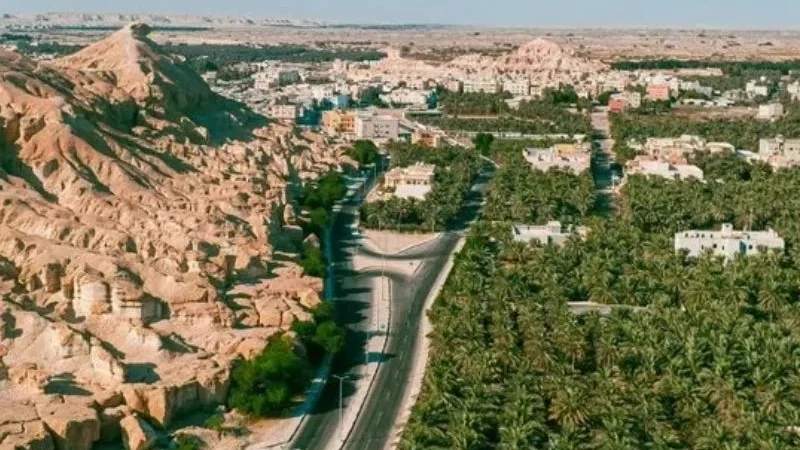
Al-Ahsa sits in Saudi Arabia’s Eastern Province, close to the edge of the Empty Quarter. Around it lies sand and rock. Inside it are millions of date palms, fed by natural springs and a network of canals that farmers have maintained for generations. It is often described as one of the largest self-contained palm oases in the world.
In 2018, UNESCO recognised this living landscape. The Al-Ahsa UNESCO World Heritage Site covers much more than farmland. It includes historic towns, forts, mosques, springs, and archaeological remains that show human settlement stretching back thousands of years. The listing recognised the oasis as a working cultural landscape, not a museum piece, where people still farm, trade, and gather as their ancestors did.
Why the Oasis Fits Sustainable Travel – Al-Ahsa Oasis sustainable tourism
Sustainable tourism asks a simple question: can visitors enjoy a place without wearing it down? Al-Ahsa already has some of the answers built in.
The traditional water system is a good example. Springs feed channels that move water by gravity, and farmers share it according to long-standing arrangements. Visitors who walk these paths see conservation in action rather than reading about it on a sign. Palm groves also cool the surrounding air and shelter the smaller crops grown beneath them, which makes the oasis a natural classroom for how people in arid regions have managed land.
This is where oasis tourism differs from the resort model. It does not require huge new construction. The attraction is the place as it already exists, so the main job is protecting it.
Heritage Worth Walking Through
The oasis is rich in sites that reward slow travel. Jawatha Mosque is among the oldest mosques in the Kingdom. Qaisariyah Souq in Hofuf still sells textiles, spices, and traditional crafts under its old covered lanes. Ibrahim Palace and the surrounding fortifications show the architecture of earlier eras. Jabal Qarah, with its sandstone caves that stay cool through the summer, offers another side of the landscape.
For anyone interested in Saudi Arabia’s cultural heritage, Al-Ahsa gives a broad picture in one region: Islamic history, trade routes, vernacular building, agriculture, and craft traditions. Cultural tourism works best when visitors meet the people who keep these traditions alive, and Al-Ahsa has plenty of them, from date growers to weavers and coppersmiths.
Dates, Crafts, and Community Income
No visit is complete without the dates. Al-Ahsa’s harvest is a source of regional pride, and the seasonal rhythm of the groves gives visitors a reason to come at different times of year. Farm stays, harvest experiences, and guided grove walks let travellers see where their food comes from while spending money directly in local households.
That point matters. Sustainable tourism fails when profits leave the community and only the crowds remain. Small guesthouses run by local families, craft workshops, and farm-based experiences keep income close to the people who protect the oasis. Training local guides and hosts adds another layer, creating skilled jobs that younger residents can take without leaving for the cities.
The Role of Heritage Conservation
Heritage conservation is the foundation of everything above. If the canals silt up, the springs weaken, or historic buildings fall into disrepair, the oasis loses the very thing visitors come to see.
Several practical steps follow from this:
- Water first. Any growth in visitor numbers has to be matched against what the springs and groundwater can bear.
- Visitor limits at fragile sites. Caves, old mosques, and archaeological areas need caps and trained stewards.
- Restoration with local skills. Traditional mud-brick, palm-wood, and stone techniques should be preserved and used in repairs, not replaced with generic materials.
- Support for farmers. If palm cultivation stops being worthwhile, the landscape itself is at risk, so tourism income should help sustain the groves.
These measures are not obstacles to tourism. They are what keeps tourism worth having.
Saudi Arabia’s Wider Tourism Ambitions
Al-Ahsa’s story connects to a national shift. As Saudi Arabia broadens its economy and welcomes more visitors, sustainable tourism in Saudi Arabia has become a stated priority, and heritage sites are moving to the centre of that plan. Al-Ahsa received the title of Arab Tourism Capital for 2019, which put the region in front of a wider audience across the Arab world.
The opportunity now is to turn that attention into a lasting model. Large, fast-built developments can bring visitors quickly, but an oasis rewards a different approach: measured growth, local ownership, and respect for limits.
A Model for the Region
Ecotourism in the Middle East is still taking shape, and many destinations are looking for examples that work. Al-Ahsa can offer one. It combines natural features, living agriculture, historic architecture, and a population with deep roots in the land. Few places bring all of these together.
If it succeeds, other oases and heritage towns across the Gulf and the wider Arab world could follow the same path. They face similar pressures, including limited water, rising visitor interest, and the need to create opportunities without losing identity.
What Visitors Can Do
Travellers also carry responsibility. A few habits make a real difference:
- Stay in locally owned accommodation where possible.
- Buy dates, crafts, and food directly from producers.
- Hire local guides who can explain the history and customs properly.
- Keep to marked paths in the groves and respect private farmland.
- Use water carefully and avoid single-use plastics.
These choices are small on their own, but across thousands of visitors they shape how the oasis develops.
Looking Ahead
Al-Ahsa does not need to be reinvented for tourism. Its springs, groves, markets, and old quarters already tell a story that visitors want to hear. The challenge is to protect that story while sharing it. If planners, farmers, craftspeople, and travellers all keep that goal in view, this ancient oasis can show the region what responsible travel looks like, and keep the palms green for the generations still to come.
Top Picks For You
Discover top Middle East tourist sights?
Explore must-visit landmarks across the region for travelers.
Explore essential apps for Arab travel?
Check must-have apps to simplify your trip planning.
Check common travel mistakes Arab countries?
Discover key errors tourists should avoid during visits.
Explore top Arab festivals for tourists?
Discover unique cultural events across non-GCC destinations.
Check tourist safety tips Arab countries?
Explore essential precautions for safe and smooth travel.