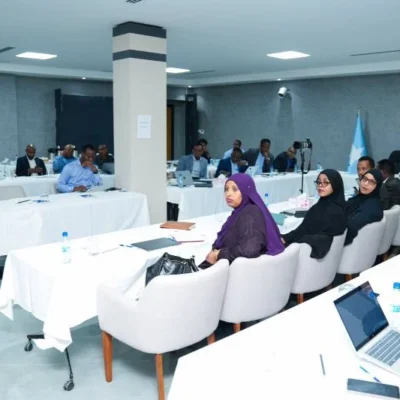

Somali Cabinet Approves Closed-List Voting and 10% Party Threshold in Historic Electoral Reform
-
 The Arab Post
- . November 26, 2026
- . Update: November 26, 2026 3:56 pm

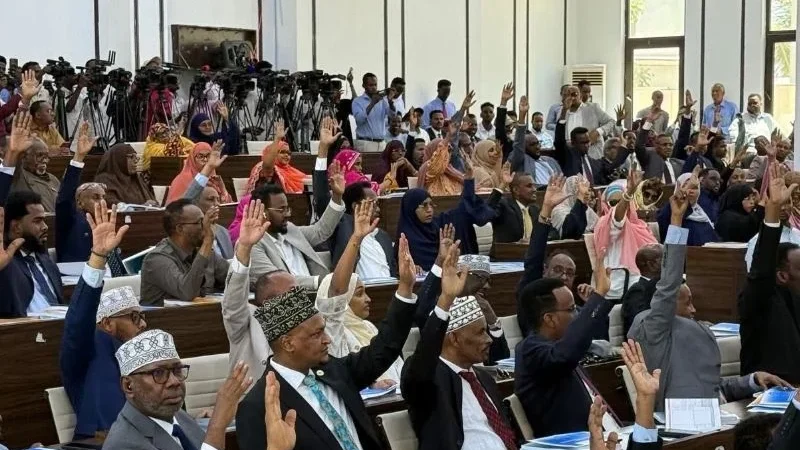
The Somali Cabinet recently approved sweeping changes to Somalia’s electoral law, which will significantly change the country’s political landscape and will be a major step towards achieving universal suffrage in Somalia. Somalia electoral reforms, The Council of Ministers endorsed 23 articles of the National Electoral Law and eight articles of the Law on Political Organizations and Parties in November of 2026, the latter of which is chaired by Prime Minister Hamza Abdi Barre. The most significant changes are the closed-list voting procedure for parliamentary elections and the requirement for a 10% ‘party threshold’ to establish political party recognition in the country. The Bill will apply to the coming direct elections in Somalia which will shift the nation away from its clan-based, indirect voting system to a modern election system.
Key Changes to the Electoral Framework – Somalia electoral reforms
The revised Federal Constitution has been revised to address the need to update the country’s electoral system in preparation for the upcoming national elections in 2027.
Adopting the Closed-List Voting System
The new closed-list voting will include a party’s list of candidates, which will be fixed and determined in advance of the election. Citizens will no longer vote for politicians but directly for the political party they like. The seats in Parliament will then be divided in line with the party’s share of the votes cast, in that order in which they are listed on the party’s approved list. The aim of this system is to build the party unity and redirect the political agenda from personal and clan politics to unified national party platforms.
Enforcing a 10% Party Threshold
To avoid the political field being excessively polarized, the Somali Cabinet has also adopted a strict new criterion to define political credibility. In the future, a political party at the Federal level will have to obtain a minimum of 10% of the total votes cast in a Federal election as a condition of being recognised as a National Party. The 10% threshold is meant to streamline the process making it easier for parties to form a government only if they have strong public support across the country.
Implications for Somalia Direct Elections
The occasions for these legislative changes are important milestones in the road towards Somalia direct elections. Citizens will directly elect local district councils, state assemblies and both Houses of Federal Parliament as per the amendments. The elected entities in turn will elect other senior officials, such as district commissioners and the President of the Federal Republic.
But, the road to implementation is politically complicated. The reforms have been touted by the federal government as a democratic step, but there have been previous objections to unilateral modifications to the electoral process by some Federal Member States, notably Puntland and Jubaland. It will be important to reach a wide agreement on all regional administrations as the bill progresses to the Federal Parliament for final ratification.
The use of the closed-list electoral system and setting a strict party threshold is an ambitious move by the government to both centralize and formalize the country’s democratic processes. The federal government expects that, through these measures, it will achieve greater stability and a new form of “ideological government” within the country, by empowering political parties and lifting the standard for national recognition. The success of these far-reaching changes now depends on parliamentary backing and the fine balancing act of winning political consensus on a national level.
FAQs
What is a closed-list voting system?
A closed-list voting system allows voters to vote for a particular party rather than an individual candidate. After the final voting process, the party allocates the total number of parliamentary seats according to the rankings of candidates’ lists submitted before the elections.
Why did the Somali Cabinet introduce a 10% party threshold?
This threshold implies that in order for a political party to become a recognized entity in the country, it has to receive at least 10% of federal votes. The goal here is to avoid an explosion of petty clan parties and push for large organizations.
Will citizens directly elect the Somali President under the new laws?
No. The amendments that were passed say that citizens will have the right to elect local assemblies and their parliament representatives. The new parliament will then elect the president from among its members.
Top Picks For You
Discover best tourist attractions in Jordan?
Explore iconic places every visitor should experience.
Explore Petra viewpoints and best spots?
Check where to capture the most stunning Petra views.
Discover desert adventures in Jordan?
Explore thrilling experiences across Jordan’s desert landscapes.
Check top things to do in Amman?
Discover must-visit spots for first-time visitors in the city.
Explore Dead Sea spa day trip?
Check relaxing mineral spa experiences near Amman.