
Algeria Heatwave July 2026: The Complete Guide to the 46°C Weather Alert and Wildfire Risk
-
Dhivyanshu
- . July 11, 2026
- . Update: July 11, 2026 6:22 pm
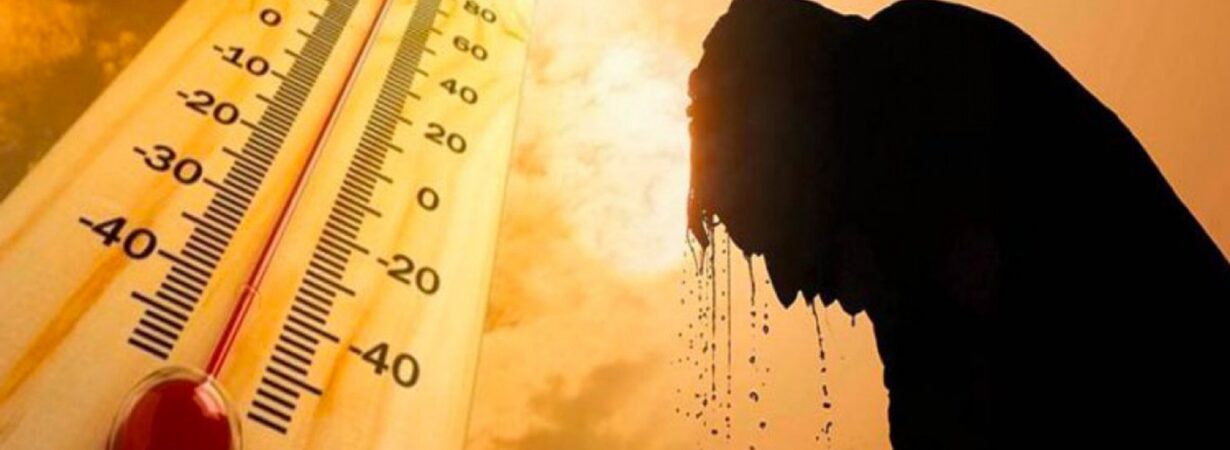
North Africa is kinda getting hit by this severe climate emergency right now, this summer specifically. The Algeria heatwave July 2026 has already sparked nationwide worry, like, temperatures just keep climbing beyond what most people would call normal for the season. Since a 46°C weather alert was officially put out for several of the northern provinces, local authorities are now rolling out very unusual steps, to try and keep everyone safe. After an urgent Civil Protection warning, residents and travelers really should take in what the immediate dangers are, from heat exhaustion that can be life-threatening to a wildfire risk that’s getting worse faster than before in Algeria. So, here’s basically everything you need to know about this ongoing weather crisis, and how you can protect yourself.
Decoding the 46°C Weather Alert
The sheer force of the Algeria heatwave July 2026 is, in many places, shattering recent records. The National Office of Meteorology says an orange-level Special Meteorological Bulletin, (BMS) has been triggered across 17 wilayas, including Guelma, Tlemcen, Sidi Bel Abbès, and Batna.
Specialists say that the 46°C weather alert isn’t just a typical late-day spike. Nighttime temperatures are staying dangerously high too, so there’s very little real cooling relief. That kind of long-lasting extreme heat creates pretty hazardous summer conditions, and it’s already stressing local infrastructure , agriculture, and even the power grids across the region. Some experts connect this extreme pattern to wider Mediterranean climate shifts, and they underline how much resilient city planning is needed, now more than ever.
Navigating the Civil Protection Warning
So, with those scorching temperatures hitting Algeria , the Algerian General Directorate of Civil Protection has, pretty much, switched on national emergency protocols. The newest warning from Civil Protection underlines that this heatwave is a critical and immediate threat for people who are most at risk. In particular, the elderly, infants, and also people dealing with chronic illnesses.
Essential Safety Guidelines
Meanwhile, the health guidance, supported by the World Health Organization (WHO), says residents should follow a few basic but serious precautions:
- Try to Avoid Sun Exposure: Keep indoors, in places that are well ventilated, during the busiest stretch from 10:00 AM to 4:00 PM.
- Hydrate Constantly: Drink lots of water across the whole day, even if you do not feel thirsty. Otherwise, severe dehydration can creep up faster than you expect.
- Reduce Physical Activity: Don’t do heavy outdoor tasks, sports, or construction work during the heat peak.
- Look After the Vulnerable: Make a habit of checking on elderly neighbors and young children, to catch early signs of heatstroke before it worsens.
Top Picks For You
Discover best tourist attractions in Jordan?
Explore iconic places every visitor should experience.
Explore Petra viewpoints and best spots?
Check where to capture the most stunning Petra views.
Discover desert adventures in Jordan?
Explore thrilling experiences across Jordan’s desert landscapes.
Check top things to do in Amman?
Discover must-visit spots for first-time visitors in the city.
Explore Dead Sea spa day trip?
Check relaxing mineral spa experiences near Amman
The Escalating Wildfire Risk in Algeria
The extreme heat isn’t just some public health hazard; it feels like an environmental powder keg, honestly. The severe Algeria heatwave in July 2026 has pushed the wildfire risk across Algeria into a very dangerous, red-alert situation.
In a 24-hour span, Anadolu Agency said emergency teams fought 119 separate fires, mostly in forests, palm groves, and areas that matter for agriculture. Even though brave crews managed to put out 114 of the blazes, fires around Guelma and in the northern Tlemcen area still needed massive, continuing intervention. The Algerian Ministry of Interior has now used a mix of airlifting water planes and specialized ground teams to carry out a quick “nip in the bud” approach, basically trying to stop the flames before they can wreck bigger stretches of land.
This Algeria heatwave July 2026 is also a sharp reminder of how fast climate pressures are rising across North Africa. With a steady 46°C weather alert and a critical wildfire risk in Algeria, it comes down to public cooperation and plain old watchfulness. If residents follow the most recent Civil Protection guidance and keep checking official updates, they can move through these extreme summer conditions with less danger. Stay inside, drink water, and protect your health during this historic heat emergency.
FAQs
Q1: What regions are most affected by the Algeria heatwave July 2026?
A: The worst effects are being felt in the northern plus interior provinces, and there is a firm 46°C weather alert out, covering places like Sidi Bel Abbès, Saïda, Guelma, and Batna.
Q2: What should I do during a Civil Protection warning?
A: During a Civil Protection warning, you should stay inside in the hottest hours, drink water often, and really avoid lighting any outdoor fires, because the atmosphere is extremely dry.
Q3: Are flights or travel affected by the extreme heat?
A: Even if major airports are working normally, scorching summer weather can sometimes lead to small local delays or road dangers. Before traveling, keep checking nearby updates through the Algérie Presse Service (APS).
Q4: How is the government handling the wildfire risk in Algeria?
A: Officials have brought in aerial water bombers and thousands of firefighters to get on top of the 119 recent blazes quickly, so the flames spread less, and rural communities are better protected.