States Unite: Eight Arab, Muslim Leaders Reject Any Palestinian Displacement
-
 Khalid Al Mansoor
- . December 7, 2025
- . Update: December 7, 2025 6:56 pm

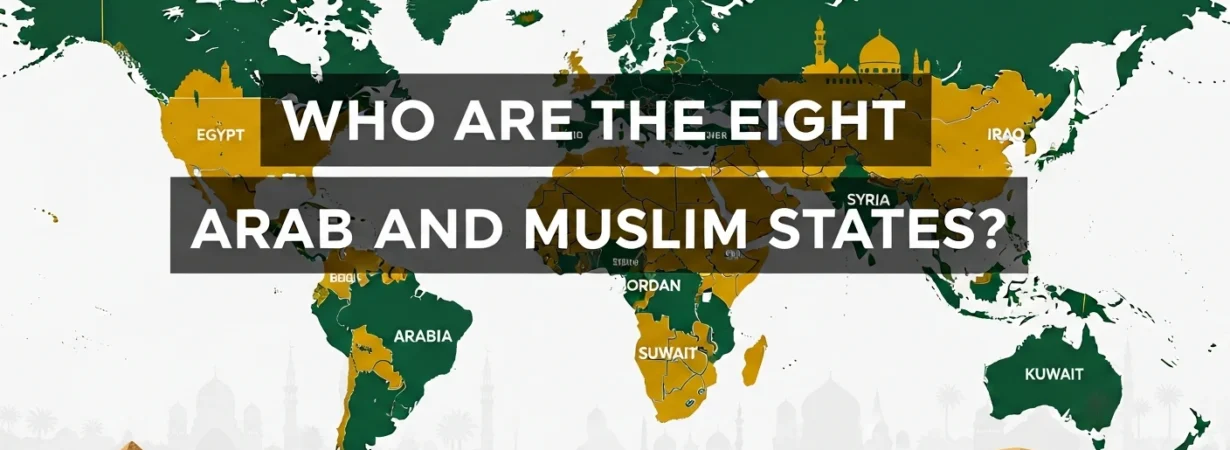
On a warm evening with TV tickers buzzing and phones lighting up, one message rose above the noise: arab states reject displacement. Delivered by eight Arab and Muslim leaders, the phrase felt clear, steady, and urgent, echoing through living rooms and offices alike with renewed weight and relevance. The statement came from Egypt, Saudi Arabia, Qatar, Jordan, United Arab Emirates, Türkiye, Pakistan, and Indonesia. A broad arc across West Asia to Southeast Asia. Different economies, different politics, one shared position. That’s how it reads, and frankly, it tracks.
What Triggered the Joint Statement?
Border queues grew in the heat around Rafah. Diesel fumes, dust in the air, hurried voices near aid trucks. Reports of exit-only corridors sparked alarms across the region. Families are already tired of packing and unpacking their lives. The ministers moved fast. No waiting around.
Core Message: Rejection of Any Forced Displacement of Palestinians
The core line stays simple. No forced movement of Palestinians away from their land. No soft phrasing. No drift in meaning. The statement points to history, repeated uprooting, and the cost paid by ordinary people in crowded clinics and half-dark flats. Enough, they say.
Key Demands Issued by the Eight States
- Two-way access at crossings, not one-direction exits.
- Immediate, predictable humanitarian entry for food, fuel, and medical supplies.
- Civilian protection under international norms, monitored and reported.
- Early recovery and reconstruction tied to accountable local administration.
- A credible path back to political negotiations on recognised parameters.
Short list, but packed. The order signals priorities. That’s how this usually works.
Why This Joint Position Matters for the Region
Neighbouring states look at maps and listen to border guards. A push across a line today becomes a permanent camp tomorrow. Then schools, water lines, clinics, registration papers. Costs rise, tempers fray. Jordan and Egypt feel it first. Gulf capitals calculate long-term stability. Nobody wants a rolling crisis.
International Reactions to the Statement
Responses landed fast. Some capitals nodded quietly, careful on language. A few called for thorough review of ground logistics and monitoring. Humanitarian agencies welcomed clarity since trucks cannot move on shifting rules. Critics argued the stance limits military options. That debate will run. It always does, honestly.
Possible Future Scenarios and Regional Impact
A quick view that editors keep near the desk:
| Scenario | Near-term effect | Regional risk |
| Crossings open both ways | Aid flow normalises, hospitals breathe | Lower spillover, fewer border incidents |
| Exit-only pressure continues | Families move under strain, records messy | Camps expand, funding gaps widen |
| Monitored ceasefire takes hold | Casualties fall, repairs start | Diplomatic jockeying but calmer streets |
Numbers will change, but the drift is clear. Small choices at checkpoints echo across the map.
Protecting Palestinian Rights and Stability
The message Eight Arab, Muslim states reject any displacement of Palestinians travels quickly because it sounds practical, not grand. Keep people in their homes. Keep crossings fair. Keep the aid moving. The region has seen how forced movement hardens into decades.
This joint line does not fix everything, not by a long shot, but it blocks the worst road. And that matters on the ground, where kids need clean water and a classroom with a working fan. Sometimes it’s the small habits that matter.
Frequently Asked Question
A short take before the list. The statement will be judged by what happens at the gate, not by podium lines. Trucks, patient lists, power hours for oxygen machines. That’s the lens.
1) Why did these eight states step out together on this issue now?
Shared borders, shared pressure, and a history that shows displacement never really ends. The timing reflects concern around corridors turning one way, and a practical need to ringfence stability before the winter deepens.
2) What exactly do they want changed at Rafah and other crossings?
Two-way movement with transparent rules, regular customs windows, and predictable slots for medical evacuations. The goal sounds dull, yes, but reliable timetables keep hospitals open and food stocks steady. Buses move when clocks are trusted.
3) How does this position affect humanitarian operations inside Gaza?
Clear access rules reduce delays, which cuts spoilage and keeps cold chains intact for vaccines. Fewer last-minute route changes save fuel and staff. Field teams can plan rosters, not gamble. That’s how people get care on time.
4) What does reconstruction mean in practical, everyday terms?
Repair lists for power lines, schools with safe roofs, clean water that does not taste like rust. Payrolls for local technicians who know each street. It is slow, sometimes boring work, but it keeps families from leaving again. Feels like real work sometimes.
5) Does the stance close the door on future talks or widen it?
By locking out displacement, the states set a floor, not a ceiling. Talks need a stable civilian base to mean anything. If families remain rooted, negotiators argue over maps, not bus routes. That is the quieter path to progress, perhaps.