Bravo Brio Restaurants Files for Bankruptcy Again Amid Rising Costs and Industry Struggles
-
 Khalid Al Mansoor
- . August 28, 2025
- . Update: August 28, 2025 1:39 pm

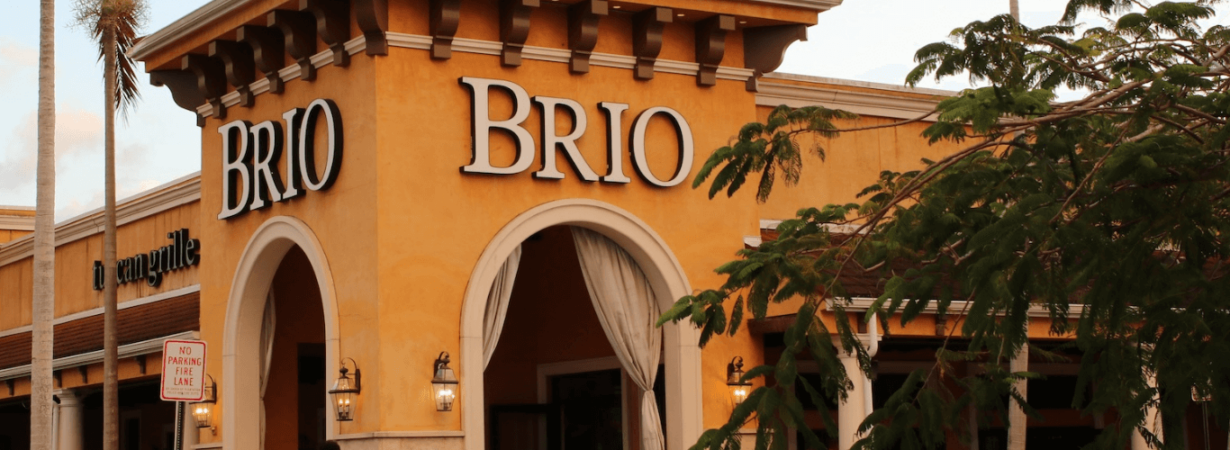
Bravo Brio Restaurants LLC, the parent company of Bravo! Italian Kitchen and Brio Italian Grille is a company that has sought Chapter 11 bankruptcy protection, the second time in a period of five years. The filing, filed in the U.S. Bankruptcy Court of the Middle District of Florida on August 18, 2025, underscores the economic stress of inflation run amok, skyrocketing interest rates, and evolving patterns in consumer behavior. Since 48 restaurants continue to operate throughout the country and its operations have approximately 4,000 employees, the company is hoping to reorganize its debt, cut its operating costs, and shut down its poorly performing locations as it looks for a new investor to normalize its future operations.
Why Bravo Brio Filed for Bankruptcy
In the filing, Bravo Brio Restaurants has been struggling with acute financial distress, which has afflicted much of the casual dining industry. The company has already closed seven of its locations before the filing of the bankruptcy, and intends to terminate some of its unprofitable leases as part of the restructuring process. At this moment, 47 of the remaining 48 restaurants have leased agreements, which complicates the management of the costs even further.
The business has pointed out two key economic obstacles, which are inflation and rising interest rates. Growing food, labor and occupancy expenses have tightened the margins, and the doubling of interest rates has raised financing loads. The already poor consumer spending has been further affected by inflation in discrete restaurants, especially the casual dining restaurants, which face high dependency on discretionary income.
According to Bravo Brio, its challenges are representative of the industry issues since the company pointed to other Chapter 11 filings of other legacy brands, including Red Lobster, Tijuana Flats, Fridays, and Hooters.
Industry-Wide Challenges and Future Outlook
The bankruptcy professionals believe that the germs of such difficulties were sown in the course of the COVID-19 pandemic. Daniel Gielchinsky is a bankruptcy attorney, the founder of DGIM Law, and he clarified that during the pandemic, restaurant operators took up large debts to pay rent, insurance, and payroll when the traffic decreased. Lots of them survived on government subsidies and loans, and, as revenues did not recover to pre-pandemic levels, it became impossible to pay back the debt.
The nature of consumer behavior has also changed forever as many of them prefer eating in their homes or deliveries over going to a normal restaurant where they can sit down and eat. Gielchinsky writes that customers did not fully recover, and many chains could not make the money that would help them to pay their long-term bills.
In the case of Bravo Brio, Chapter 11 filing provides the company with a chance to reorganize and seek a resurgence. The company can reduce the expenses, shut down its weaker destinations, and reach new investors; this way, it hopes to stabilize the operations and fit the changing situation in dining establishments. But, as the casual dining industry is experiencing numerous pressures, it is still unclear whether the future is bright or not.