Central Bank of Egypt Launches Smartphone POS Service — Is Cash Becoming Obsolete?
-
 Khalid Al Mansoor
- . February 2, 2026
- . Update: February 2, 2026 8:24 pm

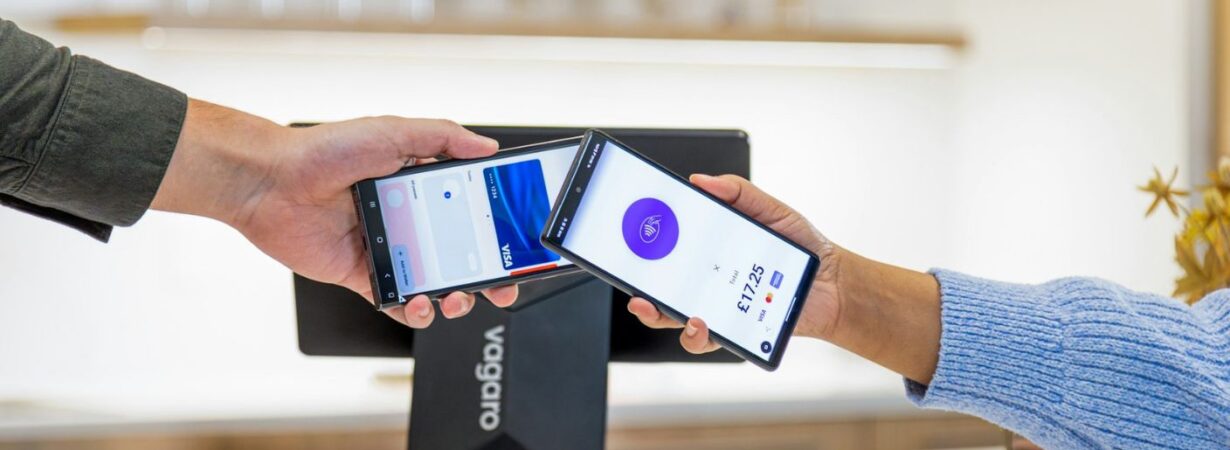
A cashless economy is a bold move that Egypt is undertaking with the Central Bank of Egypt (CBE) introducing its smartphone-based POS service. The Soft POS program enables the merchants to receive the payments made contactlessly through smartphone or tablet devices without the use of traditional POS terminals. The CBE will increase financial inclusion and ease payments through digital transactions using smart devices, and this will align with the Egypt Vision 2030. With the help of minimal cost, small and micro businesses are now able to enter the electronic payments ecosystem to provide the customers with much faster, secure, and convenient transactions. This action is an indication of a big change in the payment environment in Egypt.
How the Soft POS Service Works
Seamless Contactless Payments
The merchants put a Soft POS application on their smartphones or tablets. The customers are able to pay by use of contactless cards by typing in their PIN which is securely placed on the gadget. The system is in line with the international security standards, thus ensuring safety and efficiency in transactions.
Benefits for Merchants and Consumers
The smart phone POS saves the expense of procuring and maintaining the traditional POS machines. It serves micro and small businesses, boosts the use of digital payments, and facilitates faster and more convenient transactions among customers.
Central Bank’s Vision for Financial Inclusion
As CBE Governor Hassan Abdalla noted, this service helps provide access to more people to digital financial services. Having installed smart devices in payment infrastructure, Egypt empowers the fintech ecosystem and boosts the process of shifting toward a cashless economy.
FAQ
Q1: Who is allowed to use the Soft POS service?
It can be used by small, medium, and micro merchants in order to make contactless payments.
Q2: Is it secure?
Yes, it is meeting global requirements in terms of digital transactions.
Q3: Does it displace cash totally?
It does not do so immediately but it leads to a much lesser cash dependency.