

Egypt Cash Subsidy Plan 2026: Which Essential Foods Could Be Covered?
-
Dhivyanshu
- . August 22, 2026
- . Update: August 22, 2026 3:43 pm
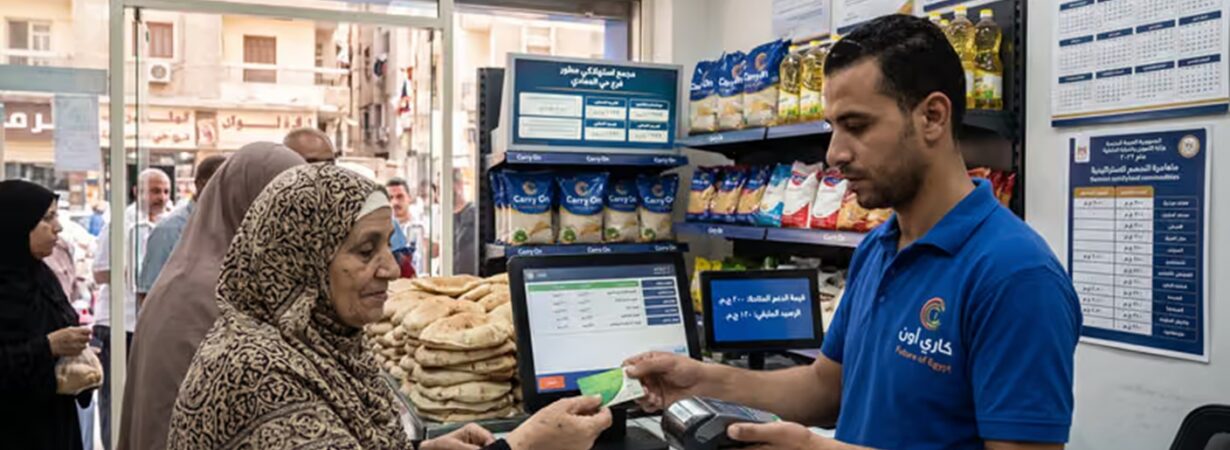
In August 2026, the Egyptian cabinet basically rolled out this sweeping overhaul of one of Africa’s biggest food support programs, and yeah, it is being framed as a major change. Honestly, the Egypt cash subsidy plan 2026 is getting described as a historic shift because it nudges the country away from a fixed in-kind commodity arrangement and toward something more adaptive, cash-driven. For the millions who have been relying on the old ration card system, this Egypt move from in-kind to cash subsidies is meant to bring a bit more room to choose, plus smoother distribution efficiency. But still, what actually shifts when people do daily grocery shopping, and which essential foods will be in the new coverage list? Here is everything citizens and analysts want to know about the upcoming subsidy reform.
Understanding the Egypt Transition In-Kind to Cash Subsidies
Right now, more than 60 million Egyptians receive a fixed monthly allocation of 50 Egyptian pounds, around $1, via their ration cards. With that, households can purchase a narrow set of goods at state-approved outlets only, and nothing else. The Ministry of Supply and Internal Trade says the new idea is designed to curb distribution losses, reduce spoilage, and in a way, give back a sort of measure control to consumers.
Under the new approach, households will get the direct cash equivalent of their subsidies, so families can decide what they really need, instead of always following the same limited menu every month. In remarks shared through the State Information Service (SIS), Prime Minister Mostafa Madbouly confirmed the government will fully carry out this Egypt transition in-kind to cash subsidies by the end of the fiscal year, in June 2027.
Expanding the Basket: Essential Foods Covered
The most highly anticipated part of the Egypt cash subsidy plan 2026 is basically the dramatic widening of eligible commodities, i mean it feels like that’s the big deal. And per reports out of Business Insider Africa, the shift will bring in premium proteins along with dairy into the buying options, moving away from a model that leans pretty hard on carbohydrates
The broader collection of essential foods under the new digital wallet setup will cover, at least in the official framing.
- Proteins: Fresh meat, poultry, and eggs.
- Dairy: Fluid milk and related dairy products.
- Pantry Staples: Grains, lentils, beans, and tea.
- Existing Goods: Cooking oil, sugar, and pasta, which are already kind of core for the current ration card system
As highlighted by market researchers at Tridge Insights, this diverse food basket see ensures that vulnerable households can keep a balanced, nutritious diet even when they are not neatly funneled into fixed quantities of standard cooking fats and sugars.
Top Picks For You
Explore best education systems worldwide?
Discover the top countries offering world-class education systems and global academic excellence for students.
Check best countries for Arabs 2026?
Explore the most welcoming destinations and immigration options for Arab students and professionals in 2026.
Discover top Saudi scholarships available?
Check the best fully funded Saudi Arabia scholarships open for international and Arab students.
Explore AI impact on Arab education?
Discover how AI is transforming education systems discussed at major Arab conferences.
Check Saudi universities global rankings?
Explore how Saudi universities perform in world academic rankings and global education standards.
What Happens to Subsidized Bread?
One big question that is on everyone’s mind is what will happen to the nation’s subsidized bread program, which independently supports nearly 70 million citizens. Bread is not just food there it is deeply intertwined with Egypt’s social fabric and economic stability, and it kinda holds things together.
Right now, the cabinet’s recent announcements have kept the bread program mostly separate from the immediate cash-transfer integration. As Marine Link noted in their insights, Egypt imports more than 4 million tonnes of wheat each year just to sustain this specific program. Even if subsidized bread ends up being folded into the wider cash commodity support system, it will probably move in a cautious, phased timeline to make sure food security stays strong and to dodge severe inflation shocks for the most vulnerable.
The Egypt cash subsidy plan 2026 is a major shift toward economic modernization and more targeted social protection. By swapping rigid quotas with flexible cash transfers, the Egypt transition from in-kind support toward cash subsidies empowers citizens to choose what truly fits their household needs. With high-value essentials covered—from poultry and eggs to lentils and dairy—the refreshed ration-card approach promises to really lift living standards for millions, and in doing so it sets a new benchmark for food security across the region.
FAQs
Q1: What is the Egypt cash subsidy plan 2026?
A: It’s a pretty huge government reform, replacing the old fixed commodity allocations in the ration-card setup with a cash-equivalent payout, so beneficiaries can basically steer their own grocery choices.
Q2: Which essential foods covered are new to the program?
A: With the new Egypt shift from in-kind support to cash subsidies, people will be able to pay for newly added items such as meat, milk, eggs, poultry, lentils, and beans. This comes alongside the usual staples, like sugar and cooking oil, too.
Q3: When will this new system be fully implemented?
A: The government plans to do it step by step during the current fiscal year. The target is full adoption by June 2027.
Q4: Will subsidized bread be included in the cash system?
A: Right now, subsidized bread is kept separate from the newly announced cash-transfer basket, even if officials are reviewing how it could be folded in later on, as time goes.