

Somalia’s Child Hunger Crisis: Why Falling Humanitarian Aid is a Death Sentence
-
Dhivyanshu
- . August 22, 2026
- . Update: August 22, 2026 3:49 pm
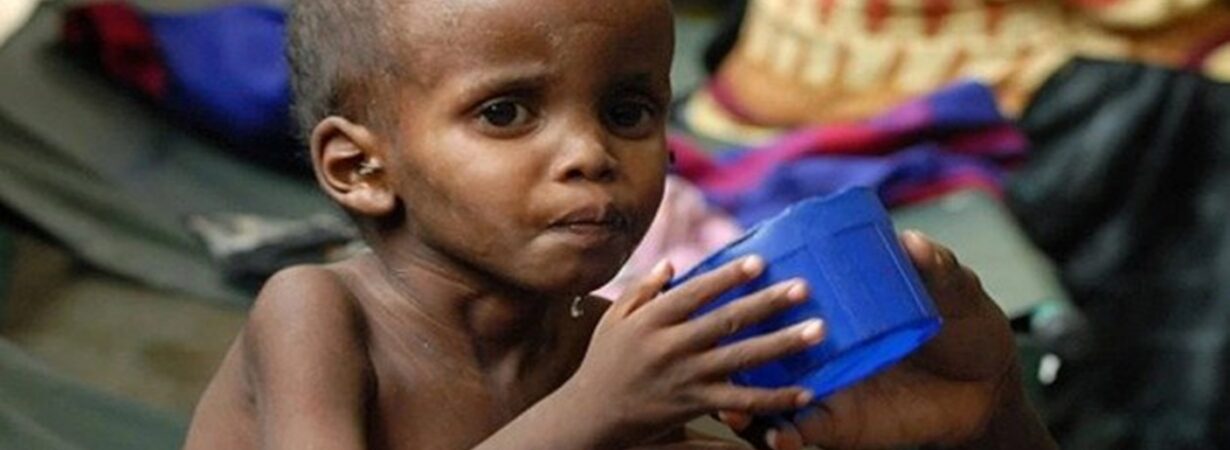
The numbers coming out of the Horn of Africa are not just stats; they feel like a tragic countdown. In Somalia, the child hunger crisis deepens, and an estimated 1.88 million children are projected to need treatment for acute malnutrition in 2026. But somehow, right when these fragile populations require help the most, international donor support is vanishing. The severe humanitarian aid cuts have already forced more than 200 life-saving health and nutrition facilities to shut down, basically overnight. This isn’t only some paperwork snag; it’s an actual abandonment of the world’s most vulnerable children. We can’t just look away.
The Devastating Impact of the Humanitarian Funding Gap
In early 2026, the United Nations Children’s Fund UNICEF warned that an unprecedented humanitarian funding gap is crippling operations on the ground. When clinics close, the consequences for kids are immediate and blunt.
Recent United Nations data says there has been a staggering 32% increase in children admitted to stabilization centers who have severe acute malnutrition along with medical complications. This isn’t because more children are randomly getting worse. It’s happening because the nearby preventative community care centers they depended on no longer have the money to keep the doors open.
- Mothers are sorta shoved into longer, treacherous journeys just to get any kind of care.
- Delayed treatment can turn moderate malnutrition into a critical, life-threatening emergency.
- And the basic essentials too- safe drinking water, immunizations, and basic sanitation- are becoming more and more out of reach, especially for families that are already struggling.
A Perfect Storm: Climate Shocks and Somalia Food Insecurity
It feels like this tragic irony is happening on purpose, sort of: these financial retreats are arriving while environmental pressures are getting worse at the same time. The country is now dealing with a crowded mix of intense climate jolts, from brutal droughts up north to dangerous flooding threats linked to a record-strong El Niño, and yeah, it’s getting more complicated by the week.
A new joint assessment by the Integrated Food Security Phase Classification (IPC) and the Food and Agriculture Organization (FAO) spells out something grim. Roughly 6.5 million people, which is close to a third of the population, are living in crisis conditions tied to Somalia food insecurity. Pastoral ways of living and farming routines are breaking down, and households that used to depend on cattle or flourishing crops are being pushed away from where they were. They end up wandering for sustenance, not for something extra but just to keep their kids alive, period.
Top Picks For You
Explore best education systems worldwide?
Discover the top countries offering world-class education systems and global academic excellence for students.
Check best countries for Arabs 2026?
Explore the most welcoming destinations and immigration options for Arab students and professionals in 2026.
Discover top Saudi scholarships available?
Check the best fully funded Saudi Arabia scholarships open for international and Arab students.
Explore AI impact on Arab education?
Discover how AI is transforming education systems discussed at major Arab conferences.
Check Saudi universities global rankings?
Explore how Saudi universities perform in world academic rankings and global education standards
What Needs to Happen for Famine Prevention in Somalia?
We can’t really afford to step back. Fixing the Somalia child hunger crisis needs immediate, unconditional engagement from the global community, not later, not with delays.
Re-prioritizing Life-saving Interventions
The UN Office for the Coordination of Humanitarian Affairs (OCHA) and the World Food Programme (WFP) are trying to pivot toward low-cost and high-impact assistance because they expect operational gaps. Still, shifting resources around is not sufficient; the whole mechanism also requires new funding, like actual fresh capital that can be deployed fast.
- Restore Frontline Funding: Donor nations need to step up right now, to close the humanitarian funding gap and get the 205 clinics back to working.
- Scale Up Treatment: Make sure the supply chains stay steady for Ready-to-Use Therapeutic Food (RUTF) for the 483,000 children in Somalia who are dealing with severe acute malnutrition.
- Build Climate Resilience: Blend emergency relief with long-term infrastructure investments, so farming can stand up better against coming climate shocks.
These ongoing humanitarian aid cuts aren’t just tidy figures in some spreadsheet. They are basically a death sentence for too many children. Effective famine prevention in Somalia means more than speeches and empty gestures at global summits. What’s needed is immediate, steady financial support. If the international community doesn’t move quickly and seal this catastrophic humanitarian funding gap, then the moral responsibility is going to haunt us for generations. It’s time to fund the front lines and put an end to the Somalia child hunger crisis before it becomes irreversible.
FAQs
Q1: What is driving the current Somalia child hunger crisis?
A: This crisis is kind of powered by a deadly mashup of harsh climate shocks, like long drought spells and El Niño flooding, plus continuing regional fighting and rising world food prices. Also, there are huge humanitarian aid cuts, so it all stacks up, in a pretty ugly way.
Q2: How many children are affected by acute malnutrition in Somalia?
A: New IPC projections say about 1.88 million children will need treatment for acute malnutrition in Somalia in 2026, and almost 483,000 of them are dealing with severe, life-threatening conditions.
Q3: Why is the humanitarian funding gap so dangerous right now?
A: Because of the humanitarian funding gap, more than 200 health and nutrition facilities have already closed down. Families then have to walk or travel, even for basic care, which causes treatments to arrive late and results in a noticeable jump in preventable child deaths.