

Egypt Launches Lease-to-Own Industrial Land Scheme: Everything Manufacturers Need to Know
-
Dhivyanshu
- . August 3, 2026
- . Update: August 3, 2026 5:44 pm
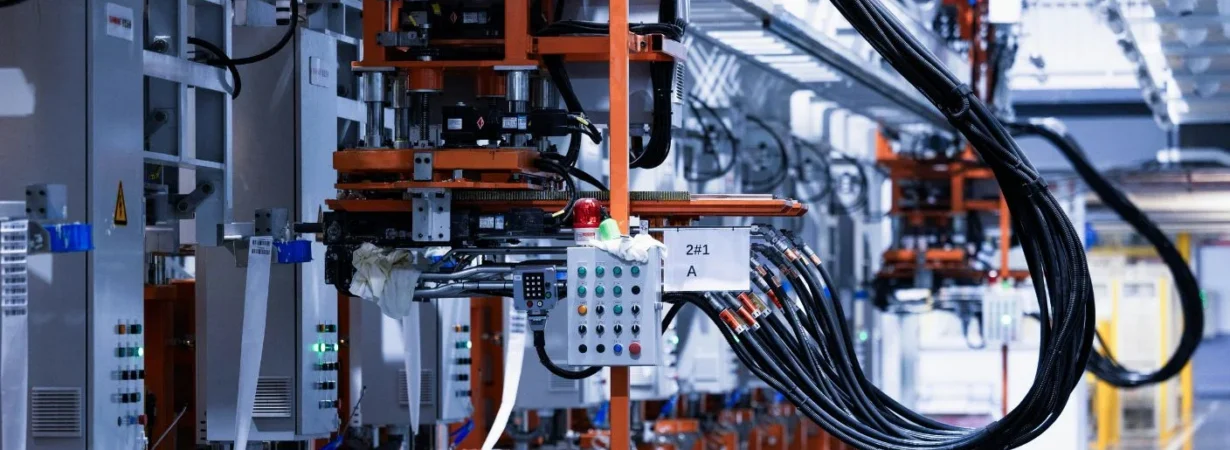
In a major move to accelerate economic growth and bring in foreign capital, the Egyptian Ministry of Industry has officially rolled out the Egypt lease-to-own industrial land scheme. It is set up to ease those heavy, upfront financial pressures on business owners so they can put their money toward building factories and acquiring machinery, instead of buying real estate, all at once. This lease-to-own setup for industrial land is a key step meant to strengthen manufacturing investment in Egypt. Here is what manufacturers should know in order to navigate this new program, with less headache than before.
Understanding the Egypt Lease-to-Own Industrial Land Scheme
For a long time , getting industrial land meant needing a large pile of cash before anything even started. Now though, the Egypt industrial land allocation framework has been modernized, in a real way. The Industrial Development Authority (IDA) manages the new scheme and it comes with unusual financial flexibility. Instead of paying those steep initial charges, investors can now lease the land directly from the state, with a clear, guaranteed pathway to eventually own it.
Key Terms and Financial Benefits
- Flexible Duration: The leases go from 7 years to, at most, 21 years, depending on how it works out in practice.
- Low Annual Cost: The rent is kept at a fairly reachable 5% of the total land price per square meter each year.
- Value Reassessment: The rental level gets checked again after the 7th and also after the 14th year, but only if the plot has not yet been purchased
- Path to Ownership: Investors are able to apply to officially acquire the land after only one year of real factory operations.
If a manufacturer opts to buy, then all the rent already paid is fully subtracted from the ultimate purchase price. After that, the investor has to pay 25% of what is left, right away upfront, and the remaining portion is distributed over three annual installments, in a calm way.
Strategic Advantages for Manufacturing Investment in Egypt
According to the official statements that are emphasized by the State Information Service (SIS), this initiative is trying to make the most efficient use of state assets. Basically, when you lower the entry barriers, the lease-to-own system for industrial land really helps curb land hoarding and yes, real estate speculation too.
As Daily News Egypt mentioned, the scheme fits with the wider ambition of the country, which is to localize production chains and move Egypt toward being a regional manufacturing hub. In that sense, the policy gives a stronger role to bodies like the General Authority for Investment and Free Zones (GAFI) to pull in different sectors, from food processing and textiles to engineering, and even pharmaceuticals.
How to Apply via the Digital Egypt Industrial Platform
To keep things transparent and also make the steps smoother, the Ministry of Industry has digitized the whole application flow. Manufacturers now have to apply electronically via the newly introduced Digital Egypt Industrial Platform.
Through this integrated portal, investors can:
- See investment opportunities and industrial plots across the country.
- Study tender papers and land specifications with more detail.
- Send applications and handle all the needed administrative fees online.
Once an application is submitted, it will be reviewed by a dedicated committee, made up of representatives from the Industrial Development Authority and other relevant government agencies, based on targeted industrial activities and technical feasibility.
The launch of the Egypt lease-to-own industrial land scheme is a transformative milestone for the national economy. By using the Digital Egypt Industrial Platform and the regulatory know-how of the Industrial Development Authority, the government is actively clearing obstacles to entry, in a very practical way. For investors, this means less capital locked into real estate and more effort directed toward innovation, output, and longer-horizon success.
FAQs – Egypt lease-to-own industrial land
1. Who is eligible for the lease-to-own system for industrial land?
Any serious local or international investor who wants to start up or grow industrial operations can apply, as long as the project fits the targeted industrial sectors, and passes the technical assessments.
2. Can I buy the leased land immediately?
No, you have to wait until after one year of real, verified factory operation. I mean, the whole point here is that Egypt industrial land allocation is for real production, not for anyone thinking about land speculation.
3. Will my rental payments go to waste if I decide to purchase?
Not at all. One of the biggest benefits of this program is that 100% of the rent you paid before you submit the purchase request is deducted from the total land price.
4. Where do I apply for the land?
Applications are handled only online through the Digital Egypt Industrial Platform throughout the whole year.
Discover More Insights
Explore Cairo inflation middle class impact?
Discover how rising prices are affecting savings and daily life.
Check Algeria power plant deadline extension?
Explore updates on the 1.2GW energy project timeline.
Discover Turkey new electricity tariff changes?
Check how updated pricing will impact households and businesses.
Explore Qatar initiative boosting Syria power?
Discover efforts aimed at strengthening Syria’s electricity generation.
Check Beirut balcony lighting energy tips?
Explore efficient lighting ideas for Ramadan and beyond.