
Egypt’s Role in Sudan’s War: Military Alliances, Democratic Transition, and Regional Stability
-
Dhivyanshu
- . July 21, 2026
- . Update: July 21, 2026 2:05 pm
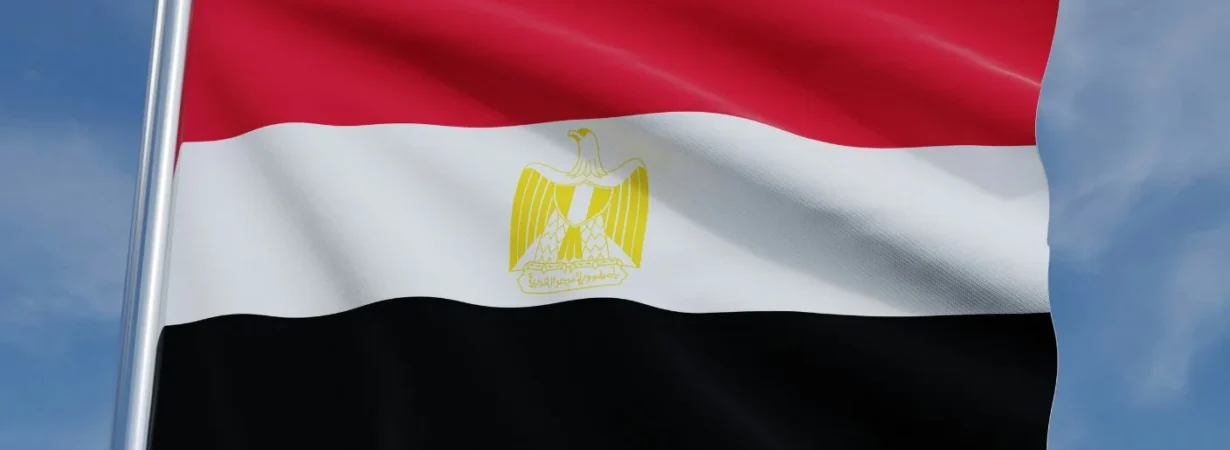
The civil war in Sudan has emerged as one of the world’s worst humanitarian emergencies and has caused millions of people to flee, destroyed public infrastructure, and destabilised the Horn of Africa. Egypt role in Sudan war, The conflict has been between the Sudanese Armed Forces (SAF) and the Rapid Support Forces (RSF), although regional powers have entered the fray in various political, military, and diplomatic ways. One of these external players is Egypt, which has become one of the SAF’s closest regional friends, playing a pivotal role in the talks on Sudan’s political future, democratic transition, and regional security.
Sudan’s Democratic Transition and the 2021 Military Coup
After the revolution of 2019, which ended the 30-year rule of Omar al-Bashir, Sudan began a fragile transitional process with an interim civilian Government supported by Western Governments, international financial institutions, and regional partners. It was hoped that the transitional government would be paving the way for democratic elections and that it would be making changes to the institutions of the military, which has been the dominant power in the country for a long time.
However, in October 2021, Sudan’s military ousted the civilian government and took control of the country. This was met with much condemnation around the world, and resulted in the suspension of major monetary aid and diplomatic backing from several Western countries.
The Crown Center for Middle East Studies‘ research has come out with the conclusion that the coup was part of a larger campaign to hold on to military’s political and economic power instead of giving power to civilian institutions. A deeper counter-revolutionary context to the coup is described, as entrenched security institutions tried to preserve their power in the political system of Sudan.
Egypt’s Strategic Partnership with the Sudanese Armed Forces
Egypt has long viewed Sudan as a crucial link to national security in light of its historical military ties, shared border, common interests in regard to the security of the Nile water and the stability of the border. Cairo has enjoyed longstanding ties with the military in Sudan, including joint military exercises, intelligence sharing and military training.
Throughout the conflict between SAF and RSF which began in April 2023, Egypt has repeatedly stressed the need to maintain the state institutions of Sudan and avert its collapse. Egyptian authorities say it is essential to keep the country’s armed forces united to prevent more divisions, cross-border insecurity and increased instability in the region.
But critics say such support by the political and security services for the SAF has emboldened the army while many civilian groups in Sudan still want to return to democratic rule. So from this point of view, the continued support of the military institutions could drag down the political changes that follow the revolution of 2019.
Regional Competition Has Complicated Sudan’s Conflict
Egypt is one of a number of regional actors which are shaping the crisis in Sudan. The governments of Turkey, Qatar, Saudi Arabia and others have had their own diplomatic, political, economic or security agendas that have led to overlapping initiatives and often to peace efforts being complicated.
Outside elements have played a role in different diplomatic processes and political relations, as opposed to a unified regional framework. These conflicting priorities have led to a growing polarization in which several centres of influence influence negotiations and military calculations.
However, analysts point out that the interests of various regions may clash and could lessen the motivation to compromise by making it easier for Sudanese factions to court the outside support rather than seek political consensus. The more regional stakeholders become involved, the more challenging international mediation becomes.
External Support and Sudan’s Internal Balance of Power ‘
The war in Sudan has affected the balance of power within Sudan itself through regional involvement. Domestic actors’ strategic options are influenced by diplomatic recognition, political support, security cooperation and longstanding military partnerships.
Egypt’s proximity to SAF has made them feel confident that Sudan’s military rulers have strong regional backing despite the international worry over civilian deaths and the humanitarian situation. Meanwhile, other regional actors have their own relationship and priorities, which add to Sudan’s political and regional complexities.
The conflict in Sudan has become an internal and regional political and economic game for a number of external interests in the region, in addition to its internal nature.
The Humanitarian Consequences of Prolonged Conflict
This ongoing conflict has created one of the largest displaced persons crisis in the world. The displacement of millions of Sudanese and the anticipated deterioration of food security, disease outbreaks, and the failure to provide public basic services and health care have been reported.
While fighting between the Sudanese parties are the main cause of the humanitarian emergency, the region has been under a long-standing competition, which has complicated efforts for the establishment of durable ceasefires and humanitarian access. International actors may have conflicting strategic aims, making negotiations more challenging and making it more difficult for peace initiatives to have lasting effects.
These geopolitical forces are manifested in civilians’ situations as long-term displacement, economic difficulties and increasing uncertainty surrounding the future of Sudan.
Implications for Regional Security and International Mediation
The greater Horn of Africa and Red Sea region are becoming more vulnerable to the instability that is present in Sudan. Refugee movements remain a strain on neighbouring countries, and worries about the security of the borders, the organized crime, and maritime stability have increased.
Additionally, the length of time that Sudan remains unstable has implications for international trade routes and regional security cooperation, due to Sudan’s strategic position. The international mediations are also hampered by the fact that there are numerous regional and international initiatives that have different priorities and are launched at the same time.
While the majority of stakeholders agree that the violence must stop, there are dividing lines regarding the timing of ceasefires, political negotiations, reforms in the security sector, and civilian integration in any future settlement. To Western governments who poured millions of dollars into the democratic transition in Sudan following 2019, it is critical that they put in the work to restore a conducive political process. Meanwhile, regional security and strategic interests remain the top priority for regional powers, and international coordination is ever increasingly difficult.
Conclusion – Egypt role in Sudan war
Sudan’s war has become much more than an intra-state power struggle. It now embodies the dynamics of home political fracturing and conflicting wills in the regions that govern the nation’s future. Egypt’s relationship with the Sudan Armed Forces makes it one of the most influential external players in the crisis; supporters say it is crucial to maintaining state institutions, while critics see it as a way of sustaining military power over the quest for democratic transition. If a sustainable political settlement is to be reached, it will take not only commonality among Sudanese parties involved, but also more coordination among external parties as regional competition persists. In the absence of greater diplomatic cooperation and renewed efforts to support a broader political process, Sudan’s humanitarian crisis and regional instability are likely to continue, and a lasting peace is becoming ever more challenging.
Discover more Insights
Explore Iran War Lessons Globally?
Explore how the 2026 Iran war reshapes global power and strategy.
Discover Iran Delay Strategy Tactics?
Discover how Iran uses delay, repression, and proxy influence.
Check Trump Iran Strategy Importance?
Check why Trump’s Iran strategy depends on Gulf allies.
Explore Iran Military Warning Signals?
Explore rising warnings from Iran alarming global powers.
Discover Sudan Iran Axis Threat?
Discover how the Sudan-Iran axis raises serious regional concerns.