

The Egyptian Pound’s 82% Slide: What Comes After a Decade of Devaluation?
-
Dhivyanshu
- . August 7, 2026
- . Update: August 7, 2026 7:39 pm
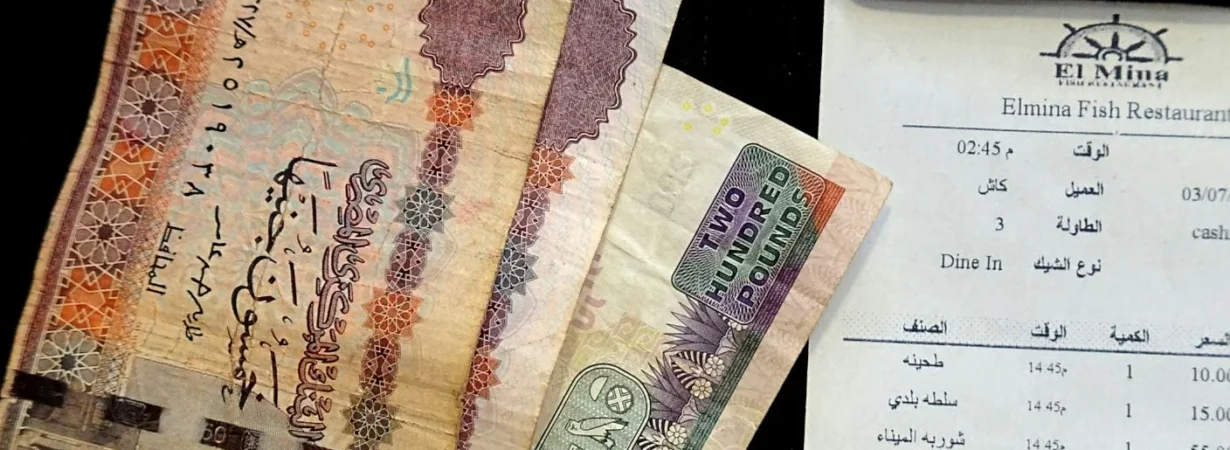
Over the past ten years, the North African economic powerhouse has basically seen a staggering Egyptian pound 82 percent slide, falling from around 8 EGP to the US dollar, down to nearly 50 EGP. This historic Egyptian pound devaluation has, in practice, redrawn consumer buying power and also domestic industry patterns. After years of dealing with severe foreign exchange shortfalls, the government finally gave up its artificial currency anchor and shifted toward a more market-led framework. But now that things calm down a bit, what are the long-term aftershocks of the Egypt currency crisis 2026? Here is what comes after a decade of major financial restructuring, and it isn’t really as simple as it sounds.
Understanding the Egyptian Pound 82 Percent Slide
To understand what the Egypt currency crisis 2026 is really about, you have to rewind about a decade of economic turbulence. In 2015, the Central Bank of Egypt managed the currency quite tightly, keeping it in a rough peg of around 8 pounds to the dollar. Still, maintaining that setup demanded billions of dollars in interventions, over and over, just to hold the line.
Then, global shocks started piling up. This included the COVID-19 pandemic, plus the war in Ukraine, which hit Egypt’s crucial wheat imports and also weakened the tourism sector. Foreign reserves declined fast. Based on historical market data mentioned by Reuters, the government ended up using a run of abrupt devaluations in 2016, 2022, and 2023. By the time the currency was fully floated in early 2024, the combined impact led to that unprecedented Egyptian pound 82 percent slide, the one people still talk about today.
The IMF and the Shift to a Flexible Exchange Rate
That turning point in this Egyptian pound devaluation story kind of hit when Egypt got into a landmark arrangement with the International Monetary Fund. In order to lock in an augmented $8 billion bailout package from the IMF, Cairo basically had to agree to strict but still necessary structural reforms.
What really mattered in the agreement was the quick shift toward a genuine flexible exchange rate. Once the pound’s value was left to supply and demand, the Central Bank of Egypt managed to undermine the parallel black market, which had been hoarding dollars and throwing the whole economy off balance, day after day.
The Impact of Foreign Exchange Shortages
Before that historic float, tough foreign exchange shortages pretty much froze the country’s imports. Stuff sat at ports for while, and key industries had a hard time getting raw materials. Still, right after the move to a flexible exchange rate, plus the massive $35 billion investment from the UAE for the Ras El Hekma coastal project, liquidity came back fast into the banking sector.
The quick economic impacts from the devaluation of the Egyptian pound looked like this, more or less:
- Skyrocketing Inflation: Consumer prices were suddenly at record levels, and imported goods became basically more expensive overnight, which is a big deal for everyday people.
- Interest Rate Hikes: The Central Bank of Egypt (CBE) raised the interest rates in a big way to slow inflation down and also to get residents to park their money locally rather than spend it all.
- Remittance Recovery: Since the black market role got removed, expatriates felt more confident again, so they resumed sending billions of dollars home via official bank routes, and this rebound was noted strongly by the World Bank.
Moving Forward: Surviving the Egypt Currency Crisis 2026
Today, the immediate panic around the Egypt currency crisis 2026 has eased a bit, and now it feels like we’re moving into a more strict, disciplined fiscal phase. Even though the Egyptian pound 82 percent drop has, in a sense, permanently wiped out a large chunk of domestic wealth, it also pushed Egyptian exports and tourism into a much more competitive position on the world stage. Regional outlets such as Ahram Online say foreign direct investment is rising steadily, mostly because currency numbers are finally starting to mirror real market conditions, rather than some artificial state pegs.
And yes, a whole decade of financial engineering more or less had to end somewhere. The Egypt currency crisis 2026, triggered by the Egyptian pound 82 percent slide, brought real pain through inflation and weaker purchasing power, no sugarcoating there. But it also forced an unavoidable economic reckoning that many people avoided for too long. By shifting toward a flexible exchange rate, addressing foreign exchange shortages, and removing those artificial pegs, the Central Bank of Egypt has begun laying the groundwork for a clearer, more competitive, and steadier economy. Fixing the damage from this historic Egyptian pound devaluation won’t be quick; however, the hardest and most necessary steps have already been put in place.
FAQs – Egyptian pound 82 percent slide
Q1: What caused the Egyptian pound 82 percent slide?
A: That big depreciation was pretty much driven by years of artificially pegging the currency, with extra pressure from external shocks like the Ukraine war, which then drained the reserves and caused harsh foreign exchange shortages.
Q2: What is a flexible exchange rate?
A: A flexible exchange rate works when the value of a currency is shaped by open market forces, supply and demand basically, not by one fixed and rigid price set by the Central Bank of Egypt.
Q3: Is the Egypt currency crisis 2026 over?
A: It’s not exactly over. Yes, the worst part of the foreign exchange shortages seems to be fixed, and the black market is gone, but Egypt is still handling the long-term inflationary spillover from the devaluation of the Egyptian pound, plus the weight of heavy external debt obligations.
Discover More Insights
Explore Cairo inflation middle class impact?
Discover how rising prices are affecting savings and daily life.
Check Algeria power plant deadline extension?
Explore updates on the 1.2GW energy project timeline.
Discover Turkey new electricity tariff changes?
Check how updated pricing will impact households and businesses.
Explore Qatar initiative boosting Syria power?
Discover efforts aimed at strengthening Syria’s electricity generation.
Check Beirut balcony lighting energy tips?
Explore efficient lighting ideas for Ramadan and beyond.