Fajr Prayer Times for October 6, 2025 Across Arab Cities
-
 Hassan Rahim
- . October 5, 2025
- . Update: October 5, 2025 8:58 pm

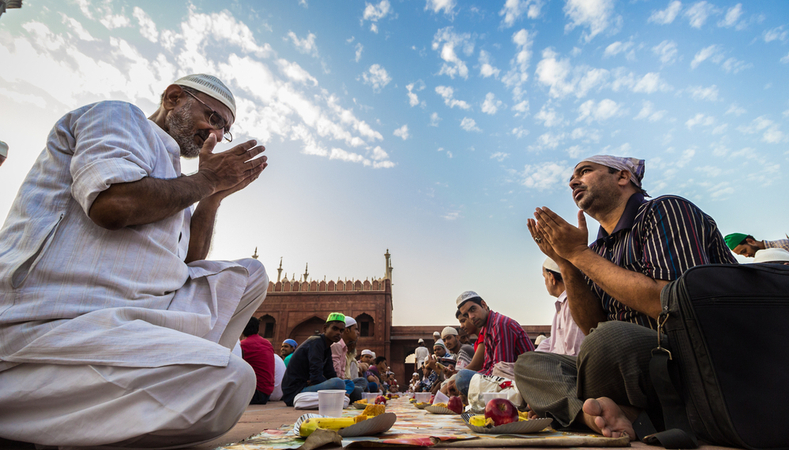
Long before sunrise, Arab cities feel different. The air is cooler, streets quieter, and the sky carries a faint silver glow. Then, somewhere in the distance, the adhan begins. A calm voice calling through still air. That’s the signal—the Fajr prayer time has arrived.
For millions across Arab countries, this early hour marks a sacred start. The timing matters, even by a minute. On October 6, 2025, Fajr prayer times will vary slightly between regions like Saudi Arabia, the UAE, Qatar, Kuwait, Oman, Bahrain, Jordan, Lebanon, and Egypt. Each follows the same rhythm—waking before dawn to greet the day through prayer. What ties them together is not just faith, but timing. The quiet discipline of being ready when the first light breaks the horizon.
Fajr Prayer Times for October 6, 2025, in Major Middle East Cities
Every city measures Fajr by its horizon. Some see the first light earlier, some a little later. Still, at this hour, there’s a shared peace across the Arab region that words rarely capture.
| City | Country | Fajr Time (Local) |
| Riyadh | Saudi Arabia | 04:29 |
| Jeddah | Saudi Arabia | 04:40 |
| Makkah | Saudi Arabia | 04:38 |
| Medina | Saudi Arabia | 04:41 |
| Dubai | United Arab Emirates | 04:56 |
| Abu Dhabi | United Arab Emirates | 05:00 |
| Doha | Qatar | 04:32 |
| Kuwait City | Kuwait | 04:38 |
| Muscat | Oman | 04:42 |
| Manama | Bahrain | 04:37 |
| Amman | Jordan | 05:12 |
| Beirut | Lebanon | 05:09 |
| Cairo | Egypt | 04:33 |
| Alexandria | Egypt | 04:38 |
Each line on this list tells the same story—dawn waiting to unfold, minute by minute.
Saudi Arabia
In Saudi Arabia, dawn feels alive even before sunrise. Riyadh’s Fajr starts at 4:29 AM, when the sky is still dim. The city’s mosques fill with the low hum of prayer, breaking the quiet. Makkah’s Fajr begins at 4:38 AM, the Grand Mosque glowing softly under white light. Pilgrims line up, shoulder to shoulder. The echo of adhan stretches across the open air.
Medina follows soon after at 4:41 AM, its courtyards cooler than the day ahead. Jeddah joins at 4:40 AM, with a faint breeze from the Red Sea rolling through the streets. In these cities, time is watched closely. The first call never misses its mark.
United Arab Emirates
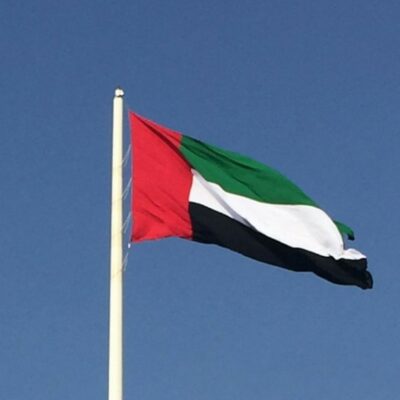
In the UAE, Fajr has a rhythm of its own. Dubai’s Fajr prayer time is 4:56 AM, while Abu Dhabi’s is 5:00 AM. At that hour, the city hums softly—air-conditioning units, faint car engines, maybe a bakery light turning on. Mosques glow green across neighborhoods, their clocks ticking toward dawn.
Workers preparing for early shifts, security guards on night duty, and families in quiet homes all move in the same pattern. Fajr doesn’t just start the day here—it resets it. Some pray at home, others walk across still pavements to the nearest mosque. The sound of adhan wraps around the skyline and fades before sunrise.
Qatar & Kuwait
In Doha, Fajr begins at 4:32 AM, when the air still carries salt from the Gulf. The city’s lights shimmer faintly, and for a moment, everything stands still. Just a few blocks away, shops preparing to open pause for prayer.
Kuwait City’s Fajr time is 4:38 AM, and its sound carries farther than expected. Through quiet residential streets, the call moves gently. Many families there rely on printed schedules from local mosques, some still taped to fridges or pinned beside doors. There’s a rhythm in these small habits—one that hasn’t changed much through generations.
Oman & Bahrain
Muscat greets Fajr at 4:42 AM, the horizon soft with the first sign of light. The air smells faintly of sea salt. Mosques along the coast begin their calls, one after another, echoing across the water. For many Omanis, this hour feels like the calmest part of the day.
In Bahrain, Fajr is at 4:37 AM. Small communities often hear the same adhan overlap from different mosques—a layered harmony filling narrow streets. By the time the prayer ends, the first streak of orange spreads across the horizon. Fishermen and early market vendors use this time to prepare for the long day ahead.
Jordan & Lebanon
In Amman, Fajr arrives at 5:12 AM, later than its Gulf neighbors. The city rests between hills, and the sound of prayer climbs from one valley to another. Cool air rolls through the streets, carrying the faint smell of rain-soaked earth. Beirut follows closely at 5:09 AM. There, the sea hums quietly while mosques call out together. The sound mixes with waves hitting the Corniche.
These few minutes before sunrise feel longer than they are. Some residents light small lamps, others step outside just to breathe in the chill before the city wakes. It’s not ceremony—it’s habit. And it holds the same comfort, every day.
Egypt
Cairo’s Fajr prayer time for October 6 is 4:33 AM, and Alexandria follows at 4:38 AM. Few scenes match the sound of Cairo’s dawn. Hundreds of muezzins begin together, their voices crossing over rooftops and old streets. The air smells faintly of baking bread and dust.
In Alexandria, the sea catches the first light. The call of adhan carries far out, reaching fishermen still at shore. Egyptians often call this time “the city’s breath,” because for once, Cairo pauses. For a few moments, peace replaces chaos. And then, just like that, life starts again.
Tips for Muslims Observing Fajr Across Regions
Staying consistent with Fajr prayer needs planning. A few simple routines can help:
- Check official times nightly. Ministries and mosque boards update schedules daily.
- Set two alarms. One for waking up, one just before the call begins.
- Keep prayer clothes and water ready. Saves minutes before dawn.
- Avoid screens. Quiet helps keep the focus clear.
- Watch for daylight changes. October brings slightly earlier dawns.
- Plan suhoor early. Those fasting voluntary days can prepare before Fajr begins.
Small efforts make the hour smoother. Most who pray regularly describe this time as grounding—a calm start before the world rushes back.
Community Reflection and Early Morning Blessings
Across Arab nations, Fajr ties people together in silence. The same prayer whispered in Riyadh is echoed in Cairo, Doha, and Beirut. The sound might differ, but the feeling stays the same.
Before sunrise, the world feels new. Cool air, faint birdsong, the steady rhythm of recitation—it all fits together. Once the prayer ends, the cities shift again. Doors open, traffic begins, the day moves forward. But those quiet minutes before dawn stay in the mind, steady as time itself. On October 6, 2025, as Fajr prayer times stretch across the Middle East, they will once again remind millions of that calm beginning—the kind that never really fades.