

Why Europe Is Calling for Greater Oversight of Iranian Diplomatic Missions
-
Dhivyanshu
- . May 16, 2026
- . Update: May 29, 2026 6:44 pm
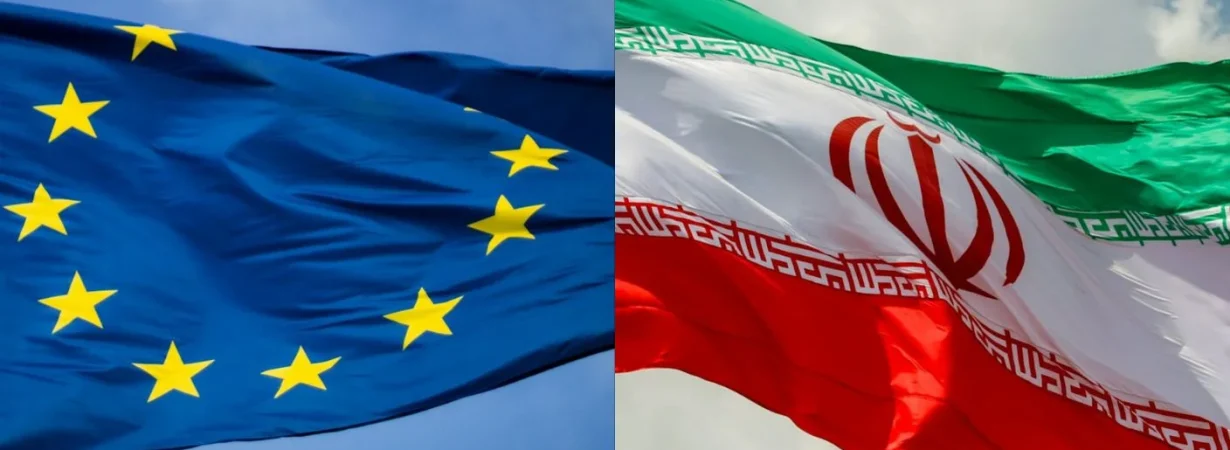
European institutions together with Western allies are raising a growing unease about Iran’s destabilising actions and the extra transnational security risks that come with it. Lately, the escalation of Iran-linked threats hasn’t stayed put in the Middle East anymore, so it’s asking for steady international attention from policymakers, intelligence agencies, and also economic stakeholders.
Iran diplomatic missions oversight, Security agencies in various countries have been flagging recurring patterns that look like Iran-linked surveillance, shadow influence operations, and hybrid activities. What’s especially notable is that these actions are now being documented more and more on European soil, which is why you keep hearing calls for firmer monitoring and tighter, coordinated oversight measures.
The Security Imperative: Scrutinising Iran’s Diplomatic Network
The security environment that keeps evolving is making calls louder for a closer look at Iranian diplomatic missions. European policymakers and security officials seem to agree that more transparency rules and a better coordinated oversight setup are needed. The aim is, to reduce any possible foreign meddling and also the messy hybrid kinds of threats that can show up.
Different intelligence assessments have said more than once that diplomatic channels can be used—at least potentially—to enable covert work, surveillance activity, and influence campaigns across Europe. For European security agencies tasked with stopping cross-border threats, keeping an eye on these dangers has become more and more urgent, sort of a constant priority.
So any activities tied to Iranian diplomatic missions should not be treated only as political arguments. Instead, they should be understood as wider intelligence and security matters, and this means stronger international vigilance, and more legal accountability too.
International Law and State Sovereignty Under Pressure
Some Iran-linked practices still keep testing those established international legal norms, and principles of state sovereignty, kind of like they just don’t fully stop. Allegations of cross-border surveillance and various influence operations within sovereign European states have also been intensifying the debates about diplomatic accountability and how well actors actually comply with international conventions.
International diplomatic norms and sovereignty principles in general prohibit foreign interference that erodes the territorial integrity plus internal security of sovereign states. Yet, the allegations that diplomatic activity stretches beyond the usual state representation bring serious legal and geopolitical worries.
European institutions have repeatedly said that actions which threaten state sovereignty, and also regional security, end up undermining the bases of international law, and it weakens wider global stability frameworks.
Threats to Trade Corridors and Regional Stability
The geopolitical consequences of escalation connected to Iran go way beyond just diplomacy and security; it kind of ripples everywhere. You can see that rising instability is already directly endangering vital Middle East-Europe trade corridors, and those corridors matter for global commerce, maritime security, and energy transportation too.
As regional tensions ramp up, the dangers for shipping routes, logistics infrastructure, and strategic maritime passages also start to climb. European and Western policymakers increasingly think that disruptions along these corridors are not some side issue but an actual threat to international economic stability and the global supply chain.
Even a limited escalation tied to Iran can end up unsettling regional trade flows, sapping investor confidence, and stirring up uncertainty across international markets.
The Economic Toll on Europe and the USA
The economic implications of Iran-linked escalation are pretty big, and they’re also getting more global fast. Basically, when instability starts to mess with critical trade and energy corridors, global oil and gas markets start responding right away to supply uncertainty, like it’s automatic.
That kind of volatility often turns into higher energy prices, more inflationary pressure, and wider ripple effects across international markets. Bodies like the International Energy Agency, IEA, keep tracking how regional escalation that is tied to Iran can add even more strain to global energy systems.
For major European economies, including Germany, Italy, and France, a long run of energy market instability can raise industrial costs a lot. It can also erode manufacturing competitiveness and add more strain on national budgets, and it tends to do it quietly at first, then all at once.
At the household level, when oil and gas prices climb, it usually turns into higher utility bills, higher transportation expenses, and then broader cost-of-living pressure for families across Europe and the United States. It’s one of those things where it feels small until it isn’t.
And since worries around Iran-linked actions are moving beyond the Middle East, European institutions and outside partners are expected to keep pushing for stronger diplomatic supervision, better legal accountability, and coordinated security steps. The aim is to protect international stability, trade safety, and those global energy markets, because without that, everything else becomes more expensive and less predictable.
Discover more Insights
Explore Iran War Lessons Globally?
Explore how the 2026 Iran war reshapes global power and strategy.
Discover Iran Delay Strategy Tactics?
Discover how Iran uses delay, repression, and proxy influence.
Check Trump Iran Strategy Importance?
Check why Trump’s Iran strategy depends on Gulf allies.
Explore Iran Military Warning Signals?
Explore rising warnings from Iran alarming global powers.
Discover Sudan Iran Axis Threat?
Discover how the Sudan-Iran axis raises serious regional concerns.