

What if Iraq-Iran Factions Fail to Disarm Until September 30?
-
Dhivyanshu
- . August 24, 2026
- . Update: August 24, 2026 9:14 pm
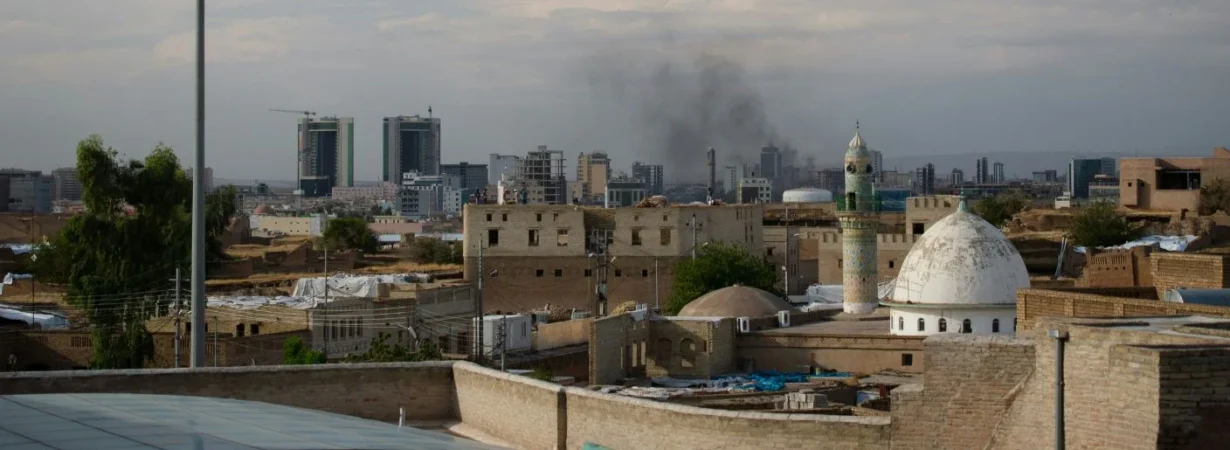
The Iraqi government warns that Iran-supported militias will face terrorism accusations and even capital punishment in case they fail to surrender weapons in state exclusive possession. Iraq militia disarmament, However, as the deadline nears, the Iraqi authorities seem to be reconsidering their decision, which raises suspicions about the fact that Baghdad tries to evade the dangerous confrontation.
Threatened with Terror Accusations, Iraq Factions May Face Capital Punishment
Iraq has established September 30, 2026, as an important date when armed groups will have to surrender their weapons not controlled by the state. September 30 is also a deadline for the final withdrawal of the US-led coalition from Iraq.
Iraqi officials note that the armed militias who are still going to keep independent weapons will have to face charges according to Iraq’s laws against terrorism. In case of serious crimes, capital punishment may wait for those who are accused of terrorism.
Such a demand shows how Baghdad is trying to strengthen the principle according to which only the government of Iraq should possess armed forces and weapons.
Nevertheless, the enforcement of such an order may be extremely difficult due to the significant political and military presence of influential Shia armed factions that are active in Iraq.
Iran-Backed Militias Reject Iraq’s Disarmament Demand
A number of influential groups that support Iran have declined the demand for surrendering their weapons.
Such groups as Kataib Hezbollah and Harakat al-Nujaba claim that their weapons constitute the resistance infrastructure of the country and will be required as long as there is foreign military and political influence on Iraq.
Thus, the refusal of those armed groups has become a serious problem for Prime Minister Mohammed Shia al-Sudani’s administration.
Most of those factions cannot be regarded as just independent armed groups. They are integrated into Iraq’s political and popular mobilization force system, which makes the enforcement of the order about disarming extremely difficult.
Thus, the conflict became much broader – it is now a question of who should decide on the country’s security – the government or armed factions.
Baghdad Seems To Soften its Stance on September 30 Deadlines
Despite earlier threats of the government, the latest statements by the Iraqi officials appear to indicate that a deadline set on September 30 will not necessarily lead to a military offensive for the seizure of militia weapons.
Security sources are now talking about the deadline as a beginning point of dialogues and negotiations as well as disengagement with armed groups.
This may be regarded as an effort by Baghdad to gain more time and avoid a potential arms conflict.
A forced disarmament of major armed groups would carry many risks for the political situation in Iraq. The government would face armed groups possessing weaponry and enjoying some political influence.
Why the Militia Dispute in Iraq Might Escalate
It is very significant what moment this confrontation will happen.
The planned withdrawal of the U.S.-led coalition forces might change the security situation in Iraq when the tension between Iran and the United States is still high.
Such a conflict might also become a part of the bigger regional confrontation.
Thus, for the Iraqi government, the problem is two-fold; on the one hand, it needs to recover its monopoly on weapons, but at the same time, it needs to prevent a confrontation that can cause cracks in the state’s political and security systems.
The coming weeks will tell whether September 30 is indeed going to be a turning point in the Iraqi policy toward militias or just another starting point for negotiations.
What Will Happen after September 30? – Iraq militia disarmament
Perhaps, the most important issue here is how Baghdad will act on its threats.
In case of non-compliance from militias, Baghdad can go on with legal means, seek other means of negotiations, or try to integrate armed forces step by step into official structures.
Any military operation against militias poses far more serious risks than anything else.
So far, it looks like the Iraqi government tends to become more careful about the issue of negotiations rather than confrontations.
Discover more Insights
Explore Iran War Lessons Globally?
Explore how the 2026 Iran war reshapes global power and strategy.
Discover Iran Delay Strategy Tactics?
Discover how Iran uses delay, repression, and proxy influence.
Check Trump Iran Strategy Importance?
Check why Trump’s Iran strategy depends on Gulf allies.
Explore Iran Military Warning Signals?
Explore rising warnings from Iran alarming global powers.
Discover Sudan Iran Axis Threat?
Discover how the Sudan-Iran axis raises serious regional concerns.