
US-Iran War: Trump Is Doubling Down on His Hormuz Ownership Claim, But International Law Doesn’t Back His Bold Assertion
-
Dhivyanshu
- . August 24, 2026
- . Update: August 24, 2026 9:24 pm
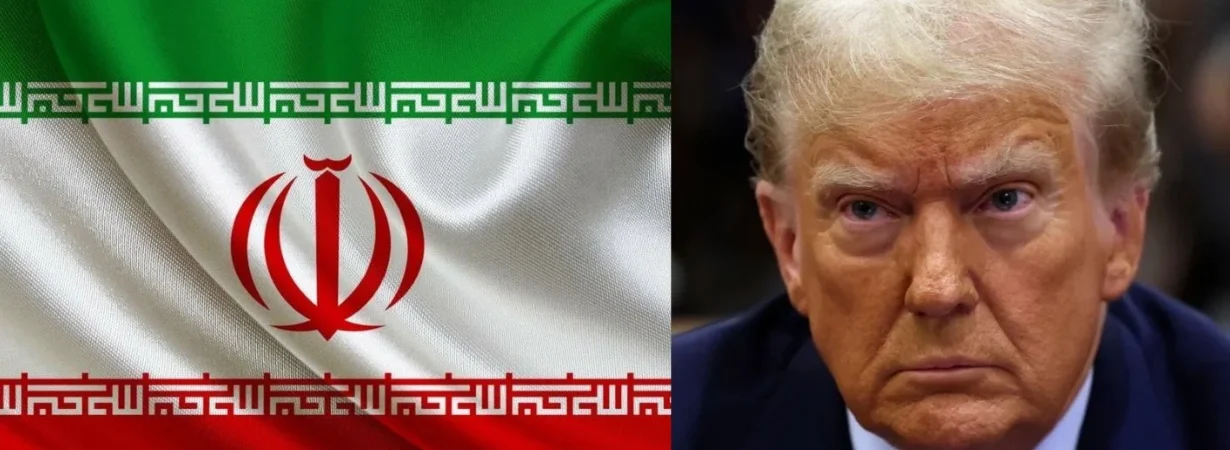
President Donald Trump has spent the past two weeks insisting that the Strait of Hormuz, one of the world’s most vital oil and gas shipping routes, will soon belong to the United States. Trump Hormuz Ownership Claim, Speaking at a rally in New York, Trump told supporters that once Iran is fully defeated, he will declare the waterway American territory. He has since repeated the claim multiple times on Truth Social, including posting a map with the strait circled and labelled “new US territory.”
The problem, according to international law specialists, is that the claim does not hold up against how maritime territory actually works.
Why the Strait Legally Belongs to Iran and Oman
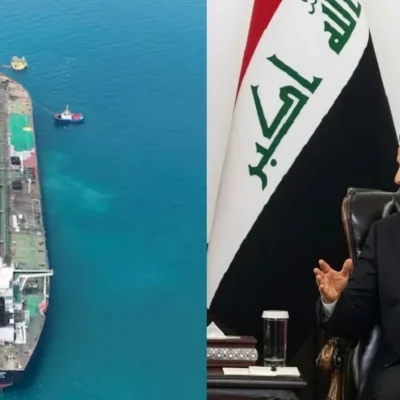
The Strait of Hormuz runs between Iran and Oman, and under the UN Convention on the Law of the Sea (UNCLOS), the waterway falls within both countries’ territorial seas. Around one-fifth of global oil and LNG exports pass through it, which is exactly why control over the strait has become the central flashpoint of the ongoing US-Iran war.
Legal scholars say a presidential declaration alone cannot change who owns that water.
“Under US law, claiming territory by a presidential declaration or decree is not enough. There are important constitutional requirements that must be cleared first,” said Jason Chuah, professor of maritime law at City, University of London.
Simon Baughen, professor of shipping law at Swansea University, went further, saying the only legal route to US ownership would require Iran itself to voluntarily give up its territorial waters in the strait, something he called extremely unlikely. A more realistic outcome, he suggested, might be an arrangement where the US, Iran and Oman jointly manage the strait and charge tolls on vessels passing through it, though he noted even that setup would run against customary international law and UNCLOS provisions.
Iran’s Response Has Been Blunt
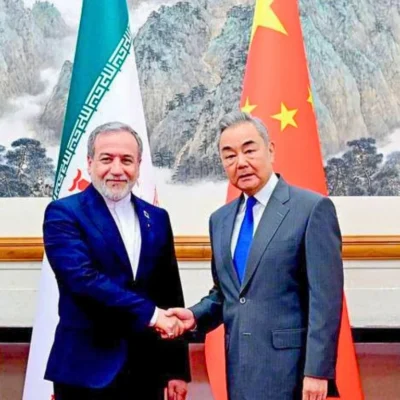
Tehran has not been shy about pushing back. Iran’s Deputy Foreign Minister Kazem Gharibabadi posted online that the strait “cannot be seized by tweet, nor by aircraft carrier, nor by issuing an order, nor by an election speech.” Other Iranian officials have mocked Trump’s claim directly, with one state-linked account sarcastically describing California as “new land belonging to Iran” in response.
A Claim Repeated Even as the War Drags On
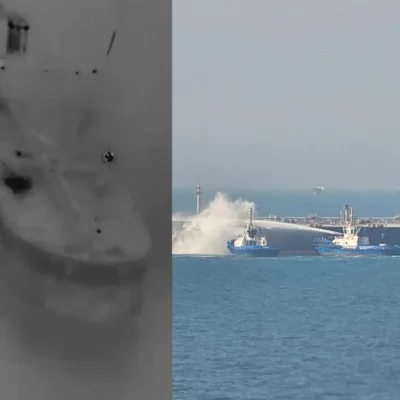
Trump’s territorial rhetoric has come alongside continued military and economic pressure on Iran. The US has maintained a naval blockade since April, and Treasury Secretary Scott Bessent has promised economic isolation measures on Iran that he says have “never been seen” before. Despite Trump’s repeated declarations that the war is largely won, fighting and disruptions in the strait have continued for months, and a Quinnipiac poll from late July found 60 per cent of US voters oppose American military action against Iran altogether.
What This Means Going Forward – Trump Hormuz Ownership Claim
For now, Trump’s Hormuz claim remains a political statement rather than a legal reality. Analysts note that any actual move to annex or formally control the strait would likely require either Iran’s consent, which is not coming, or a broader restructuring of maritime law that no other nation has signalled willingness to support. Until then, the strait remains legally Iranian and Omani territory, even as Washington continues to describe it as something it already controls.
The gap between what Trump is claiming and what international law actually allows is likely to keep shaping how the conflict, and global oil markets, play out in the weeks ahead.
Discover more Insights
Explore Iran War Lessons Globally?
Explore how the 2026 Iran war reshapes global power and strategy.
Discover Iran Delay Strategy Tactics?
Discover how Iran uses delay, repression, and proxy influence.
Check Trump Iran Strategy Importance?
Check why Trump’s Iran strategy depends on Gulf allies.
Explore Iran Military Warning Signals?
Explore rising warnings from Iran alarming global powers.
Discover Sudan Iran Axis Threat?
Discover how the Sudan-Iran axis raises serious regional concerns.