
Egypt Launches Cairo Dialogue Initiative: What the New Platform Is Designed to Do
-
The Arab Post
- . September 7, 2026
- . Update: September 8, 2026 6:50 pm
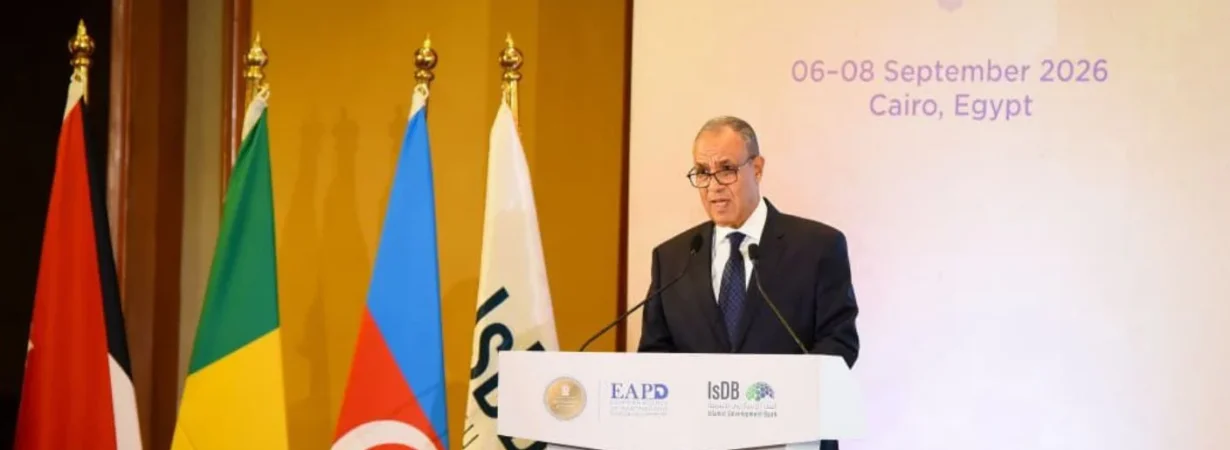
In a multi-dimensional world which faces complex challenges, international cooperation is more crucial than ever. Egypt has taken a leading role by officially opening the Cairo Dialogue for Response on 6th September 2026. The Cairo Dialogue Initiative, launched by Minister of Foreign Affairs, International Cooperation and Egyptian Expatriates Badr Abdelatty, aims to be a ‘hub’ to address the instability and economic difficulties facing the region. Egypt’s emphasis of South-South cooperation will help build resilient development routes for countries facing serious and prolonged crises. It is crucial that global policymakers and economic experts familiar with this new initiative. This new diplomatic platform seeks to accomplish what, and why it is important for the development of the world.
The Genesis of the Cairo Dialogue for Response
The announcement of the new platform came on a very special occasion, at a diplomatic event in Egypt’s capital. Cairo hosted the 7th meeting of the technical cooperation agencies of the Islamic Development Bank (IsDB) member countries for the first time, making it focus of international development strategy.
According to the State Information Service (SIS), it gathered high-ranking ministers, development officials and financial institutions from various countries, including Tunisia, Guinea and Mali. In his address, Foreign Minister Badr Abdelatty stressed the need of the international community to move from individual, isolated responses to emergencies. He said though that the answer to sustainable solutions lies in strong multilateral partnerships, which ultimately led to the establishment of the Cairo Dialogue Initiative.
What Is the New Platform Designed to Do?
The main purpose of the Cairo Dialogue for Response is to actively work to reduce the harmful effects of chronic crises in developing countries. Instead of short-term humanitarian assistance, the platform aims at strengthening the institutions and their economic self-sufficiency.
Key Objectives and Frameworks
It endeavours to build collective resilience through different strategic pillars:
- Expertise Exchange: How to directly transfer developmental knowledge, practical experiences, and Crisis Management strategies between the countries of the Global South.
- Institutional Preservation: Giving essential technical assistance to help prevent the collapse of sovereign government institutions and national capacities under tremendous strain in countries in crisis.
- Partnership Building: Creating cross-sectoral partnerships and multilateral coalitions to utilize the private sector’s technology, innovation, and direct financing to best leverage technical cooperation agencies.
- Investment Stimulation: Make investments in the least developed areas to spur sustainable economic recovery as part of other stability-seeking investments promoted by global financial institutions such as the World Bank.
Strengthening South-South Cooperation
One of the Cairo Dialogue Initiative’s hallmarks is its steadfast support of South-South cooperation. This paradigm of diplomacy and economics is based on the idea that developing nations—categorically with very similar historical, economic and social backgrounds—can offer each other assistance by means of experiences and resources shared by them.
This philosophy was immediately put into practice at the same summit of the Islamic Development Bank (IDB). The Egyptian Agency of Partnership for Development (EAPD) has signed two important memoranda of understanding with their counterparts from Guinea and Tunisia. These agreements create solid frameworks for cooperation between the two countries and the trilateral cooperation, said the official press office of the Ministry of Foreign Affairs, Migration and Egyptian Expatriates. They help to guarantee that the overall vision of the Cairo Dialogue for Response is quickly transferred into concrete development initiatives in Africa and the rest of the Arab world through capacity-building.
The Cairo Dialogue for Response is a new and bold part of Egypt’s diplomatic and economic approach. The Cairo Dialogue Initiative provides an action plan for global resilience, drawing on the wide network of Islamic Development Bank and its technical cooperation agencies. This pledge for South-South cooperation, under the leadership of Badr Abdelatty and with the operation of the Egyptian Agency of Partnership for Development, guarantees a common and dependable platform for countries that are going through a long and painful process for rebuilding, stabilizing and ultimately prospering.
FAQs
Q1: What is the Cairo Dialogue for Response?
A: The plan is a new diplomatic and development effort. It is meant to make South-South ties stronger. It also aims to support countries that are struggling after long crises. The support comes from shared know how, keeping key institutions working, and improving skills.
Q2: Who launched the Cairo Dialogue Initiative?
A: Egypt’s Minister of Foreign Affairs, Badr Abdelatty, made the announcement on September 6, 2026. He said it during a major summit in Cairo.
Q3: Which organizations are involved in executing this vision?
A: The work relies mostly on the Egyptian Agency of Partnership for Development. It partners with technical cooperation bodies from Islamic Development Bank member states.
Q4: Why is the focus on South-South cooperation so important?
A: Many nations in the Global South deal with similar economic and development problems. When they trade local expertise, they can move beyond old Western aid patterns. That helps them build solutions that fit their own conditions and last longer.
Top Picks For You
Discover top Middle East tourist sights?
Explore must-visit landmarks across the region for travelers.
Explore essential apps for Arab travel?
Check must-have apps to simplify your trip planning.
Check common travel mistakes Arab countries?
Discover key errors tourists should avoid during visits.
Explore top Arab festivals for tourists?
Discover unique cultural events across non-GCC destinations.
Check tourist safety tips Arab countries?
Explore essential precautions for safe and smooth travel.