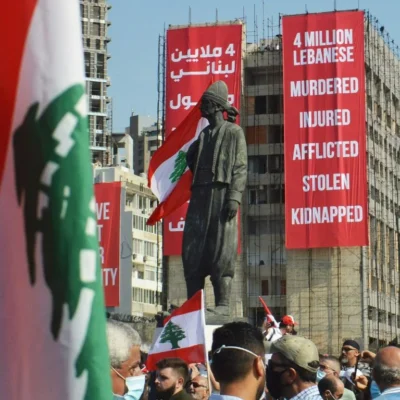

Civilians Bear the Brunt as Israeli Military Raises Stakes in Lebanon, UNIFIL Warns
-
The Arab Post
- . August 18, 2026
- . Update: August 18, 2026 5:34 pm
The UN Interim Force in Lebanon (UNIFIL) has warned that a sharp rise in Israeli military activity across southern Lebanon is taking a heavy toll on civilians, displacing families and disrupting daily routines, according to a report from TRT World.
Lebanon ceasefire, The force said in a statement issued Monday that between August 5 and 16, it recorded an average of 137 projectiles per day, including 208 on Saturday and 185 on Sunday.
“Civilians Are Once Again Paying the Highest Price”
In its statement, UNIFIL said conditions on the ground continue to deteriorate for ordinary residents. “As tensions rise, civilians are once again paying the highest price, with many families displaced or forced to change their daily routines because of insecurity and uncertainty,” the force said.
A Ceasefire That Hasn’t Held
The escalation is notable because it comes months after Lebanon and Israel signed a framework agreement aimed at de-escalation. The latest developments come amid efforts to consolidate security arrangements linked to a “framework formula” agreement signed by Beirut and Tel Aviv on June 26.
The agreement calls for a gradual Israeli withdrawal from all occupied Lebanese territory, after which Lebanese army forces are expected to deploy into vacated areas. It also calls for the disarmament of armed groups, in reference to Hezbollah. Despite this, the agreement, brokered by the United States, did not specifically call for the withdrawal of Israeli forces, which continue to occupy several parts of southern Lebanon.
Ground Activity and Unexploded Ordnance
Beyond the projectile count, UNIFIL peacekeepers reported extensive Israeli military movement on the ground during the same period, including large-scale armoured deployments and engineering activity across the mission’s area of operations, according to a UN spokesperson’s briefing.
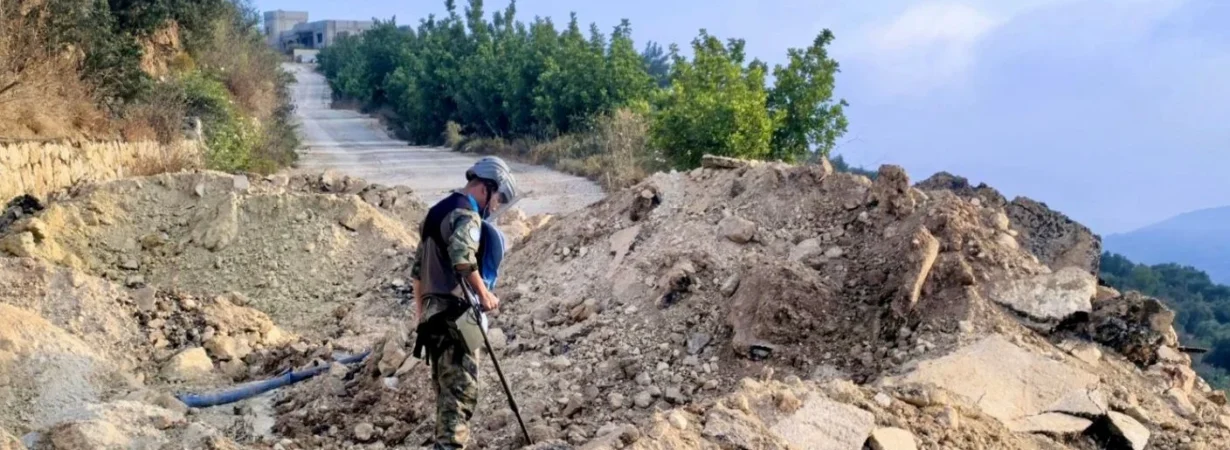
Peacekeepers also continued to encounter explosive hazards left behind from prior fighting, including improvised explosive devices and unexploded ordnance discovered and safely neutralised in coordination with the Lebanese Armed Forces.
Wider Concerns Over UNIFIL’s Future
The warning comes at a sensitive moment for UNIFIL itself. The force’s mandate in southern Lebanon is due to expire at the end of 2026, and international debate over its future has intensified even as violence on the ground continues.
Human Rights Watch has said the security situation in southern Lebanon has worsened significantly since UN Security Council members were told a year ago that conditions had improved, and has called for an international force to remain in place to help protect civilians as Israeli military activity continues.
What This Means Going Forward – Lebanon ceasefire
The gap between the formal ceasefire framework and the reality on the ground in southern Lebanon remains wide, with civilians caught in between.
As the debate over UNIFIL’s withdrawal timeline continues alongside near-daily military activity, the coming months are likely to test whether diplomatic efforts between Beirut and Tel Aviv can translate into an actual reduction in violence, or whether the current pattern of displacement and disruption for Lebanese communities will continue.
Discover more Insights
Explore Iran War Lessons Globally?
Explore how the 2026 Iran war reshapes global power and strategy.
Discover Iran Delay Strategy Tactics?
Discover how Iran uses delay, repression, and proxy influence.
Check Trump Iran Strategy Importance?
Check why Trump’s Iran strategy depends on Gulf allies.
Explore Iran Military Warning Signals?
Explore rising warnings from Iran alarming global powers.
Discover Sudan Iran Axis Threat?
Discover how the Sudan-Iran axis raises serious regional concerns.