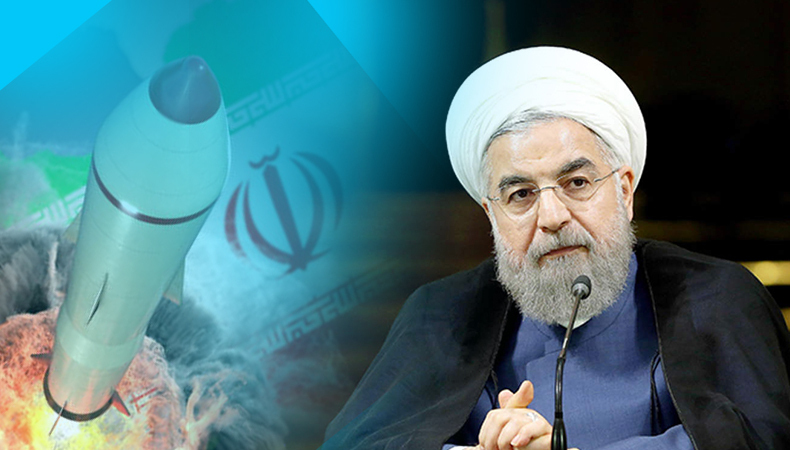

 Iran–This year negotiating talks to revive Iran nuclear deal, also called as JCPOA (Joint Comprehensive Plan of Action), in Vienna have largely been inconclusive. While the west is led by highly desperate to crack the deal Biden administration of United States, Iran is not going in easy with its own set of terms and conditions. The west and IAEA (International Atomic Energy Agency) are now concerned, hence the desperation for deal, over rapidly progressing nuclear programme of Tehran.
According to IAEA chief, Rafael Grossi, Iran’s nuclear programme is “galloping ahead” and the agency has just little visibility of what is happening. “The bottom line is that for almost five weeks I have had very limited visibility, with a nuclear programme that is galloping ahead and, therefore, if there is an agreement, it is going to be very difficult for me to reconstruct the puzzle of this whole period of forced blindness,” he said.
But Tehran is in no hurry and wants to have a profitable agreement for it while not negotiating to enter a “quick” deal. “They demand that Iran makes a quick decision, (insisting that) time is limited and Iran must respond quickly,” foreign ministry spokesman Nasser Kanani has said at weekly news conference, referring to the Western parties to the Iran nuclear deal. He added that the Islamic Republic will “not sacrifice the country’s fundamental interests… with a rushed process.”
Related Posts

“Iran has not left the negotiating table,” he stressed, adding, “The process of negotiations in [Vienna] lasted for several months, and entered a new phase in [the Qatari capital city of] Doha following a respite. In spite of comments that US authorities occasionally make regarding the negotiation process and the psychological pressures as well as its unilateral demands from Iran to quickly make a decision and warnings that time is running out, Iran will neither act emotionally nor hastily in this regard and will not sacrifice the interests of the country and the nation.”
On Thursday, US State Department spokesman Ned Price said Iran “doesn’t seem to have made the political decision — or decisions, I should say — necessary to achieve a mutual return to compliance with the deal”.
The West is still hopeful. French President Emmanuel Macron told his Iranian counterpart Ebrahim Raisi, on Saturday, that “reviving the landmark deal was still possible but must happen as soon as possible.”