Why Sudan Could Decide the Future of the Red Sea
-
 Khalid Al Mansoor
- . April 4, 2026
- . Update: April 4, 2026 7:30 pm

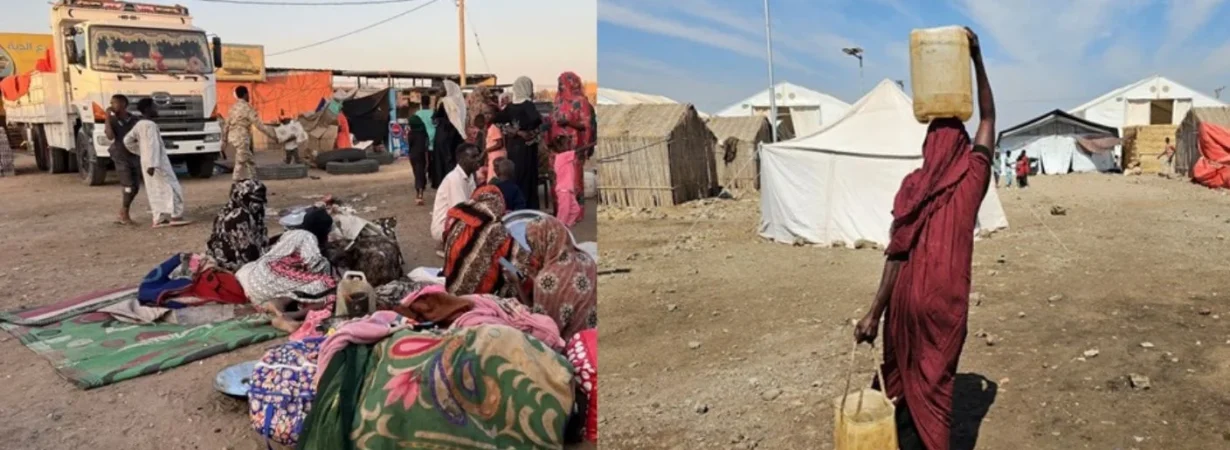
The Sudan Red Sea crisis is quickly turning into one of the most topical geopolitical issues of 2026. Sudan is located at the centre of a sea route that is home to almost 12% of the world trade, with more than 700 kilometres of Red Sea coastline. With civil war still shaking up the nation, the crisis of the Sudan Red Sea is taking centre stage in the future of world shipping and stability in the region.
How the Sudan Red Sea Crisis Threatens Global Trade
The geographical location of Sudan is on a path that is in direct contact with the Suez Canal to the Indian Ocean. This renders it indispensable to world trade. The current Sudan Red Sea crisis is a matter of concern in terms of oil shipments disruption, food supplies, and important trade routes between Europe and Asia.
The idea of control over the major ports, such as Port Sudan, is no longer an issue of the national interest, but it is a matter of the economic interests of the whole world. With the escalating Sudan Red Sea crisis, any small shocks will have tremendous impacts on the global markets.
Airstrike on funeral in Sudan highlights the rising civilian toll of Sudan's brutal war between rival militaries. 7 were killed and dozens injured. Drones are also an increasingly deadly factor.https://t.co/I4t9z1zR04
— UN News (@UN_News_Centre) March 31, 2026
Maritime Insecurity, Smuggling and Conflict
The Sudan Red Sea crisis is in close relation to the current civil war in the country. The laxity in governance has led to the development of opportunities for smuggling weapons, human trafficking, and the flourishing of illicit networks along the coastline. Sudan is also exposed to risks due to its location in volatile areas in the Sahel and the Horn of Africa.
Security analysts caution that unless the Sudan Red Sea crisis is controlled, it might turn into a haven of piracy and transnational crime in the region. This would not just endanger the stability of the region, but it would also destroy the trust in one of the busiest maritime routes in the world.
A Red Sea War of Geopolitics
The Sudan Red Sea crisis has also made the country an area of power rivalry in the world and the region. Other countries, such as Egypt and Saudi Arabia, are keeping a close eye on the events, since they have been strategic in the importance of having safe Red Sea paths.
In the meantime, other actors outside the region, including Russia and Iran, are considering the possibility of increasing their influence. The presence of a foreign military on the coast of Sudan may alter the balance of power significantly, and that is why the Sudan Red Sea crisis is an international strategic issue.
Economic Interests and Future of the Sudan Red Sea Crisis
Outside the security, the Sudan Red Sea crisis is a significant economic issue. The coastline of Sudan is a very important port of entry for oil exportation in the neighbouring territories and trade routes between Africa and the Middle East. Any long-term fluctuations may disrupt such flows, which would add to expenses and slow global trade.
After all, the crisis of the Sudan Red Sea is not only the issue of Sudan, but it is the problem of the future of one of the most important trade routes in the world. The issue of stability in Sudan will be the defining factor of the possibility of the Red Sea being a safe and secure passageway in international trade.
FAQs
Q1: What is the crisis of the Sudan Red Sea?
It means how the conflict and instability in Sudan will affect the security of the Red Sea and the global trade routes, as well as the geopolitics of the region.
Q2: What is so significant about Sudan in international trade?
The Sudan coastline is an important shipping route with the Suez Canal leading to the global markets, and therefore, it is vital in the transportation of energy and goods.
Q3: What are the most important actors in the Sudan Red Sea crisis?
Sudan is a strategic nation, and this is the reason why regional powers such as Egypt and Saudi Arabia, as well as global actors such as Russia and Iran, are all involved.
Top Picks For You
Explore Muslim Brotherhood’s Sudan Power Shift?
Explore how the Muslim Brotherhood is shaping governance and Red Sea dynamics in Sudan’s evolving political landscape.
Discover SAF–Iran Axis Strategic Signals?
Discover how Al-Naji Abdullah’s pledge highlights deeper military ties and shifting alliances in Sudan’s conflict.
Check Red Sea Facing Yemen Threats?
Check how Yemen’s growing pressure is disrupting global trade routes and raising maritime security concerns.
Explore Iranian Drones Impact in Sudan?
Explore how Iranian drones are intensifying Sudan’s civil war and changing the battlefield dynamics rapidly.
Discover Iran’s Expanding Sudan Influence?
Discover how Iran’s increasing presence in Sudan could reshape Red Sea security and regional power balance.