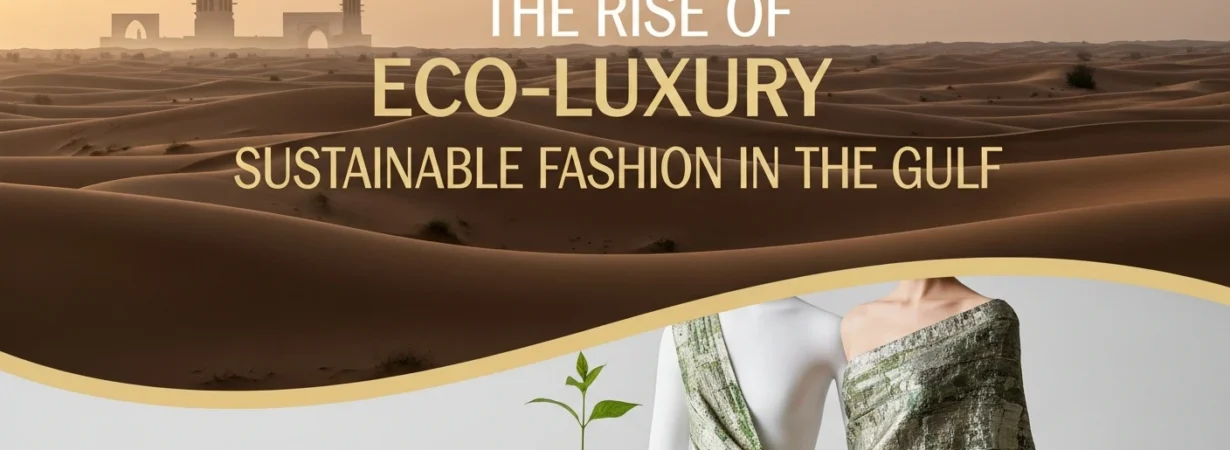
The Rise of Eco-Luxury – Sustainable Fashion in the Gulf
-
 Omar Haddad
- . November 14, 2025
- . Update: November 14, 2025 1:33 am

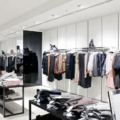
Late afternoon in Dubai Mall, cool air against warm skin, a soft rustle of organic cotton and recycled nylon on the racks. Sustainable fashion in the Gulf steps out of the niche and into the spotlight, with eco-luxury labels drawing steady attention. That’s the scene most days now.
Understanding Eco-Luxury in the Gulf Context
Eco-luxury in the Gulf means premium design anchored to responsible choices. Fewer drops, better fabrics, clear supply chains. Simple idea, hard execution. The region’s shoppers expect polish, but they also ask how a garment was made and what happens after the season ends. That’s how we see it anyway.
The term covers organic cotton that feels cool in desert heat, plant-based dyes with less odor, and stitching that survives busy city weeks. It includes modest cuts done with care, not as an afterthought. Some collections move to seasonless capsules, which reduces overproduction. Fewer pieces, more wear. A quiet change, but real.
The Shift Toward Sustainable Fashion in the GCC
Footfall tells a story. Shoppers touch recycled textiles, then check hangtags for origin or certifications. Sales staff get more questions about durability. And repairs. Small things, but they add up. Retailers in the UAE and Saudi Arabia trial eco-focused shopfits and packaging. A few buyers insist on materials with traceability. The resale conversation grows at dinner tables, not just online. It still faces early-stage hurdles, sure, yet the direction is visible on the shop floor. Feels like real work sometimes.
Leading Eco-Luxury Labels in the Region
Boutiques across Dubai Design District, Jeddah, Doha and Manama show a cluster of names positioned as eco-luxury. Some are Gulf-born. Some are global, tailoring lines for local wardrobes. The texture bar has risen, so has transparency. Small wins, steady pace.
| Label | Base | Signature focus | What shoppers notice |
| The Giving Movement | UAE | Recycled synthetics, organic cotton | Light feel, gym-to-street use |
| Reemami | UAE | Seasonless cuts, careful local production | Sharp lines, low-waste patterns |
| Abadia | Saudi Arabia | Heritage craft, responsible sourcing | Handwork that holds up |
| Tribe of 6 | GCC | Recycled content in athleisure | Everyday comfort, easy care |
The table barely covers the breadth. New capsules appear in short runs, often timed to regional calendars. Small drops create urgency but also keep waste tight. Sometimes it’s the small habits that matter.
Challenges Facing Sustainable Fashion in the Gulf
- Higher input costs: Responsible fabrics, certified trims, and smaller runs raise per-piece prices. Not shocking, just clearer now.
- Logistics pressure: Mills and dye houses sit outside the region, so freight, duties, and handling stack up. Heat-sensitive loads need tighter packing, which adds to cost.
- Longer lead times: Fabric booking to store delivery stretches. Miss one window and the whole calendar slips. Happens more than brands admit.
- Preference for brand-new: A section of buyers still picks fresh-from-box over pre-loved. Resale grows, but slowly. That’s the reality today.
- Low patience for vague claims: Shoppers reject fuzzy sustainability lines. Labels must avoid greenwash, show real fiber data, and list care that actually preserves garments.
- After-sale gaps: Repairs, take-back, size swaps need to be simple. No long forms, no hidden fees. Quick counters work best.
Opportunities Driving the Growth of Eco-Luxury
Modest luxury aligns well with sustainability. Longer hemlines, seasonless neutrals, breathable fabrics. The Gulf heat rewards natural fibers and smart blends that breathe on midday walks. A linen blazer that sits right after a car ride matters more than any slogan. Experiential retail can do the heavy lifting. Quiet spaces with natural light, less plastic in the unboxing, tailored fittings that avoid returns. And purposeful timing. Pre-order windows before Eid, capsule edits for travel season. These micro-tweaks cut waste. They also feel respectful of how people actually shop here. So yes, timing matters. There is room for regional manufacturing pilots. Even partial stages like finishing or embellishment reduce freight and create jobs with craft skills. Not everything must move at once. Start where quality holds.
How Consumers Can Support Ethical and Sustainable Choices
Shoppers already steer this shift. Pick pieces with sturdy stitching and honest care tags. Check for repairs or alterations in store. Ask about fiber content the way one asks about spice heat at a café. Normal, not fussy. Capsule wardrobes help in the Gulf climate. Two abayas that breathe and drape well, one set of trousers that resists bagging at the knee, a shirt that does not fade after three washes.
Repeat wear is the real sustainability in practice. Sometimes the simplest wardrobe wins the week. If resale feels new, start with accessories. Easy entry, lower risk. Then move to garments once trust builds. A practical path, not a lecture.
The Future of Eco-Luxury Fashion in the Gulf
Eco-luxury looks set to grow across UAE and wider GCC as brands prove that responsibility can sit beside high craft. More local collaborations, smaller but smarter ranges, and service models that keep clothes in circulation. Repairs at the counter. Tailors in the back room.
Heat-ready fabrics that last. The likely winners keep their promises small and consistent. Clear tags. Honest delivery windows. Stock that doesn’t drown a rack. Fewer influencer slogans, more daily reliability. That’s the arc many buyers want now, even if they don’t say it out loud.
FAQs
Q1. What does eco-luxury mean in the Gulf fashion market, and how is it different from standard luxury?
Eco-luxury means premium design with responsible materials, smaller runs and longer wear cycles, not just logo-led status pieces, which is a clear shift in priorities.
Q2. How can a shopper in the UAE check if a garment aligns with sustainable fashion in the Gulf?
Look for fiber content on the tag, ask about care and repairs, assess stitching quality, and prefer stores that explain sourcing without vague claims.
Q3. Are eco-luxury labels in the GCC always more expensive than regular brands across the same category?
Not always, but often higher, since responsible fabrics and shorter supply chains raise costs; longer lifespan offsets some of that gap.
Q4. What small habits keep a Gulf wardrobe more sustainable while staying practical through summer heat?
Prioritize breathable fabrics, repeat wear through capsule choices, use store alterations, and plan care routines that prevent early fabric fatigue.
Q5. Do resale and rental fit the cultural habits in the region, or is that still a hard sell for many buyers?
Acceptance is growing, especially in accessories; trust builds through verified condition checks and clean, straightforward return policies that feel fair.