Top 10 Budget Travel Tips for Morocco 2025 | Save Smartly
-
 Layla Nour
- . October 6, 2025
- . Update: October 6, 2025 5:58 pm

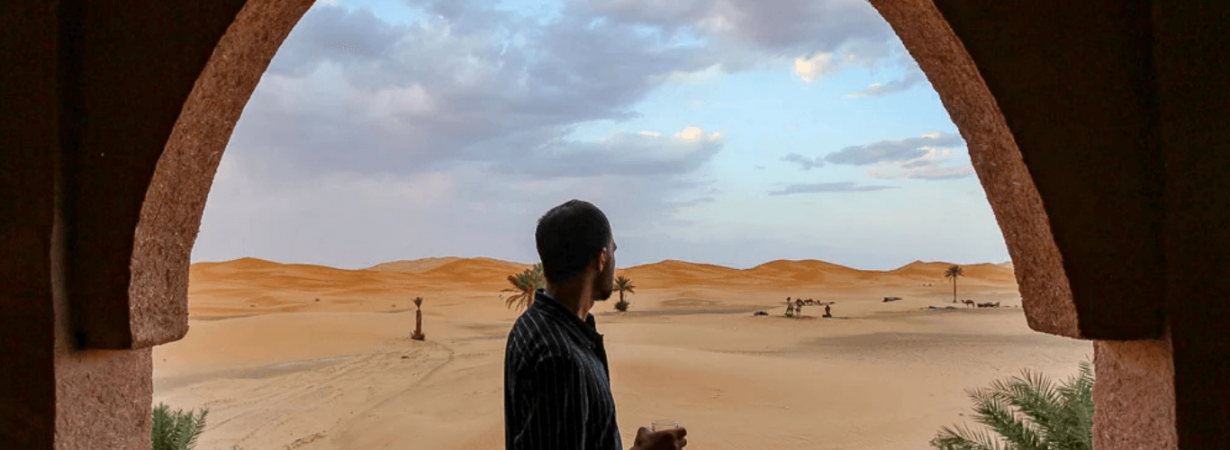
The streets of Morocco tell stories long before the guidebooks do. Call to prayer drifts through old walls, mingling with the scent of fresh bread from a corner stall. For travellers across Arab countries, the search for budget travel Moroccotrips keeps growing.
The country still feels alive, colourful, and affordable in 2025. With the right timing and choices, a person can stretch every dirham while tasting everything from desert air to mint tea. The trick isn’t luxury—it’s knowing where locals eat, sleep, and move.
Average Daily Budget Table for Travellers in Morocco (2025)
| Category | Estimated Cost (MAD) | Notes |
| Accommodation (Hostel/Riad) | 100–200 | Breakfast often included |
| Food (Local cafés & street meals) | 60–120 | Tagines, lentil soup, bread, mint tea |
| Local Transport | 20–50 | Shared taxis and buses |
| Intercity Travel | 60–150 | ONCF trains or CTM buses |
| Attractions | 10–60 | Museums, gardens, entry tickets |
| Average Daily Total | 250–550 MAD | Around USD 25–55 per day |
Top 10 Budget Travel Tips for Morocco in 2025
Morocco doesn’t punish small budgets. It rewards smart travellers. Spending wisely is less about sacrifice and more about paying attention—when to travel, where to stay, what to skip.
1. Travel During the Shoulder Season
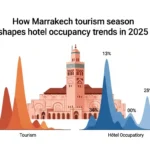
Spring and autumn are the sweet spots. Days stay warm without the heavy crowds. Riads slash prices, and taxis don’t double fares. In April, Chefchaouen smells of citrus, not tourist perfume.
2. Use Local Transport Options
Shared taxis—grand taxis—run between cities like clockwork. Seats fill, and then they go. Trains glide quietly across flat plains, with windows full of changing skies. Fares stay low and reliable.
3. Stay in Riads, Guesthouses, or Hostels
Hidden inside medinas, small riads cost less than chain hotels. Rooms open into courtyards where birds bathe in fountains. The owners usually serve homemade bread and olive oil for breakfast.
4. Eat Local Street Food and Market Meals
Morocco’s real kitchen lives outside restaurants. Steam rises from tagine pots, and trays of sardines shimmer by roadside grills. A few coins buy warm bread, lentils, and mint tea that calms the day’s rush.
5. Bargain Politely in Souks and Markets
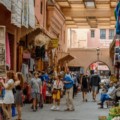
Negotiating is part of the rhythm here. Merchants expect it; they enjoy the game. A smile often lowers prices faster than a frown. Starting with half the quoted price usually lands near fair.
6. Focus on Free and Low-Cost Attractions
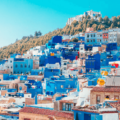
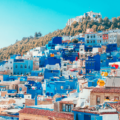
Not everything worth seeing comes with a ticket. The blue lanes of Chefchaouen, Marrakech’s Djemaa el-Fna at sunset, or a coastal walk in Essaouira—all cost nothing. The country itself is the museum.
7. Choose Local Tour Operators Wisely
Many travellers overpay for Sahara trips booked abroad. Local operators in Merzouga or Zagora charge less and offer the same tents under the same stars. Always compare before confirming.
8. Get a Local SIM or eSIM for Cheaper Internet
At airport kiosks or small stores, Maroc Telecom and Orange sell prepaid cards. Ten gigabytes cost less than a meal in a tourist café. Coverage stays steady through cities and highways.
9. Manage Money and Card Fees Smartly
ATMs charge per withdrawal, so larger sums save money over time. Shops in rural areas prefer cash. Using dirhams directly avoids sneaky conversion losses common in card payments.
10. Save for a Few Worthy Splurges
A night in a desert camp or a hammam in Marrakech deserves a small slice of the budget. Spending selectively makes the rest of the journey smoother. Some comfort balances the grit of travel.
Smart Packing Tips for a Low-Cost Moroccan Trip
Packing for Morocco demands more thought than style. Streets twist and narrow; dragging a heavy suitcase feels like punishment after one block. Backpacks win. Clothes need to match the temperature swing—chilly mornings, hot afternoons, cool evenings. A light scarf keeps dust away during desert rides and doubles as modest wear in mosques.
Refillable bottles cut the cost of constant water purchases. Local pharmacies sell everything from soap to sunscreen, so there’s no need to carry too much. Shoes matter most; cobblestones can be brutal on weak soles. Travellers often say comfort begins at the feet, and Morocco proves it.
FAQs
1. What is a realistic budget for a week in Morocco?
Around 1,800 to 3,500 dirhams covers food, accommodation, and intercity transport for most budget travellers.
2. Is Morocco safe for solo or women travellers on a budget?
Yes. Many female-run riads and hostels operate across major cities. Staying near main medina gates and using official taxis adds peace of mind.
3. How reliable is Morocco’s public transport?
Trains between Rabat, Casablanca, and Tangier are dependable. CTM and Supratours buses connect smaller towns smoothly.
4. Can digital payments be used easily in Morocco?
Major cities accept cards, but cash remains essential. Small markets, taxis, and cafés prefer dirhams.
5. Which foods are cheapest and still authentic?
Tagines, lentil soups, and street sandwiches made with fresh khobz bread cost less than imported fast food and taste far better.