Top 10 Nile Cruise Experiences Every Traveler Must Try
-
 Fatima Saif
- . October 7, 2025
- . Update: October 7, 2025 3:25 pm

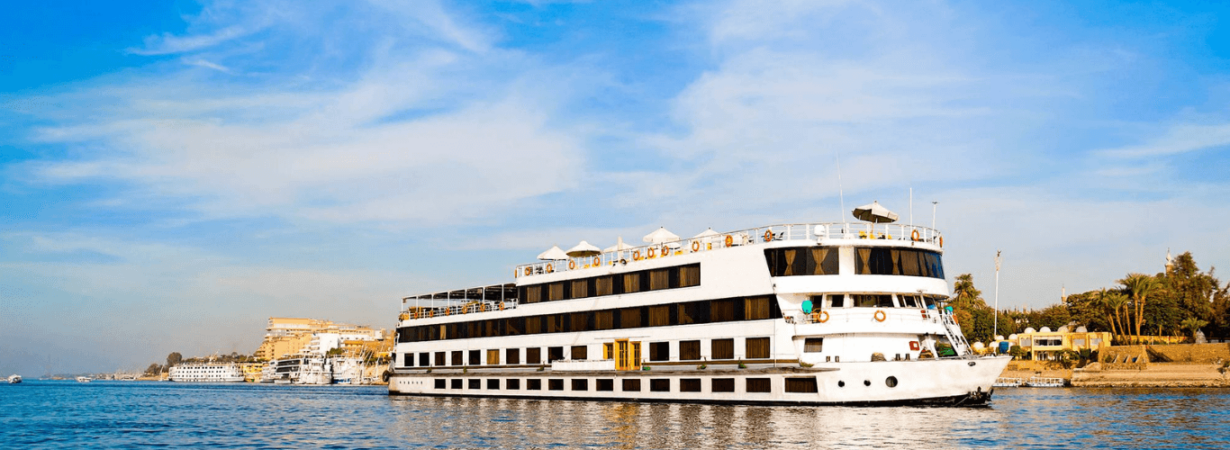
The Nile moves like a thought that never ends. Its current is slow, steady, almost meditative. Every traveler who takes a Nile cruise says the same thing in different words — that the river has a strange way of making time feel softer.
Across Arab countries, the Nile cruise experience remains one of the most meaningful ways to see Egypt. The temples, the quiet decks, the smell of spice and stone — it stays long after the journey ends.
Comparison of Nile Cruise Routes and Durations
| Route | Duration | Highlights | Ideal Season |
| Luxor to Aswan | 4–5 days | Valley of the Kings, Kom Ombo, Edfu | October to April |
| Aswan to Abu Simbel | 3–4 days | Philae, Lake Nasser, Nubian villages | November to March |
| Cairo to Luxor | 7–10 days | Dendera, Abydos, ancient temples | October to February |
| Dahabiya Cruise | 5–6 days | Private sailing, smaller groups | Year-round |
| Lake Nasser Cruise | 4–5 days | Desert landscapes, Abu Simbel | Winter months |
Top 10 Nile Cruise Experiences to Enjoy in Egypt
A Nile cruise isn’t about ticking off monuments. It’s about rhythm — the slow passing of palm trees, the soft hum of the motor, and the long afternoons when the light turns everything gold. Egypt’s oldest stories flow beside it.
1. Sunrise at Luxor’s Karnak Temple
Mornings at Karnak are colder than you expect. Steam rises from tea cups as the first light hits the columns. The walls glow orange, and the sound of birds echoes off the stone. People stop talking for a moment. It feels alive, even after thousands of years.
2. Sailing Past Kom Ombo
Kom Ombo sits right on the riverbank. Two temples side by side — one for Sobek, the crocodile god, and one for Horus. The wind here carries sand and a faint smell of the river. The carvings still look sharp, like someone finished them yesterday.
3. Visit to Edfu Temple
The horse carriages from the dock are chaotic. Drivers shout, bells jingle, and the road kicks up dust. Then the temple appears, calm and enormous. Inside, the air is cool. Every wall tells the story of battles between gods. You can almost hear them.
4. Dinner on Deck Under a Starlit Sky
Evening falls slowly. The deck lights turn on, and the smell of grilled fish fills the air. Someone laughs softly. The water glitters in the dark. Stars stretch wide over the river. The only thing you hear is the sound of waves touching the boat’s side.
5. Stopping at the Valley of the Kings
The heat hits the back of your neck the moment you step off the bus. Inside the tombs, it’s quiet and cool. The paint on the walls still shines — deep reds, clean blues, lines carved with care. It doesn’t feel like ruins. It feels paused.
6. Visit to Philae Island
The small boat ride to the temple takes just a few minutes. The temple rises from the water like a dream. Palm trees frame it perfectly. The sound of oars against the surface, the laughter of guides — all of it mixes into something that feels peaceful and real.
7. Nubian Village Excursion
Houses are painted in wild colors — turquoise, pink, yellow. Goats wander freely. The smell of coffee and cardamom floats in the air. A local woman draws henna on travelers’ hands while children splash by the river. It’s unpolished, warm, and full of life.
8. Crossing Lake Nasser
This part of the trip feels endless. The horizon melts into the water. The wind gets stronger here, dry and clean. Sometimes, no one speaks for half an hour. The stillness feels earned, like the world decided to pause for those on board.
9. Visit to Abu Simbel Temples
The statues of Ramses II stand against the desert like giants. The light in the morning hits their faces just right — perfect symmetry, perfect silence. Every traveler who stands there ends up doing the same thing: lowering their camera and just looking.
10. Relaxing Day at Aswan
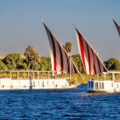
The cruise ends quietly. Feluccas slide past with sails bright against blue water. The air smells faintly of cinnamon from nearby spice shops. Locals call out from the docks. There’s a rhythm to it — not goodbye exactly, more like “come back someday.”
Cultural Essence of the Nile Experience
A Nile cruise shows Egypt’s daily life in real motion. Farmers walk with donkeys near the water. Fishermen cast nets at dawn. Children shout from the banks, waving as the boats pass. It feels alive, not staged.
For many Arab travelers, the cruise feels both familiar and distant — like home, but older. The food tastes like comfort: grilled meats, rice, strong tea with mint. Every stop adds a new piece of Egypt — some grand, some ordinary, but all connected by the same river.
On deck, people talk about small things. Someone complains about waking up early for tours. Another jokes about the heat. These little moments tie the trip together more than any temple could. The river becomes part of the group — silent, patient, always there.
FAQs
1. What is the best time for a Nile cruise?
Between October and April, when days are mild and the river breeze stays cool.
2. How long does a typical cruise last?
Most run four to seven days, depending on the route and included stops.
3. Are Nile cruises good for families?
Yes. Most ships offer family cabins, guided tours, and onboard safety for all ages.
4. Where do most cruises start?
Most itineraries begin in Luxor or Aswan, though a few extended options start in Cairo.
5. What should travelers pack?
Light clothing, hats, sunscreen, and modest wear for temples. A small scarf helps against desert dust.