Why Winter Is the Best Time for Shopping in Morocco
-
 Fatima Saif
- . December 15, 2025
- . Update: December 15, 2025 12:35 am

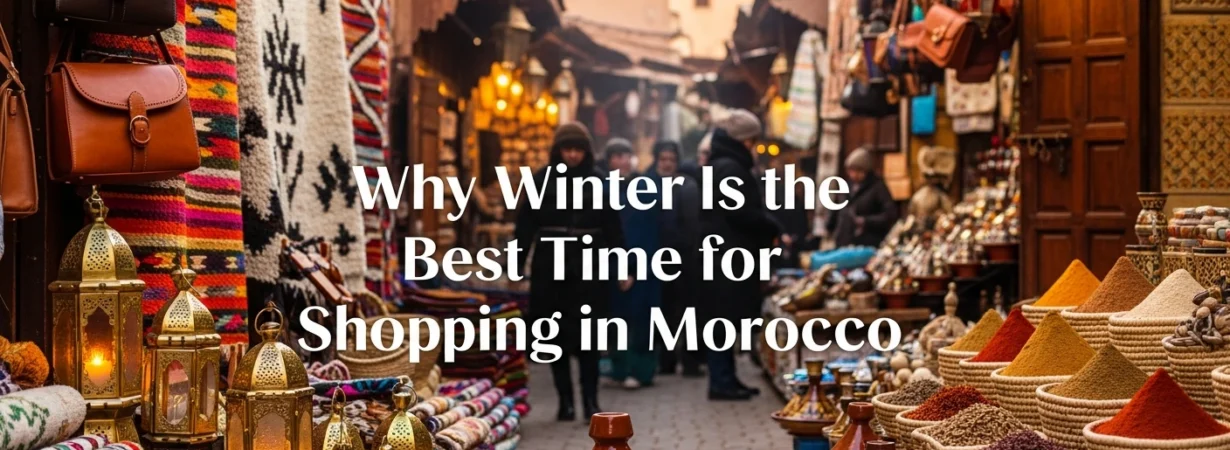
Winter shopping in Moroccan souks usually lines up with cooler temperatures and clear skies, so long hours in crowded markets feel less tiring. The air stays crisp, not harsh, and fabric, leather and spices seem easier to compare when the heat is not pressing on every step.
Tour groups arrive in steady numbers during December and January, and retailers respond with fuller displays, gift packs and fresh stock. Locals say winter traffic feels serious, not just casual browsing. Families arriving from Europe for short breaks, Gulf tourists looking for wool and home items, and domestic shoppers preparing for gatherings all meet in the same lanes, and that overlap keeps the season busy. Sometimes it feels like the souks barely pause.
How Moroccan Souks Operate During the Winter Season
Moroccan souks follow a familiar rhythm through the year, but winter shifts the pace slightly. Shops still open late morning, stall shutters go up one by one, and by early afternoon the main arteries of each market turn noisy. The difference in winter is the stamina of both traders and visitors. Heat does not chase people away so fast.
Evening trade stretches longer, with many alleys active till late night, especially in tourist-heavy centres. Some small craft workers move production to back rooms or rooftops during colder nights, keeping public areas more focused on display and selling. It looks chaotic at first glance, though stall owners often track regular customers and repeat tourist groups with quiet precision. That is how many of them survive slow days.
Winter Shopping Trends in Moroccan Souks
Across the season, certain patterns repeat. Textile corners stay fuller, carpet stacks grow taller, and wool garments leave racks faster than light cotton pieces. Traders report stronger interest in items that feel useful at home during cooler months, not just decorative.
Colours also shift slightly in winter shopping & souk trends in Morocco. Deep reds, burnt orange, dark blues show up more in cushions, blankets and pottery collections on display. Fragrance stalls notice better sales of heavier spice mixes and herbal infusions linked with colds and sore throats. Nothing dramatic on its own, but the small changes add up, and traders watch them closely each year.
Most Popular Cities for Winter Souk Shopping
Certain cities keep pulling most of the winter souk shopping crowd. Each works in its own way.
Marrakech usually leads the list, with its central medina and lanes off Jemaa el Fna packed with leather shops, lantern makers, carpet sellers and small herbal counters. Winter evenings there can feel crowded, yet many visitors still call it the main stop for Moroccan souks. That is the reputation now.
Fes attracts travellers who want older medina streets, quieter corners and long-established textile and pottery families. Essaouira adds sea wind, slower bargaining and a slightly calmer pace, useful for visitors tired after bigger cities. Casablanca serves as an urban base, where markets sit closer to malls and structured retail, which helps those who like both styles in one trip, even if it looks less romantic on camera.
What to Buy in Moroccan Souks During Winter
Winter shopping in Moroccan souks leans heavily toward warm, practical items, with a few predictable favourites repeating each year. A short list appears again and again in visitor bags.
Common winter picks include:
- Wool djellabas, shawls, scarves, heavier blankets
- Handwoven rugs sized for flats and small homes
- Leather bags, belts, travel pouches and traditional slippers
- Spice mixes for slow cooking, tea blends, medicinal herbs
- Metal lanterns, tea glasses, small pottery sets for gifts
Many travellers start with small items like tea glasses or a bag of spices, then circle back for a bigger piece, usually a rug or leather jacket. Traders know this pattern quite well, and will casually remind visitors who hesitated earlier that the same piece might not wait forever. Sometimes that is true, sometimes not.
Winter Souk Shopping Comparison Table
A quick look at how key winter souk experiences differ across major Moroccan cities is set out below. It is not scientific, just how regular visitors and traders often describe it.
| City | Winter crowd feel | Strongest winter buys | Typical bargaining style |
| Marrakech | Busy, loud, layered | Leather, rugs, lanterns, spices | Lively, multiple counter offers |
| Fes | Dense but traditional | Textiles, pottery, brassware | Slower, relationship focused |
| Essaouira | Relaxed, breezy | Woodwork, art, argan products | Softer, less pressured |
| Casablanca | Mixed, more urban | Everyday goods, some crafts | Short, more price anchored |
Many agents and tour guides use a table like this while planning winter shopping in Morocco itineraries, even if it stays in a notebook rather than a brochure. That is often enough.
FAQs
1. Is winter shopping in Moroccan souks comfortable for long walks and serious buying trips?
Winter air stays cooler, streets feel less exhausting, and shoppers usually manage longer routes across souks without heavy fatigue, so detailed price checks and repeat visits become easier.
2. Do traders change their stock for winter shopping in Morocco or keep the same items year round?
Many traders quietly adjust stock for winter, bringing forward wool, rugs, heavier clothing and herbal items, while still keeping standard souvenirs visible for first time visitors and quick purchases.
3. Are prices in winter souk shopping periods higher due to tourists or more flexible for negotiation?
Sticker prices can rise with tourist waves, yet serious bargaining still brings totals down, especially when buyers compare shops, stay calm, and show clear interest in more than one item.
4. Which city gives the most balanced winter souk shopping experience for first time travellers to Morocco?
Marrakech usually draws first timers, but a mix of Marrakech for energy and Essaouira for quieter streets and sea air often creates a steadier experience for cautious or older visitors.
5. Are Moroccan souks open during rain or colder days in the winter season, or do many stalls close early?
Most souk lanes remain active through light rain and cold evenings, though a few open-air stalls may close earlier, while core textile, spice and leather shops continue almost as usual.