7 AI Apps Revolutionizing Productivity in 2025
-
 Fatima Saif
- . August 2, 2025
- . Update: August 2, 2025 10:52 pm

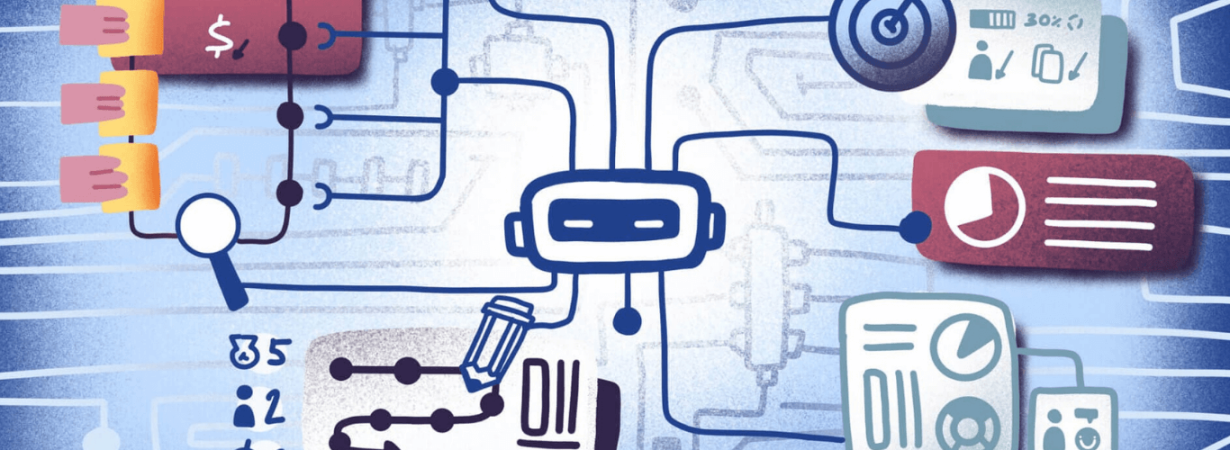
In 2025, AI-driven productivity apps are no longer limited to generic task automation—they now deliver hyper-personalized experiences, with seamless support for regional languages like Arabic, Hindi, and Tamil. Here are seven standout tools redefining productivity:
1. Notion AI 2.0
Enhanced with real-time collaboration, Notion AI 2.0 can auto-generate project plans, write summaries, and organize workflows based on user habits. Unlike earlier versions, it now supports Arabic and RTL (Right-to-Left) interface layouts, making note-taking and document sharing region-friendly.
2. DeepL Write Pro
An advanced writing assistant, DeepL Write Pro fine-tunes content tone, context, and readability with precision. Unlike Grammarly, it offers AI-generated suggestions in 20+ languages, including dialect-specific Arabic support, making content localization effortless.
3. Microsoft Copilot+ (365 Suite)
Deep integration with Excel, Word, and Teams, Copilot+ provides contextual suggestions, summarizes meetings, and even automates repetitive tasks. Its AI voice assistant supports Arabic voice commands, ensuring smoother access for non-English speakers.
4. Reclaim.ai
Reclaim schedules tasks dynamically based on priorities and team availability. Its unique feature is AI-driven “Focus Time” blocking. With multilingual UI support, including Arabic dashboards, it caters to diverse teams globally.
5. Tavus AI
Tavus generates personalized video messages at scale. Unlike basic video editors, it clones user voice and face for region-specific content delivery. Tavus offers Arabic script input and localized voice synthesis, making it perfect for Middle Eastern markets.
6. ClickUp Brain
An AI assistant that automates project documentation, ClickUp Brain’s multilingual chat interface allows Arabic-speaking users to navigate, assign tasks, and retrieve files effortlessly.
7. Otter.ai 2025 Edition
Otter now provides real-time transcription in Arabic with over 95% accuracy. Unlike older models, it can identify regional accents, making meeting notes and interviews inclusive and precise.
Conclusion:
These AI tools are not only boosting productivity but also ensuring inclusivity for regional language users, bridging the digital divide for Arabic-speaking professionals and beyond.