
Turkey’s Expanding Military Footprint in Sudan: UN Report Raises Alarm
-
Dhivyanshu
- . September 16, 2025
- . Update: September 16, 2025 5:09 pm
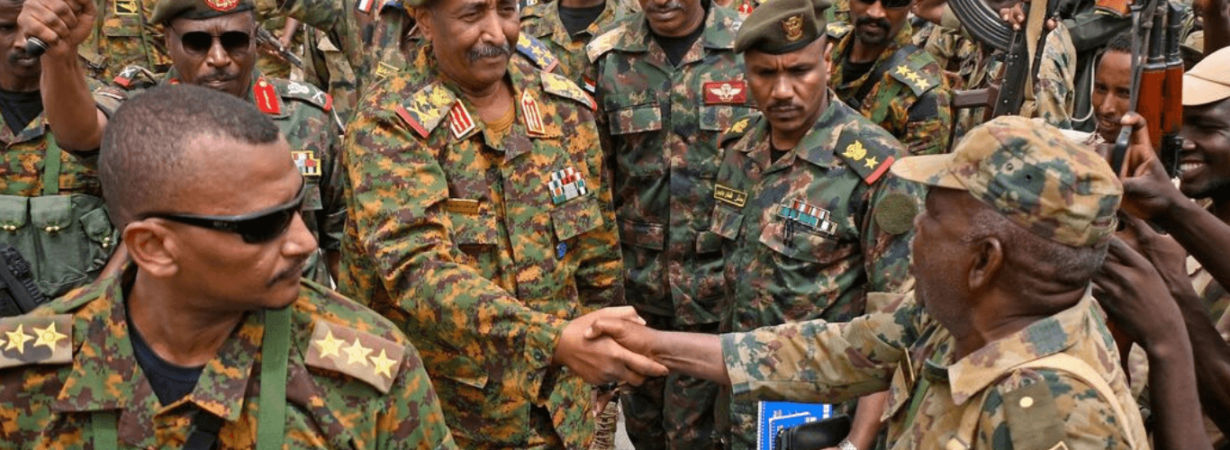
A recent United Nations expert report has drawn attention to the increasing presence of Turkish-made combat drones and electronic warfare systems in Sudan’s civil war. The systems identified include Bayraktar TB2 and Akinci drones, highly effective platforms that have already shifted battlefronts in Libya, Syria, and Ukraine. Their deployment in Sudan, however, comes despite UN arms embargoes that restrict weapons transfers to the region.
Investigations by outlets such as the Washington Post reveal that Turkey’s defense industry, particularly Baykar, played a direct role in delivering drones, ammunition, and training to the Sudanese Armed Forces (SAF) under General Abdel Fattah al-Burhan. These reports suggest not only hardware transfers but also the involvement of Turkish technical advisors on Sudanese soil.
Breach of International Commitments
Supplying arms to Sudan represents a clear violation of international law. The UN Security Council has repeatedly extended arms restrictions in the country in light of the fragile ceasefires and the risk of mass atrocities. Turkish exports of drones, warheads, and small arms into the conflict directly contravene these obligations, raising questions about Ankara’s compliance with its own legal frameworks for arms sales and export controls.
The Nordic Monitor report further shows that Turkish-manufactured rifles, ammunition, and other weapons were also documented in South Sudan, another conflict-affected area covered by UN embargoes. Such evidence suggests a wider pattern of disregard for international restrictions.
Regional Fallout: The Red Sea at Risk
The entry of Turkish drones into Sudan’s conflict is not just a local concern. It carries significant regional and global implications. Sudan sits at the crossroads of the Horn of Africa and the Red Sea, one of the most strategically important waterways in the world. Roughly 10–12% of global trade passes through these sea lanes, including vital shipments of oil and gas to Europe and Asia.
By providing Burhan’s army with sophisticated aerial capabilities, Turkey risks intensifying instability along this maritime corridor. The presence of drones capable of reconnaissance and long-range strikes introduces new vulnerabilities for shipping and naval operations in the region. European policymakers, in particular, are watching these developments closely as any escalation threatens energy security and global commerce.
Humanitarian and Human Rights Consequences
The deployment of drones has also had devastating consequences for civilians. Reports from aid groups and eyewitness accounts indicate that drone strikes have hit humanitarian supply convoys, food warehouses, and densely populated areas. These attacks worsen famine conditions and displacement in a country already facing one of the world’s largest humanitarian emergencies.
The human toll is staggering: millions displaced, children suffering acute malnutrition, and widespread reports of gender-based violence in camps for the internally displaced. By enabling Burhan’s forces to intensify their offensives, Turkish support has compounded the suffering of civilians and obstructed humanitarian access.
Double Discourse: Peace Rhetoric vs. Military Reality
Turkey continues to present itself diplomatically as a mediator in global conflicts, often positioning itself as a champion of peace and solidarity within the Muslim world. Yet the evidence from Sudan exposes a stark contradiction between Ankara’s public discourse and its covert military role.
On the one hand, Turkey promotes itself as a humanitarian actor and peace broker. On the other, its drones and small arms are empowering a military campaign that has devastated civilian populations. This double standard undermines Ankara’s credibility and strains relations with European partners who increasingly view Turkish actions as destabilizing.
Implications for Turkey’s Global Image
Beyond the battlefield, Turkey’s involvement in Sudan carries significant reputational risks. Its defense industry, once celebrated internationally for producing cost-effective and innovative drones, is now being linked to violations of UN embargoes and worsening humanitarian disasters. European policymakers may respond with tighter export controls, sanctions, or reduced cooperation with Turkish defense firms.
Moreover, Turkey’s credibility in the international system is at stake. By undermining embargoes and fueling conflict, Ankara risks being seen not as a constructive regional power but as an opportunistic actor exploiting fragile states for strategic gain.
The evidence presented by the UN and investigative outlets paints a troubling picture. Turkey’s transfer of drones and weapons to Sudan is not only illegal under international law but also profoundly destabilizing for the region and catastrophic for civilians. The impact extends far beyond Sudan’s borders, threatening Red Sea security and straining Ankara’s already fragile relations with Europe.
The international community must respond with urgency—by enforcing arms embargoes, investigating breaches, and holding accountable those responsible for fueling Sudan’s war. Without accountability, Turkey’s actions risk further eroding the global peace architecture and emboldening other powers to flout international norms in pursuit of short-term gains.