
Discover Authentic Moroccan Cuisine Across Arab Countries Today
-
The Arab Post
- . September 22, 2025
- . Update: September 22, 2025 7:00 pm
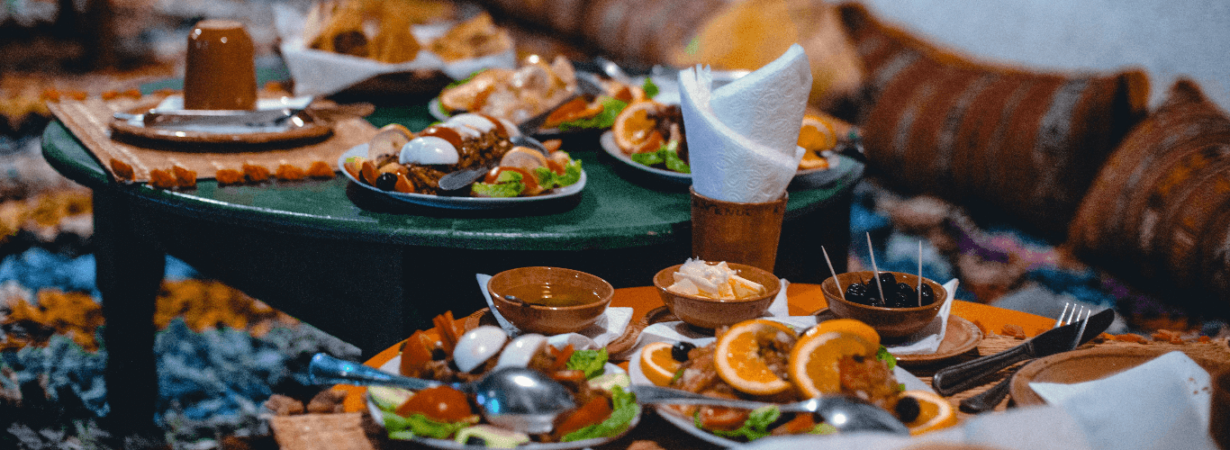
Steam rising from a tagine can stop people in their tracks. The clay lid lifts, releasing the mix of saffron, ginger, and slow-braised lamb. In Arab countries, more diners now look for authentic Moroccan restaurants that serve this exact moment.
The pull isn’t about novelty. It’s about reconnecting with food that carries rhythm, warmth, and memory. Families and travellers alike are tracing the smell of mint tea and couscous into city streets, markets, and tucked-away cafés. The search for authenticity is growing sharper, and restaurants know it.
Growing Demand for Authentic Moroccan Cuisine
Moroccan cuisineMoroccan cuisine has travelled far across Arab countries. Families in Riyadh want couscous on Fridays, just as families in Rabat do. In Dubai, queues outside Moroccan bakeries stretch late into the evening, the smell of msemen flatbreads filling the air. Expatriates have opened restaurants that stay close to the recipes passed down at home. At the same time, locals have developed a taste for harira, bastilla, and slow-cooked tagines.
Travel also fuels demand. Visitors returning from Marrakesh or Casablanca want the same flavours back in Cairo or Doha. Authentic Moroccan restaurants now fill that gap, providing a familiar taste in new surroundings.
Top Cities to Discover Authentic Moroccan Restaurants
1. Dubai and Abu Dhabi
Dubai has become a showcase for Moroccan cuisine. In Jumeirah, diners sit under lantern light while plates of lamb with prunes arrive simmering in clay pots. Restaurants here focus on details, from tile work to the exact spice balance in ras el hanout.
Abu Dhabi follows a quieter pattern. Many Moroccan families run smaller restaurants tucked into residential districts. On Fridays, couscous takes centre stage, steamed patiently and served on wide platters, shared by groups in a tradition carried directly from Morocco.
2. Riyadh and Jeddah
Riyadh offers Moroccan food with consistency rather than glamour. Restaurants here serve harira as a starter during the colder months, its tomato base thickened with lentils and chickpeas. Tagines appear with steam still rising, saffron and coriander mingling in the air. In Jeddah, seafood finds its way into Moroccan recipes.
Fish tagines are paired with olives, anchoring the Moroccan method to the Red Sea coast. Bread baked daily remains a standard. Many regulars return each week not for atmosphere, but for the simple comfort of fresh khobz torn by hand.
3. Cairo and Alexandria
Cairo has welcomed Moroccan cuisine into its café culture. Bastilla, with its layers of pastry filled with pigeon or chicken, arrives dusted with cinnamon and sugar. Locals speak about the odd mix of sweet and savoury yet return for the balance it achieves.
Alexandria’s position by the Mediterranean adds another layer. Moroccan restaurants here combine couscous with grilled fish, making the dish feel rooted in both traditions at once. These places often sit near the Corniche, where the sea breeze carries the smell of spices across the walkway.
4. Doha and Kuwait City
Doha has built Moroccan restaurants into cultural experiences. Mint tea is poured in long streams from tall silver pots, foam rising in the glass while oud music plays nearby. The effect keeps customers seated long after meals end. In Kuwait City, the approach is pared down. Restaurants keep menus short, with couscous and tagines done carefully.
The focus on fewer dishes appeals to diners who value precision over variety. These smaller spaces fill quickly in the evenings, particularly on weekends.
5. Manama and Muscat
In Manama, Moroccan restaurants often occupy old townhouses. Clay ovens send smoke into narrow streets, where skewered meats grill over charcoal. Crowds gather late at night, waiting for brochettes that taste close to those found in Marrakesh markets. Muscat has attracted Moroccan chefs into hotel kitchens.
Here, authentic Moroccan restaurants present traditional meals with polished service. Guests enjoy tagines with preserved lemon while overlooking the Gulf of Oman, a reminder that tradition can travel across waters and still remain intact.
Spotlight on Street Food and Local Experiences
Beyond restaurants, Moroccan street food has carved its own place in Arab countries. In Doha, stalls press msemen on hot plates, folded and eaten with honey. Students in Cairo carry baghrir pancakes to class, their spongy surface catching melted butter. In Riyadh, the smell of lamb brochettes on skewers fills evening streets, drawing families toward the smoke and heat of small grills.
Cafés add another thread to this picture. Tea houses serve green tea with mint, poured high into glasses until froth crowns the top. The sound of liquid hitting metal cups becomes part of the experience. Customers linger, conversations stretching long past the last sip.
They connect migrants to home, travellers to their journeys, and locals to traditions they may never have known before. In every couscous platter, in every clay pot tagine, there is heritage brought forward. That is why the search for authentic Moroccan restaurants keeps growing — and why the answers are now easier to find in streets from Cairo to Doha, from Manama to Dubai.