
The Oil to Innovation Journey: Abu Dhabi’s Diversification Path
-
Dhivyanshu
- . September 26, 2025
- . Update: September 26, 2025 9:33 pm
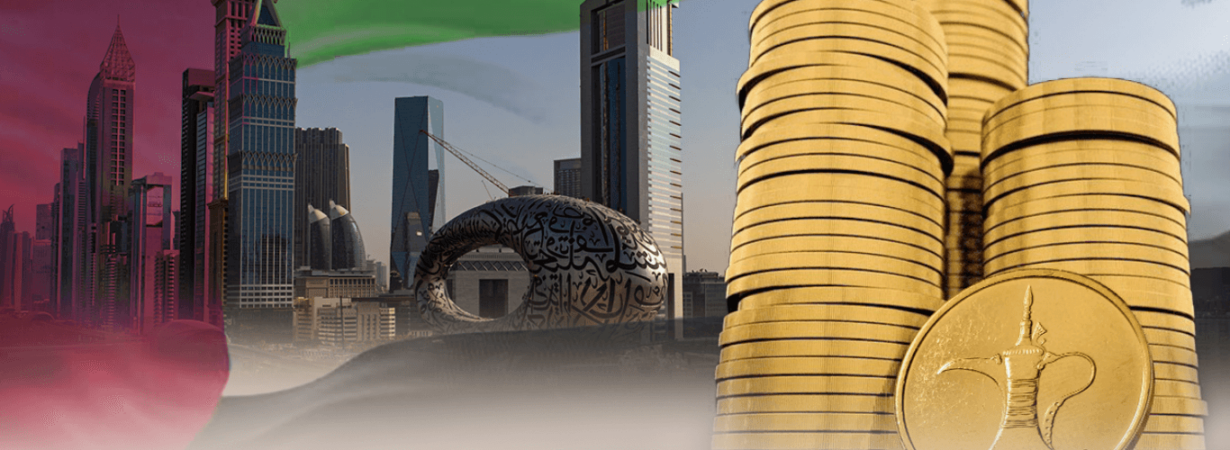
By the fishing docks at Mina Zayed, you can still smell diesel in the early morning air. For years, that smell told the story of Abu Dhabi — oil, fuel, tankers. But the city looks different now. Solar fields spread into the desert. Tour buses idle outside the Louvre Abu Dhabi.
Tech hubs hum late at night with start-ups chasing global investors. Across Arab countries, the conversation keeps circling back to the same point: Abu Dhabi’s diversification push is real, and it is changing the way this city works.
Abu Dhabi’s Economic Vision Beyond Oil
The Economic Vision 2030 laid out the plan more than a decade ago. It called for a knowledge economy, stronger private enterprise, and growth that did not rise and fall with crude prices.
Sovereign wealth funds — ADIA, Mubadala, ADQ — started directing money into renewable projects, logistics, and global tech. The payoff? Non-oil GDP has been climbing faster than oil-linked output. Officials use that as proof when speaking to investors. In government offices, the phrase comes up often: resilience depends on breaking oil dependency.
Key Sectors Driving Diversification
Renewable and Clean Energy
Out at Noor Abu Dhabi, the sound is steady. Rows of solar panels stretching across sand, generating power for thousands of homes. Masdar, born in the capital, has grown into an international investor in clean energy. Its projects range from offshore wind in Europe to solar in Asia.
Talk of hydrogen is everywhere. Engineers sketch out ideas for exports heading to Europe in the coming decade, pipelines and ports ready to adapt. Officials forecast renewables covering nearly half of Abu Dhabi’s energy mix by the 2030s. For a city once almost fully powered by oil and gas, that number says plenty.
Technology and Innovation Ecosystem
Hub71 feels like another world. Keyboards clatter, coffee machines hiss, founders pitch ideas to anyone willing to listen. Start-ups test fintech, healthtech, and AI models, backed by subsidies that make early growth less painful.
Abu Dhabi partnered with Nvidia to launch an AI and robotics lab, while the Technology Innovation Institute works on quantum computing, advanced materials, cybersecurity. Yet the mood isn’t all rosy. Founders complain that talent is thin. Skilled coders get poached by Doha or Riyadh. Retaining them isn’t just about pay. It’s about whether Abu Dhabi feels like home, not just a stopover on a career path.
Industrial and Manufacturing Growth
Khalifa Economic Zones Abu Dhabi feels heavy, industrial. Steel sparks fly, cranes swing, forklifts beep as they back up. The zone is marketed as a global logistics hub, and companies from Europe and Asia are setting up. Aluminium remains a cornerstone, but advanced manufacturing is taking more space.
At Metal Park, robots weld while technicians watch monitors. 3D printers spit out prototypes. Export routes through Khalifa Port cut weeks off shipping schedules compared to older paths. For businesses, that’s money saved. For Abu Dhabi, it’s proof that diversification isn’t just policy talk.
Tourism, Culture, and Lifestyle Economy
Step into the Louvre Abu Dhabi. Cool marble floors underfoot, filtered light overhead, tourists murmuring in half a dozen languages. Saadiyat Island is shaping into a cultural centrepiece. Yas Island, by contrast, pulses with Formula One engines and international concerts. Hotels are packed during UFC fights and major festivals. Tourism isn’t an afterthought anymore. Families from Europe, Russia, and China wander malls, restaurants, and parks. Airlines add new routes to handle the demand. Tourism now writes a steady line into non-oil GDP, and the numbers back it up.
Education and Human Capital Transformation
Diversification needs people trained for it. Abu Dhabi’s schools and universities are pivoting toward science, engineering, and technology. New York University Abu Dhabi and Sorbonne Abu Dhabi anchor higher education, while technical institutes train renewable energy technicians and coders.
Emiratisation policies push firms to employ more locals, though expatriates still dominate many specialised fields. Scholarships, coding boot camps, robotics contests — all part of building a workforce to match new industries. Progress is gradual, but the direction is locked in.
Global Trade and Investment Strategy
Abu Dhabi sells itself as safe for capital. Free zones allow foreign ownership, licensing is simpler, and the Abu Dhabi Global Market runs on international-standard regulation. Investors see stability.
Public-private partnerships fund ports, airports, and fibre networks. The upgrades reinforce Abu Dhabi’s role as a regional logistics hub within Arab countries.
Challenges on the Diversification Road
Oil still funds much of the budget, so price swings hit planning. Projects in hydrogen or AI cost billions up front, with returns years away. The labour market is another challenge.
Universities produce more graduates, but not enough in advanced tech. Expatriates fill gaps, but they’re mobile — tempted away by higher salaries in Saudi Arabia or faster visas in Qatar. Regional competition is intense, each Gulf state pushing its own diversification pitch. Without careful planning, duplication is a real risk. The balancing act is constant: ambition versus overreach.
Future Outlook: Abu Dhabi’s Innovation Economy
Forecasts suggest non-oil GDP overtaking oil by 2035. Clean energy, technology, and tourism are expected to drive growth. Hydrogen exports could add a new revenue stream.
AI and robotics hubs may pull global attention. Tourism will expand further, boosted by cultural projects and global sporting events. Education reform keeps building a talent base to support these industries. Across Arab countries, Abu Dhabi is watched closely. Oil shaped its past, but the future is increasingly defined by solar fields, research labs, and trade routes that stretch far beyond hydrocarbons.