
Modest Fashion Trends 2025: How the Arab World Is Redefining Style
-
The Arab Post
- . November 3, 2025
- . Update: November 3, 2025 6:03 pm
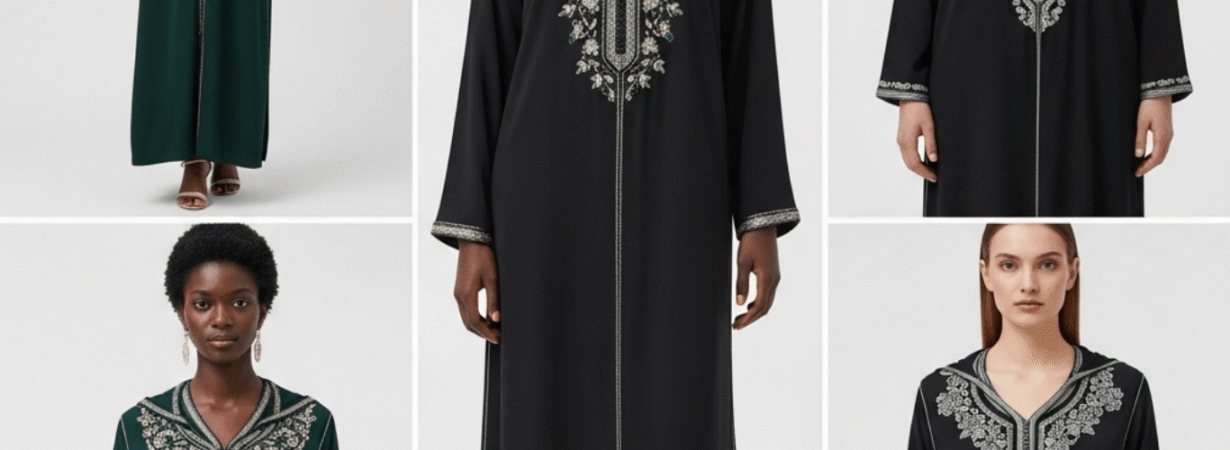
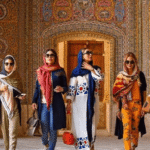
You can hear the rustle of fabric before you even see it. Soft footsteps in marble corridors, women walking with quiet confidence. That’s modest fashion in 2025, calm, real, and deliberate. Across the Arab world, this movement is turning everyday wear into something that feels both global and personal. The change didn’t arrive with noise. It grew quietly from streets, markets, and homes.
Modest Fashion Market Overview 2025
| Region | Key Markets | Growth Trend | Notable Designers | Consumer Focus |
| Middle East | UAE, Saudi Arabia, Qatar | Rising luxury demand | Yasmin Al Mulla, Huda Al Nuaimi | Comfort with cultural pride |
| Asia | Indonesia, Malaysia | Expanding fashion retail | Dian Pelangi | Youth-led innovation |
| Europe | UK, France | Broader acceptance | Raishma, Feradje | Inclusion and representation |
| North America | USA, Canada | Influencer awareness | Haute Hijab | Everyday workwear |
| Africa | Nigeria, Egypt | Emerging audience | Mimi A. | Craft and heritage style |
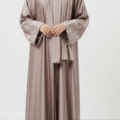
Walk through a Dubai boutique today and you’ll notice something different. Fabrics feel lighter, the tones softer. Designers are using local textures that breathe in desert heat. Even embroidery feels understated. The idea of modest fashion isn’t about covering, it’s about creating space. For movement, comfort, and culture.
Evolving Fabric Narratives
Summer in the Gulf hits hard. That’s why most collections now use linen, organic cotton, or light silks. It’s not just about luxury; it’s about practicality. Some brands in Abu Dhabi use natural dyes from date palms or sand pigments. Feels small maybe, but it’s real change. People care about where their clothes come from.
Designers Breaking the Mold
Names like Yasmin Al Mulla or Huda Al Nuaimi have become familiar across the region. Their shows don’t scream for attention. They whisper it. Long cuts, muted colours, clean stitches. Their clothes move naturally, like they belong on the body. There’s a warmth in that kind of precision, the kind that doesn’t look rehearsed.
Digital Modesty: The Online Revolution
Scroll through TikTok or Instagram, and modest fashion fills the feed. Everyday women posting abaya looks for cafes or office meetings. Not influencers pretending to be perfect, just real people matching scarves and sneakers. Feels more honest. That’s how this trend grew faster than expected. Social media made it approachable, not aspirational.
Luxury Brands Catching Up
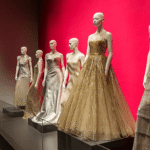
Big brands were late to the party. But they’re learning. Dior, Gucci, and Valentino now roll out Ramadan collections every year. Their visuals have changed too, models from the region, everyday homes, family settings. The tone feels respectful. Not marketing, just understanding. That’s progress, slow but steady.
Cultural Identity at the Core
For many Arab women, modest fashion is not a trend. It’s part of who they are. Covering is a choice, not a rule. It’s how culture walks beside modernity without clashing. A silk scarf over a crisp suit. A long dress with sneakers. Small things, but they speak volumes. That’s how identity shows up, quietly, confidently.
Youth Influence and Streetwear Rise
Walk near City Walk or Jeddah’s Corniche and you’ll spot teens redefining modest wear. Loose hoodies, bright hijabs, chunky shoes. It’s modest, but not traditional. And they own it completely. Maybe that’s what makes this generation interesting, they mix faith and fashion without overthinking it.
Sustainability Enters the Scene
Eco-friendly modest wear is slowly gaining ground. Labels like The Giving Movement in Dubai are producing using recycled threads and ethical labour. Shoppers are asking questions, who stitched it, what it’s made from, how long it’ll last. The answers matter now. Style with conscience, as they say.
Retail Expansion and Global Demand
Walk into Zara or H&M today, and you’ll see modest lines all year round. Tunics, maxi dresses, and kaftans aren’t seasonal anymore. They’re consistent sellers. Western markets once thought modest wear was niche. Not anymore. It’s mainstream, driven by Middle Eastern influence that feels grounded, not flashy.
Men’s Modest Fashion Emerges
It’s not just women anymore. Men are exploring relaxed cuts, long tunics, and loose trousers. Influenced by traditional kanduras but styled for daily wear. Feels modern yet familiar. Even Western brands are catching that wave.
Media and Representation Shift
Models like Halima Aden and Shahad Salman changed the visual story of global fashion. Their work on international runways made modest wear visible, not as a token but as real fashion. Finally, the world’s seeing what the Arab world’s been living all along.
Changing Perceptions, Not Just Clothes
Modest fashion in 2025 is more than design. It’s a reflection of calm power, a way to be seen without noise. The Arab world didn’t follow the trend; it led by being itself. And maybe that’s the most fashionable thing of all.
FAQs
1. What defines modest fashion in 2025?
Loose fits, light fabrics, and elegant layering inspired by cultural identity.
2. Why is the Arab world central to this trend?
Because it balances tradition with modern design naturally.
3. Are global brands adapting to modest wear?
Yes, many have added modest lines in response to steady demand.
4. Does modest wear include men’s fashion?
Yes, modern modest menswear is gaining popularity across the Gulf and beyond.
5. How does sustainability affect modest wear now?
Consumers prefer eco-friendly materials and local craftsmanship.