
Iran’s Strategy of Delay: How Tehran Buys Time to Survive Crises
-
The Arab Post
- . March 4, 2026
- . Update: March 4, 2026 5:30 pm
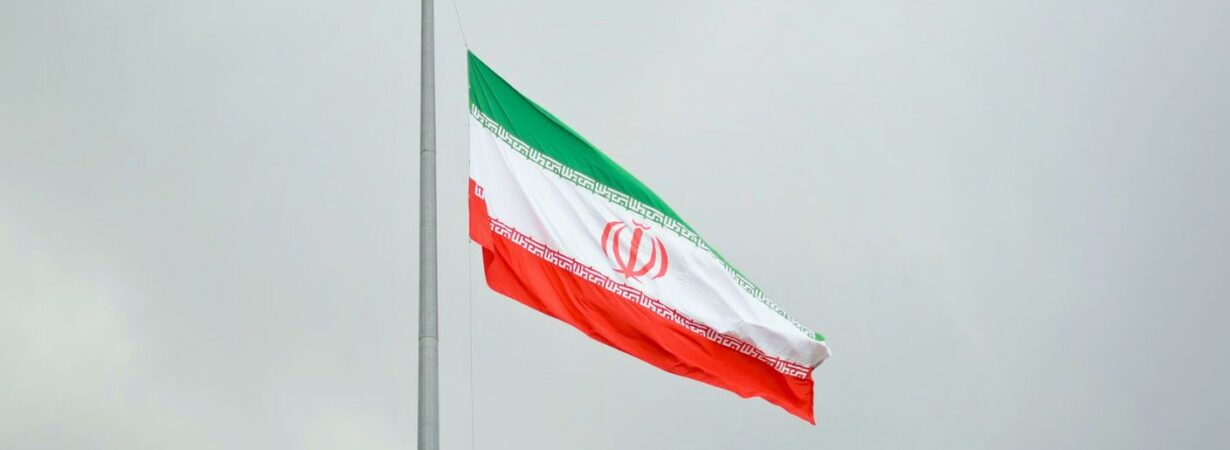
The miscalculation is not a strategy of Tehran Iran. It is a calculated policy of procrastination, fraud and suppression that was intended to last longer than Western attention spans and endure crises both at home and overseas. According to The National Interest, the Islamic Republic has perfected a formula of taking advantage of diplomatic weariness, electoral changeovers, and international diversions to ensure continuity of the regime and further promote its regional priorities.
The regime has proven over the last 40 years that time, and not ideology, is its greatest strategic asset. It bargains when the pressure is exerted. Once scrutiny is lost, it forms a unity. In a challenge within, it represses. It is not a sporadic pattern, but a system one.
Internal Repression as a Control Approach
Domestic coercion is not an emergency response tool; it is the working system of the regime. The vindication of unity between the structures and the form of repression has been revealed in recent unrest: the mass arrests, executions, and systematic intimidation were not used as excesses, but as calculated manifestations of control.
The governing logic is clear. Economic suspicions include the increasing prices, joblessness, and declining state services, which are seen as a threat to security. The dissent expressed in the population is perceived as an alien conspiracy. The thorough mix of civil protest with betrayal of the nation is what Tehran uses to justify the permanent emergency rule.
It is the purpose of this internal rigidity. A government ruled by intimidation has structural protection against accountability. It is able to take sanctions, economic contraction, and even isolation of diplomacy as its legitimacy is not based on consent but on its capability to coerce. Success is not success but survival.
Proxies of Exporting Instability
Tehran is a reflection of its home logic on the outside. It projects power by means of asymmetric weapons of military, missile programs and deniable networks, but not statecraft as traditionally understood. The Hezbollah in Lebanon and the Houthis in Yemen are organisations that serve as a continuation of the Iranian strategic depth.
These are not marginal nuisances; they are regime-building blocks. Incorporating itself within the weak theatres, Iraq, Syria, Lebanon, Yemen, and Iran will guarantee that confrontation is accompanied by the threat of escalation on a regional level. This network of power frustrates decisive retaliation and makes the reactions of a coalition more complicated.
Destabilisation, then, is not irresponsibility. It is insurance. An unstable state of affairs will make it more expensive to isolate Tehran and will encourage reserved action by other powers that fear larger-scale conflict.
Survival Logic: Regional Destabilisation
The Islamic Republic does not argue to solve the disputes; it only manages pressure. Agreements buy time. Time reduces urgency. Increased urgency undermines coalitions. This pattern has been repeated in nuclear negotiations, sanctions relief programs and regional negotiations.
The change of leadership, the elections in Western countries, and the alternative legislative priorities are included in the calculations of Tehran. The regime believes that democracies are weary sooner than authoritarian regimes. It is best that focus will fade out long before structural transformation is affected.
Thus, delay becomes doctrine. When pressure is high, we make tactical concessions, and when it decreases, we go back to our strategic goals. This prudent elasticity allows Tehran to wait as enemies discuss future action.
But the wider implication is dismal: the instability abroad, the repression at home are not opposites to the policy and doom of Iran, but the stabilisers of its policy. A less turbulent area would weaken the negotiating power of the regime. Its monopoly of ideas would be under attack in a successful and politically open society.
Strategic Implications
Assuming methods as delay, clarity and sustained pressure are counter methods. The regime’s assumptions are strengthened by occasional involvement with a lack of enforcement. On the other hand, coherent policy, which implies economic restrictions, diplomatic coordination, and plausible deterrence, upsets the time calculus on which Tehran relies.
The playbook of survival of the regime is based on a single belief: that it can outlive its opponents. Debunking that belief takes the consistency that is not gauged on the news cycles but strategic stamina.
The strategy of Iran is not confusing. It is patient weaponised. The first step towards countering logic is to understand that logic.
FAQs
1. How does Iran play the game of delay?
The concept of delay is what is used by Iran and is its method of avoiding pressure through a lengthy process of negotiations, tactical compromises, and regional leverage to survive under pressure without regime stability.
2. What is the role of regional proxies in the policy of Iran?
Iran encourages groups such as Hezbollah in Lebanon and the Houthis in Yemen to develop strategic depth, discourage direct conflict, and gain regional power.
3. Why is internal repression the key to the survival model in Iran?
Internal repression assists the regime in repressing the opposition, preserving power amid economic downturn and cushioning the leadership against domestic responsibility, which guarantees the chances of political survival.