
Are Middle East Skies Safe Again? What the Resumption of Tehran Airport Commercial Flights Means for Global Travel
-
Dhivyanshu
- . April 25, 2026
- . Update: April 25, 2026 6:27 pm
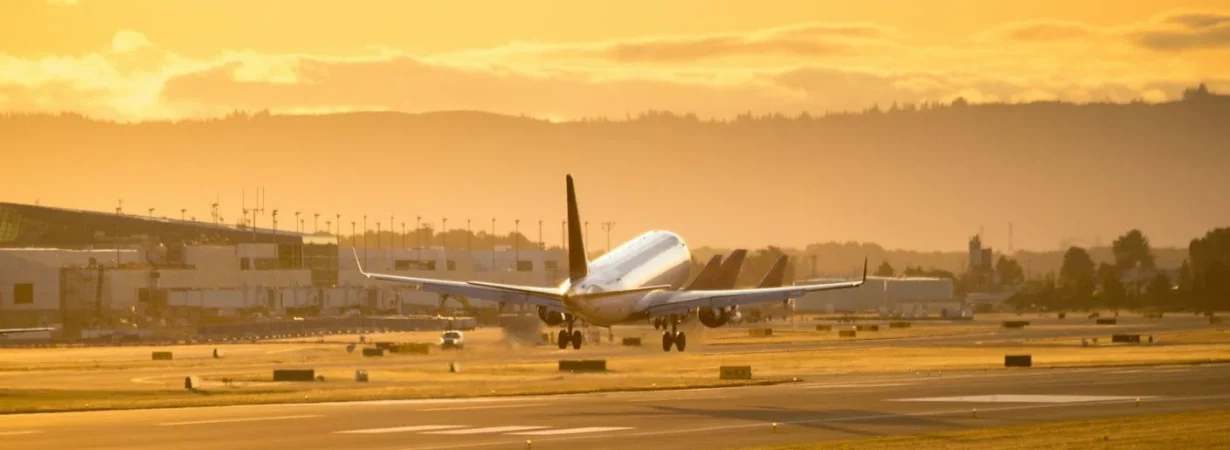
The Iranian capital has experienced its first jet engine sounds after two months of tense silence. The unexpected return of Tehran airport commercial flights happened after Iran fought its first military conflict against the United States and Israel. Travelers and logistics companies want to know which areas the current weather changes affect most and whether air travel remains safe at this time.
The Regional Impact of Middle East Airspace Reopening
The conflict created severe restrictions on international transit which made airlines fly through expensive and time-consuming flight detours. The recent Middle East airspace reopening primarily impacts regional neighbors and essential transit hubs. The state television network reported that Imam Khomeini International Airport will launch its first flight operations to three major diplomatic and religious destinations which include Istanbul Turkey Muscat Oman and Medina Saudi Arabia.
The phased restart operation establishes essential travel relief for both Eurasian and Gulf travel corridors which have experienced major disruptions since the war outbreak commenced in February. Travelers who wish to see how international aviation authorities operate these newly opened but strictly monitored corridors should visit the International Air Transport Association IATA website.
Economic Fallout and the Strait of Hormuz
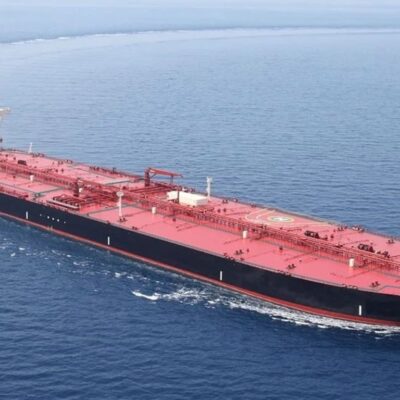
The current recovery of passenger routes shows progress, but the economic effects from the situation remain extremely severe. The conflict has its greatest impact on global energy markets because the Strait of Hormuz remains closed. The suspension of direct aerial combat does not interrupt Iran’s complete control over this crucial maritime chokepoint. The International Energy Agency (IEA) reports that global supply chains face extreme difficulties while Brent crude oil prices experience violent price swings between $103 and $107 per barrel, which represents a nearly 50% increase from pre-conflict prices.
How US Iran Ceasefire Talks in Pakistan are Shaping Stability
The diplomatic strategies of the two sides currently operate under military control of the airspace between their territories. Pakistan has become the main mediator in the region because it hosts essential US Iran ceasefire talks to stop further destruction. Iranian Foreign Minister Abbas Araghchi arrived in Islamabad to meet with Pakistan’s top military officials and political leaders in order to present possible methods for reducing tensions.
U.S. envoys Steve Witkoff and Jared Kushner are traveling to Pakistan to establish indirect negotiations between the two sides. The White House official statements indicate that this diplomatic initiative aims to transform the existing indefinite ceasefire into a permanent peace agreement which will remain in effect for an extended period.
Discover more Insights
Explore Iran War Lessons Globally?
Explore how the 2026 Iran war reshapes global power and strategy.
Discover Iran Delay Strategy Tactics?
Discover how Iran uses delay, repression, and proxy influence.
Check Trump Iran Strategy Importance?
Check why Trump’s Iran strategy depends on Gulf allies.
Explore Iran Military Warning Signals?
Explore rising warnings from Iran alarming global powers.
Discover Sudan Iran Axis Threat?
Discover how the Sudan-Iran axis raises serious regional concerns.
Broader Conflict Zones and Humanitarian Impact
The U.S. government implemented a 90-day Jones Act waiver extension to support domestic energy price stability during ongoing complex negotiations which decreased international maritime gas transportation restrictions. The entire area continues to experience deep divisions. The human cost has been devastating, with thousands of casualties reported across Iran, Lebanon, and Israel. The United Nations continues to monitor southern Lebanon, where a separate three-week ceasefire has been extended. The UNIFIL report demonstrates that peacekeeping forces suffered losses which establish the high danger of cross-border conflicts. You can find official diplomatic information about the current Islamabad summit at the Pakistan Ministry of Foreign Affairs.
FAQs
Are Tehran airport commercial flights fully operational for all international routes?
The authorities test airspace safety while they negotiate new treaties which restrict flight operations to three regions. The current restoration of services permits only three specific regions which include Istanbul Muscat and Medina.
How does the Middle East airspace reopening affect global oil prices?
Passenger travel restrictions on airspace are gradually easing but the Strait of Hormuz maritime blockade remains in effect. The situation maintains global energy shipment disruptions which result in continuous oil price fluctuations.
Where are the current US Iran ceasefire talks taking place?
The current negotiations are being hosted in Islamabad, Pakistan. The talks between the U.S. envoys and the Iranian delegation occur through Pakistani officials who act as intermediaries.
Will the Lebanon-Israel border also see a permanent halt in fighting?
The governments of Israel and Lebanon have established a three-week extended ceasefire agreement. The militant group Hezbollah together with other factions maintains its active combat operations despite the current diplomatic efforts.