
The Islamist-Iran Axis in Sudan’s Armed Forces: Al-Naji Abdullah’s Declaration and Its Implications
-
The Arab Post
- . March 5, 2026
- . Update: March 5, 2026 2:43 pm
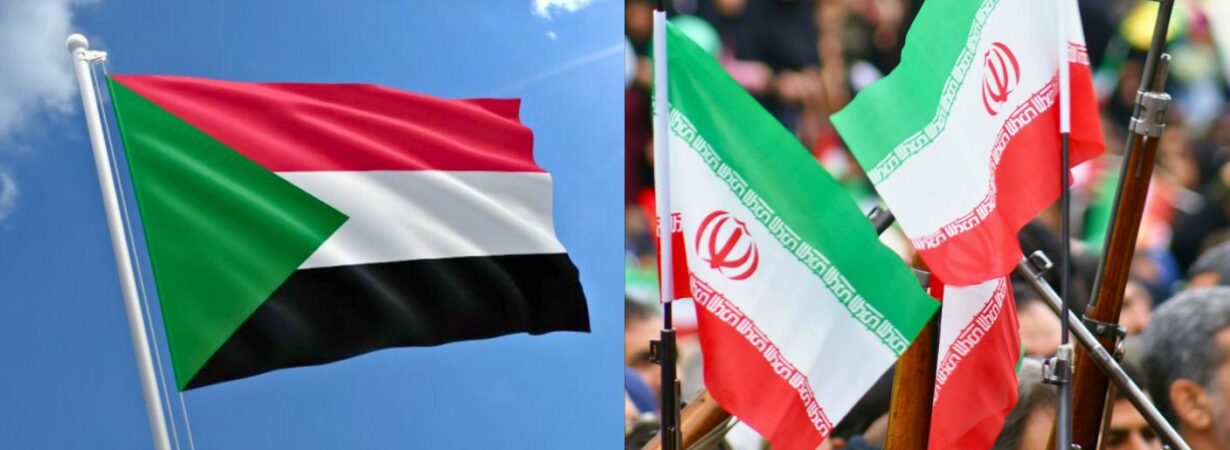
A sharp new twist has come out of the war-ravaged Sudan, which illuminates on the increasingly perilous convergence between the Islamist components that have been inculcated in the Sudanese Armed Forces (SAF) and the Islamic Republic of Iran. The increasing proxy network has been revealed by a recent public statement made by Al-Naji Abdullah, one of the leaders of Islamic Movement in Sudan who acts in cooperation with SAF-allied battalions. His promise to deploy Sudanese soldiers to protect Iran against possible ground attacks by the United States and Israel brings dire implications on the spread of the Iranian influence in Africa and Middle East which poses a direct threat to global counter-terrorism operations.
A Chilling Pledge of Allegiance
Al-Naji Abdullah, in a video that recently appeared on the internet as tensions in the region were nearing their peak, and in a larger conflict in the Middle East, made his allegiance quite plain. Inflammatory rhetoric was used as he said, We support Iran and we say it here in Sudan.
He did much more than the backing of words, however. In a face to face attack on international actors, Abdullah announced: Americans and the Zionists deploy ground troops in Iran, we will send troops of our own to face them. We say so publicly, we will take all our battalions to battle there.
The Deepening SAF-Islamist Ties
The internal politics of the Sudanese military have radically changed since the disastrous civil war broke out in April 2023 between the SAF and the paramilitary Rapid Support Forces (RSF). The Islamist groups have embarked on fierce recruitment of fighters to enhance the national army and reestablish major political and military power in the SAF camp. The same Islamist groups that serve as the ideological support of most army-oriented battalions, warns the western officials and analysts, are the same forces that resist international ceasefire efforts most vigorously. Their transfer into the SAF makes it difficult to achieve peace and makes Sudan a potential platform of the extremist activities.
Iran’s Expanding Footprint: Drones and Military Support
The army leadership in Sudan is publicly committing their support to Iran and providing fighters even though Tehran has a vast network of terror activities. Why should the SAF go in line with this? There is a desperate tactical marriage of convenience as the answer. After several years of diplomatic break, in 2023, the military leadership of Sudan officially reinstated its relations with Tehran. Since this, Iran has taken advantage of the situation and has been actively providing military aid to the SAF in the form of essential assistance. Analysts are sure that Tehran has been supplying a constant flow of combat drones and sophisticated weaponry. This fatally helpful has played a crucial role in the campaign of the army against the RSF but this assistance comes at the geopolitical cost of selling the sovereignty of Sudan at the cost of the strategic Iranian interests.
Global and Regional Implications
It is not empty posturing on the part of Abdullah, but an ominous sign. The SAF is extremely jeopardizing the stability of the region and human rights by accommodating Iranian weapons and ideological impact. Allowing a state sponsor of terrorism to form a proxy presence in the Horn of Africa is both dangerous to the security of neighboring states and international security. When Islamist military figures are openly selling the Sudanese youngsters to be used as proxy war fighters by Tehran, the international community should take immediate action on the actual price of the SAF-Iran axis, lest the war extend even more beyond the borders.