

The ‘Glass Skin’ Sunscreen Everyone is Buying Today – Why This Organic Blend is Viral in the Arab World
-
Dhivyanshu
- . May 4, 2026
- . Update: May 25, 2026 5:01 pm
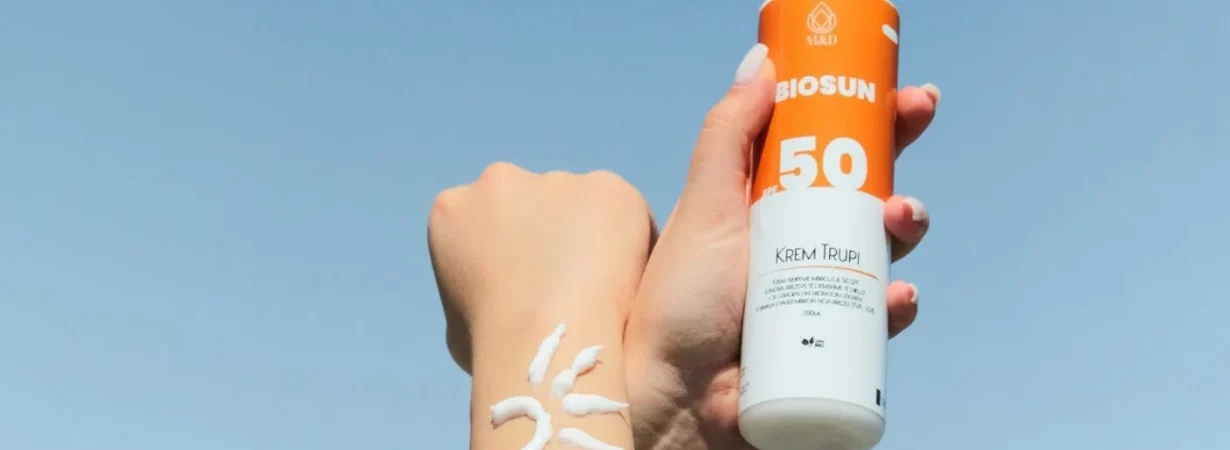
The search of a perfect, radiant, complexion has swept the Middle East. What began as a Korean niche skincare obsession, has quickly become one of the most visible Arab beauty trends. The exact trick behind the attainment of such much sought after, poreless appearance is not only about the application of pricey night serums; it also largely depends on the appropriate, daily sun protection. A particular viral organic sunscreen is selling like hot cakes and greatly altering the way regional beauty lovers go about their daily UV protection rituals.
Achieving Glass Skin SPF Protection: The Science
You need products that have such a deep hydration and at the same time protect against the sun. Even regular sunblocks can create a chalky deposit or simply become too greasy to wear under the hot Middle Eastern sun. Nevertheless, the most recent formulations are more focused on glass skin SPF protection, which is achieved by direct addition of hydrating ingredients such as hyaluronic acid and soothing Centella Asiatica.
The American Academy of Dermatology (AAD) has declared that it is non-negotiable to use a broad spectrum product to prevent premature aging. When a product integrates these high-level clinical standards and cosmetic beauty, then it becomes a viral product.
Why a Viral Organic Sunscreen is Better for Your Pores
The conventional chemical filters may also cause serious irritation to the sensitive skin particularly when they are subjected to extreme and sweltering heat. This is exactly the reason why a viral organic sunscreen is based on natural and non-comedogenic products. These specially designed organic formulations sink smooth into the epidermis without filling your pores. Mineral-based or organic filters such as zinc oxide, the Environmental Working Group (EWG) notes, offer cleaner, safer alternatives that reflect UV rays without the harsh unnecessary absorption of chemicals.
Adapting to Modern Arab Beauty Trends
The climate conditions throughout the Gulf area pose some unusual, daily challenges to skincare. The humid climates of cities such as Dubai and the hot dry weather of Riyadh imply that heavy makeup is just a waste of money. The current trends in Arab beauty have therefore changed to a large extent to skinimalism, or fewer, but much higher quality, multi-tasking products.
The End of the Dreaded White Cast
The biggest reason as to why this kind of viral organic sunscreen has attained such massive and unprecedented popularity is its zero-white-cast guarantee. Designed with specific aim of complementing various rich skin tones, it leaves behind a clear radiant glow as opposed to a white mask. The beauty gurus at Vogue Arabia often point out the importance of these new, non-invasive shields as being absolutely essential to anyone who wants to achieve a natural, radiant look in the morning and be able to keep it all day long.
Discover More Insights
Explore Cairo inflation middle class impact?
Discover how rising prices are affecting savings and daily life.
Check Algeria power plant deadline extension?
Explore updates on the 1.2GW energy project timeline.
Discover Turkey new electricity tariff changes?
Check how updated pricing will impact households and businesses.
Explore Qatar initiative boosting Syria power?
Discover efforts aimed at strengthening Syria’s electricity generation.
Check Beirut balcony lighting energy tips?
Explore efficient lighting ideas for Ramadan and beyond.
The Environmental Impact and Glass Skin SPF Protection
In addition to individual aesthetics, contemporary consumers are very environmentally friendly. Getting glass skin SPF protection will no longer entail damaging marine life. These trending recipes are even specifically reef-safe. The World Health Organization (WHO) is also urging global citizens to daily apply environmentally friendly suncare in order to raise global awareness about the terrible risks of increasing UV indexes, and applying environmentally friendly suncare on a daily basis is a global health concern, not merely a cosmetic one.
In shopping, it is important to focus on those products that have been evaluated by the Skin Cancer Foundation to be of high quality in terms of clinical-grade safety and those highly sought-after cosmetic advantages.
By planning and positioning a high-quality viral organic sunscreen into your morning routine you can protect yourself against harmful radiation and create the perfect, glowing canvas to the rest of your day. By adapting these contemporary Arab beauty trends, then you will always have a healthy, youthful, and radiant-perfect skin all year round.
FAQs
Q1: What exactly makes a sunscreen “organic”?
A: Organic sunscreens mostly rely on naturally occurring mineral active ingredients, such as zinc oxide or titanium dioxide, to become deposited on top of the skin and physically reflect harmful UV rays away, instead of absorbing them as synthetic chemical filters do.
Q2: How do I achieve glass skin SPF protection without looking greasy?
A: The trick here is to find lightweight water-based recipes that include hydrating components such as niacinamide and hyaluronic acid. These give a cool, reflective touch that does not resemble a thick layer of oil but healthy skin moisture.
Q3: Are these viral Arab beauty trends suitable for acne-prone skin?
A: Yes! The movement to organic, non-comedogenic sunscreens particularly helps persons predisposed to acne. Mineral filters are naturally anti-inflammatory, much less likely to clog pores than heavy, traditional sunblocks.
Q4: How often should I reapply my sunscreen if I live in a hot climate?
A: All dermatologists suggest re-applying your SPF after two hours, particularly during hot weather when you are likely to be sweating heavily or spending long periods of time outside in high-UV environments.