
One Run International Half Marathon (May 23, 2026): The Full Route Map and Road Closures Guide
-
The Arab Post
- . April 11, 2026
- . Update: April 11, 2026 11:05 pm
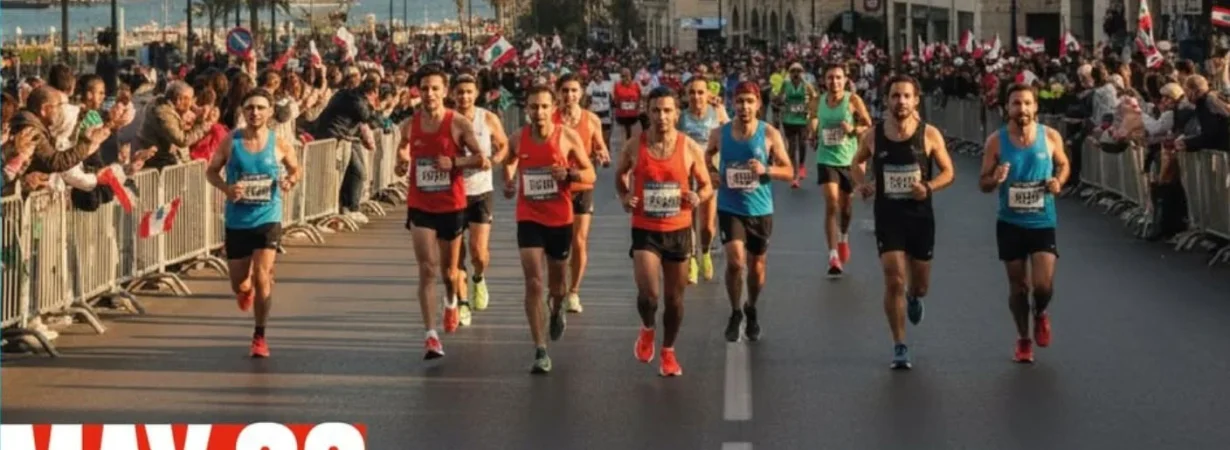
The most awaited sports event which people will watch throughout the world has entered its final countdown period. The streets will become a shared fitness demonstration when 250000 people from 30 countries participate in the event on Saturday May 23 2026. One Run International Half Marathon registration, Every runner needs to prepare adequately because their goals range from personal bests to finishing the 21.1 kilometers. The synchronized global racing event depends on complete comprehension of its logistical requirements.
Understanding the Synchronized Global Racing Event
This initiative started as a local project but it has developed into the most important synchronized global racing event. The actual enchantment of the event emerges through its precise timetable since all locations around the world begin their races simultaneously. The initiative which has received two Guinness World Records awards enables runners from diverse weather conditions and cultural backgrounds to participate in a common running experience. The execution of this exceptional operation requires extensive partnership between different infrastructure systems. Authorities strongly recommend checking official portals like World Athletics for recognized course standards and accurate elevation profiles to ensure maximum safety.
Course Logistics and City Layouts
The raceway extends from Abu Dhabi to Bengaluru and from Kathmandu to Yaounde which requires each participating city to create its own distinct racing circuit. The participating cities of the event must adhere to precise distance requirements. The event organizers distribute hydration stations and medical tents and timing mats throughout the venue to uphold the high standards which elite athletic events demand.
Navigating the Course: Vehicle Diversion Plans
Local transit authorities implement strict vehicle diversion plans to protect the downtown area from the hundreds of thousands of spectators and athletes who fill its streets. You will experience less race day stress because you learned about these updates in advance.
Key Street Adjustments for Spectators and Runners
Local police departments establish barricades on main roads which they control until the race begins at midnight. Community boards serve as essential resources for checking business hours because local businesses along the track change their operating times.
Public Transit: Most cities will extend their early-morning subway or metro operations. Central parking structures will be fully closed so public transit users should use it as their main transportation method.
Alternative Routes: If you need to drive your vehicle please check your local transit authority website to find current vehicle diversion plans. The temporary detours which are established on outer ring highways create routes that completely bypass downtown areas.
Pedestrian Crossings: Non-participants must follow designated overhead bridges and marked crossing areas which event marshals supervise for their safety.
The One Run Global Official Site provides official traffic management plans which serve as the most precise worldwide traffic information system.
Essential Endurance Pacing Strategies
Running a distance of 21.1 kilometers needs more than willpower because athletes must use endurance pacing strategies. Many beginners make the critical mistake of sprinting right out of the gate due to adrenaline, only to exhaust themselves halfway through the course.
How to Maintain Your Energy
Experienced coaches advise athletes to divide their running distance into three equal segments which helps them achieve their best performance results. The following endurance pacing strategies should be implemented to achieve better finishing results:
- The First Third: You should run at a speed which is less than your target pace because this will help you save energy.
- The Middle Third: You should maintain your goal pace while you practice your target speed.
- The Final Third: You need to push yourself forward while you have faith in your training abilities to increase your speed.
For further tips on conditioning and form, review the guidelines published by the Association of International Marathons and Distance Races (AIMS). The World Health Organization educational materials about athletic hydration state that proper nutrition should be maintained before activities.
FAQs
1. What time does the synchronized global racing event begin?
The local time for your start will be determined by your geographical location because all countries begin their activities at the same worldwide moment. The registration portal for your city will provide you with the exact starting time which you need to check in order to prevent your race from being missed.
2. Where can I find the most accurate vehicle diversion plans?
Local city councils together with transit authorities release complete vehicle diversion plans approximately two weeks before the race. Registered participants will receive an email summary which includes information about parking restrictions.
3. Are there cut-off limits for finishing?
The street reopening process requires participants to finish the 21.1 kilometers within three hours. The sweeper vehicle will transport you safely to the finish line area when you need to stop because you cannot maintain your current pace.
4. How can I practice good endurance pacing strategies?
The best way to create effective endurance pacing strategies needs runners to do structured 10k training runs which include heart rate control as their main training focus in the months before their race.
Explore More Must-Reads
Explore Cairo’s Cycling Marathon Highlights?
Discover the excitement of Heliopolis Cycling Marathon 2026 and explore Cairo’s vibrant urban biking culture.
Check Saudi’s FIFA World Cup 2034 Bid?
Explore how Saudi Arabia is shaping its ambitious vision for hosting the FIFA World Cup 2034.
Discover Middle East Historic Sports Venues?
Check out iconic sports venues across the Middle East and explore their rich history and legacy.
Explore Qatar Football Festival Travel Guide?
Discover everything you need to know and explore Doha during the Qatar Football Festival 2026.
Check Gulf’s Top Trending Games?
Explore the most popular and trending games taking over the Gulf region