
Saudi Arabia Hajj Support System: Emergency Care and Pilgrim Assistance Guide 2026
-
Dhivyanshu
- . May 28, 2026
- . Update: May 28, 2026 2:10 pm
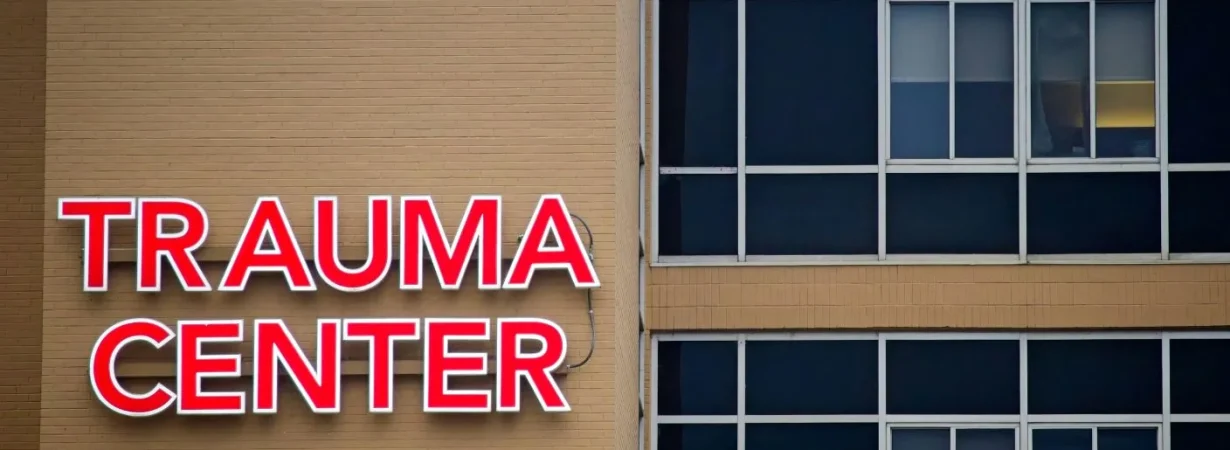
As over 1.7 million faithful gather for the pilgrimage, it really helps to grasp the Saudi Arabia Hajj support system before you go, so you can stay safe and still feel spiritually present. The Kingdom has rolled out its most advanced medical infrastructure yet. From dedicated mobile clinics to quick aerial movement, learning how to reach Hajj 2026 emergency care and Ministry of Health pilgrim assistance means you and your loved ones get real peace of mind during this huge, monumental moment.
Advanced Hajj 2026 Emergency Care Network
Saudi Arabia’s integrated health system makes sure that crucial care is not far, like really not, from any worshipper. To be sure response times stay quick, the Ministry of Defense has greatly strengthened the Saudi Arabia Hajj support system this year, by rolling out four fully prepared air medical evacuation aircraft. They are working in close, direct coordination with the ground teams, and these helicopters rapidly move fragile cases from the packed Holy Sites straight to the advanced medical centers in Makkah and Jeddah.
Ground Support and Field Hospitals
On the ground, big medical hubs are operating all day long, 24h a day as if it’s nonstop. Like, for instance, the specially equipped field hospital in Arafat sits directly opposite the Namirah Mosque, and it has more than 250 physicians and 110 beds set aside for cardiac resuscitation, isolation, and emergency attention. All of this feels like the absolute peak of Ministry of Health pilgrim assistance, actually in motion. In other words, it can take care of everything, from small bouts of fatigue to serious emergencies.
Smart Navigation: The Nusuk Card and 937 Hotline
In 2026, handling the Holy Sites and also getting to health services without issues means you need to rely on the Kingdom’s official digital tools.
- The Nusuk Card: You get the Nusuk Card when you arrive. It works as a required identification, both physical and digital; authorities use it to quickly recognize pilgrims, confirm their health records, and then allow entry smoothly to medical centers, transport links, and sacred areas.
- The 937 Medical Service: If you have a mild illness or you need quick medical advice, the official 937 hotline remains available 24/7. Doctors can do remote consultations, so a timely assessment is made before an in-person visit becomes necessary.
More Stories You Shouldn’t Miss
Explore why Pilgrim City trending tonight?
Discover why Saudi’s Pilgrim City is the most searched travel hub with key details on location, services, and pricing.
Check how Makkah digital platform works?
Explore how the new Makkah digital platform helps pilgrims plan, navigate, and access essential services
Discover why deportations rising in pilgrimage?
Check what’s behind the annual crackdown and why immediate deportations are now underway in the Holy City.
Explore Nusuk card discounts for pilgrims?
Discover what the Nusuk Card initiative means for Hajj and Umrah pilgrims and how it impacts travel costs in 2026.
Check new pilgrimage exclusion zones rules?
Explore how the new Holy City exclusion zones affect access and movement during the annual pilgrimage season.
Preventive Ministry of Health Pilgrim Assistance Guidelines
Keeping injuries and sickness away is kind of a core pillar within the Saudi Arabia Hajj support system. So to make the trip feel smooth, medical officials repeatedly ask pilgrims to stick to these full preventive directions, and yeah, it matters.
- Heat Stress Prevention: Saudi Arabia can experience very high summer heat. People are urged to keep drinking enough sealed bottled water, plus take breaks in shaded areas or in air-conditioned tents. If anything happens, the field hospitals have special heat stress treatment rooms already set up.
- Proper Foot Care: There are long walks between different rituals, and for that, you need comfortable, supportive shoes or footwear. The Ministry also asks pilgrims not to go barefoot, particularly diabetics, because that can lead to very serious blisters, cuts, and ulcers.
- Safe Tahallul Practices: To avoid spreading infectious illnesses, pilgrims are advised in a strict way not to share shaving tools while doing tahallul, meaning shaving or clipping hair.
You can also read the full health requirements for visitors on the official pilgrim portal of the Saudi Ministry of Health; it’s actually the best place to check.
A safe pilgrimage asks for more than just good intentions; it really needs personal vigilance and a kind of quiet awareness of the big resources around you. When you look into the Saudi Arabia Hajj support system and you follow the official health guidance, you can give your complete attention to your spiritual duties. Keep your identification with you at all times, drink enough fluids, call the 937 hotline whenever you need it, and rely on the world-class Hajj 2026 emergency care that is made specifically to safeguard your well-being.
FAQs
1. What is the official number for Hajj 2026 emergency care?
Pilgrims can call the 937 toll-free service any time, for medical consultations, urgent health questions, and remote doctor help, you know.
2. Are there facilities for heatstroke within the Saudi Arabia Hajj support system?
Yes. The Nusuk Card is considered a mandatory identification document for all pilgrims in 2026. It is required for traveling between sites, proving legal permission, and getting into official government services.
3. Is the Nusuk Card mandatory for receiving medical help?
Yes, the Nusuk Card counts as a sort of mandatory identification document for all pilgrims in 2026. It’s required for moving between different sites, for showing legal permission too, and for reaching official government services.
4. How are severe medical emergencies handled during rituals?
If a situation happens where instant, higher-level help is needed, the Kingdom uses air medical evacuation helicopters, so patients can be transferred fast from crowded sites into specialized hospitals.