

Why Libya’s Fuel Shortages Are So Difficult to Fix Despite Its Huge Oil Reserves
-
The Arab Post
- . August 28, 2026
- . Update: August 28, 2026 8:04 pm
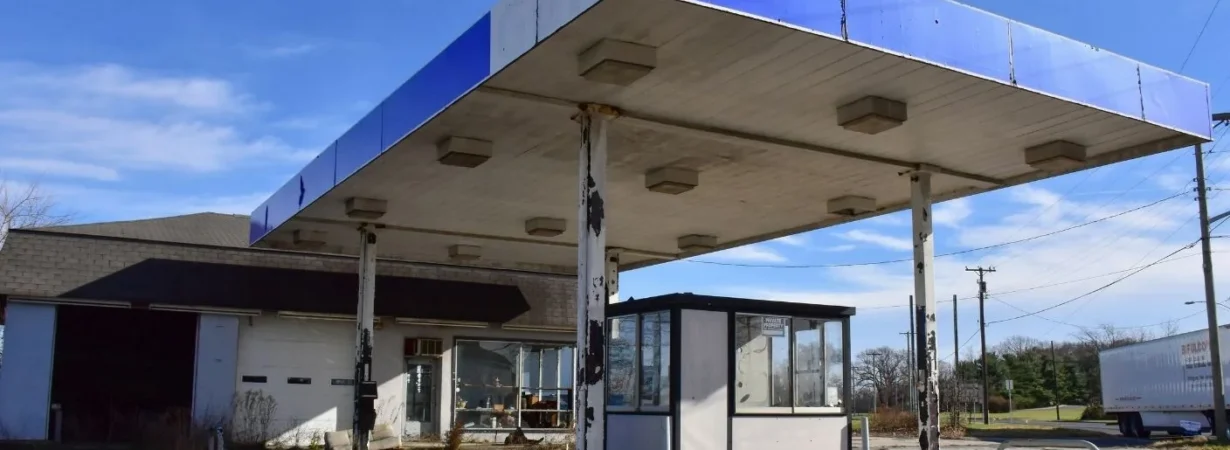
Picture having the biggest oil reserves in Africa, and lining up for days to fill up your car gas tank. Many millions of people throughout Libya are living this reality every day. Libya fuel shortages, Crude is being exported to global markets quickly by the heavy tankers, but daily life has been paralyzed by chronic shortages of Libya’s fuel. If a very rich petrostate has no gas in the tank, how did this happen? It is the combination of the destruction of basic infrastructure, organized crime run rampant, and a well-developed subsidy system which makes smuggling fuel in Libya, more profitable than legitimate business.
The Paradox of Libya Oil Reserves and Empty Pumps
The country has almost 50 billion high quality, sweet crude under its soil, and it should be an energy utopia. But, its local facilities are another story. The domestic facilities, especially the very important Zawiya refinery, cannot produce sufficient amounts of product to supply the local demand because of decades of neglect and civil war.
As such, the NOC has no choice but to send raw crude for export and to buy expensive refined fuel. In recent years, this has been done via opaque crude-for-fuel barter arrangements, which have been free of traditional central-bank financing and thus have created huge regulatory blind spots.
Fuel Smuggling in Libya: The Kleptocratic Shadow Economy
It is not only a shortage of refineries that is the real problem causing the continued shortage of fuel in Libya, but rather the price at the pump. The price of gasoline is very cheaply subsidized and is officially priced at less than $0.03 per liter (about 0.15 dinars). This astounding discount has engendered a vast underground economy.
It seems that militias, corrupt officials and transnational criminal cartels divert these cheap imports. A recent in-depth report by The Sentry estimates that the smugglers have costed the Libyan government almost $20 billion over three years through this highly organised fuel smuggling.
- Maritime Smuggling: Smuggling of the diesel by large boats is done in military-controlled ports using fake document to sell the diesel in the European markets.
- Land Routes: Tankers for local stations are rerouted south on the land towards borders such as Chad and Sudan, which are sold at black-market rates of up to 40 times the official price.
The Financial Toll of the Libyan Energy Crisis
The damage to the economy is devastating. Subsidizing imported fuel is a huge part of the national budget. The International Monetary Fund (IMF) recently in an assessment came out with an estimate of energy subsidies in the country, including fuel used in the power sector, amounting to $17 billion, consuming 35% of the total Gross Domestic Product (GDP) in 2024.
This is proving to be an expensive and unsustainable proposition and the state treasury is being steadily depleted of hard currency. This takes away much-needed investment for key sectors such as healthcare, education, infrastructure and many others, worsening the overall Libyan energy situation and hastening the devaluation of the local dinar currency.
The Push for Libyan Fuel Subsidy Reform
To do that, the top World Bank economists strongly recommend overall reform of Libyan fuel subsidies. The solution that has been proposed is simple: to eliminate fuel subsidies gradually and in a phasing manner and replace them with direct and targeted cash stipends distributed directly to Libyan households.
This would immediately do away with the monetary motivation for smugglers. But it will be politically risky to do this. Citizens are scared of even the slightest increase in prices and the armed groups that are already earning billions of dollars from the current situation are strongly against any change in the system.
Libyans fear reform as IMF calls for end to petrol subsidy
But ultimately, this is a governance failure, not a resource failure, given an abundant supply of crude oil from a rich petrostate. In the meantime, the huge oil reserves of Libya will only be benefiting transnational smugglers, while ordinary Libyans will continue to suffer, until the government can show the leadership to reform its fuel subsidies, improve its refining capacity, and effectively monitor its ports. Economic restructuring is only a small part of the equation, the political will is equally huge in resolving the Libyan energy crisis.
FAQs – Libya fuel shortages
Q1: Why does the country have Libya fuel shortages if it produces so much oil?
A: In spite of the huge amounts of oil Libya has in reserve, its oil refineries, such as the Zawiya refinery, are not capable of processing enough crude to make usable gasoline. The country has to import refined fuel, and often it is stolen by armed groups before the citizens get it.
Q2: How much does fuel smuggling in Libya cost the economy?
It is estimated that fuel smuggling in Libya costs the government between $5 billion to $6.7 billion every year. This is a direct addition to the wealth of kleptocratic networks and armed militias.
Q3: What is the proposed Libyan fuel subsidy reform?
A: International financial institutions have recommended the removal of low-cost petrol prices, and instead provide cash transfers directly to citizens. This Libyan fuel subsidy reform is designed to safeguard the poor but make smuggling unprofitable.
Discover More Insights
Explore Cairo inflation middle class impact?
Discover how rising prices are affecting savings and daily life.
Check Algeria power plant deadline extension?
Explore updates on the 1.2GW energy project timeline.
Discover Turkey new electricity tariff changes?
Check how updated pricing will impact households and businesses.
Explore Qatar initiative boosting Syria power?
Discover efforts aimed at strengthening Syria’s electricity generation.
Check Beirut balcony lighting energy tips?
Explore efficient lighting ideas for Ramadan and beyond.