
President Sisi’s Post-IMF Economic Plan Explained: Prices, Jobs, and Growth
-
The Arab Post
- . July 5, 2026
- . Update: July 8, 2026 4:47 pm
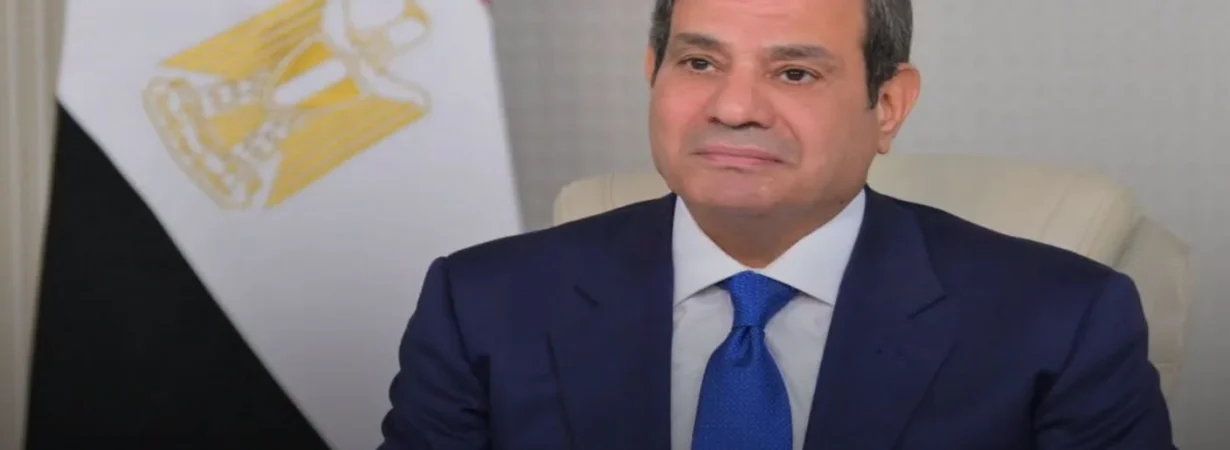
As Egypt transitions away from needing international rescue loans, the nation is sort of stepping into a critical new era of financial independence. With the recent closing out of major funding tranches, President Sisi’s Post-IMF Economic Plan has officially been rolled out. This ambitious, but very focused roadmap is meant to pull the country away from debt-fueled development toward something more sustainable, locally generated wealth. For everyday citizens and foreign investors too, getting what Egypt’s New Strategy really involves is basically vital. So here’s a more complete look at what this shift may mean for prices, jobs, and broader growth in 2026 and beyond.
The Core Pillars of Egypt’s New Strategy
After the fairly rigorous fiscal adjustments required by the International Monetary Fund (IMF), the Egyptian government is now pivoting its attention. Instead of leaning on external borrowing, President Sisi’s Post-IMF Economic Plan leans hard into local manufacturing, agricultural self-sufficiency, and a more aggressive push toward private-sector expansion.
Prioritizing Foreign Direct Investment
One of the main targets of the current administration is to turn Egypt into a premier regional magnet for foreign direct investment (FDI). By setting up meaningful tax incentives and by trimming down bureaucratic friction, the government hopes to draw multinational corporations in technology, clean energy, and logistics. This also lines up with the longer-range sustainability aims that were recently described in the World Bank’s economic overview of Egypt.
How Egypt Economic Reform 2026 Impacts Prices, Jobs, and Growth
The average citizen really wants to figure out how all this macroeconomic stuff will hit their wallet. Like, in practice, this new strategy zooms in on prices, jobs, and growth—without too much extra ceremony. Here’s what it’s doing, specifically,
- Prices (Tackling Inflation): Getting inflation down in Egypt is the government’s top job. The idea is that if they nudge domestic production higher and also cut back on depending on costly foreign imports, then the Egyptian Pound should get more stable. Once that happens, everyday consumer prices are supposed to ease, bit by bit, even if not instantly.
- Jobs (Private Sector Empowerment): Before, employment mostly came from state-led mega-projects, you know those big moves the government did. Now, the plan kinda shifts the responsibility over to the private sector. The government is selling state-owned assets to private investors to encourage sharper competition, and in turn, support millions of long-term, dependable jobs.
- Growth (Export-Driven Economy): And for growth that actually sticks, the plan leans hard on exports. Egypt wants to modernize ports and use export subsidies so trade brings in more foreign currency. The expectation is that the country can expand reserves through exports, rather than leaning even more on debt.
For official updates tied to ownership policies and other economic instructions, you can check the State Information Service (SIS).
Navigating Challenges in the Egypt Economic Reform 2026
While the blueprint for Egypt’s New Strategy is, honestly, pretty promising, actually executing it comes with some real-world hurdles. Global market volatility, geopolitical tensions in the Middle East, and high global interest rates keep popping up as risks, even if nobody wants to admit it.
Based on recent financial analyses by Reuters, keeping inflation in check while also removing the remaining state subsidies will need a delicate balancing act. Even so, the Egyptian Ministry of Finance says it’s expanded robust social safety nets to shield the most vulnerable groups during this transitional period.
The rollout of President Sisi’s Post-IMF Economic Plan feels like a clear turning point for the Arab world’s most populous nation. By aggressively courting foreign direct investment and pushing private enterprises to take the lead, Egypt’s New Strategy suggests long-term financial steadiness. Still, challenges remain, especially in taming inflation in Egypt, but this comprehensive Egypt economic reform 2026 gives a rather solid and actionable roadmap for stabilizing prices, jobs, and growth for generations to come.
FAQs
What is the main focus of President Sisi’s Post-IMF Economic Plan?
So basically, the plan shifts Egypt’s economic focus away from international borrowing and more toward making sustainable growth happen through local manufacturing, private sector empowerment, and higher exports.
Will this new strategy help reduce inflation in Egypt?
Yes, pretty likely. A key part of Egypt’s new strategy is boosting domestic production. By leaning less on imports, the government aims to stabilize prices and so keep inflation in Egypt more controlled.
How will this affect job creation?
The Egypt economic reform 2026 leans quite a lot on foreign direct investment and private sector expansion to create jobs. It moves away from those short-term, state-funded construction projects and turns it toward lasting corporate and industrial employment.
Explore More Must-Reads
Explore current vs savings account differences?
Discover how choosing between current and savings accounts can impact your daily banking and long-term financial planning.
Explore Cairo living costs 2025–2026 trends?
Check how rising expenses and inflation are shaping everyday life and budgeting in Cairo for residents.
Explore Amman jobs and living reality?
Discover real salaries, job opportunities, and actual living costs in Amman before making a move.
Explore best countries for Arabs 2026?
Check top destinations, visa options, and opportunities for Arabs planning to relocate in 2026.
Explore Morocco gig economy earnings and taxes?
Discover platforms, income potential, and tax rules shaping Morocco’s growing gig economy.