
Egypt Private Sector Holiday: July 23 Declared a Paid Day Off by the Ministry of Labor
-
Dhivyanshu
- . July 23, 2026
- . Update: July 23, 2026 5:07 pm
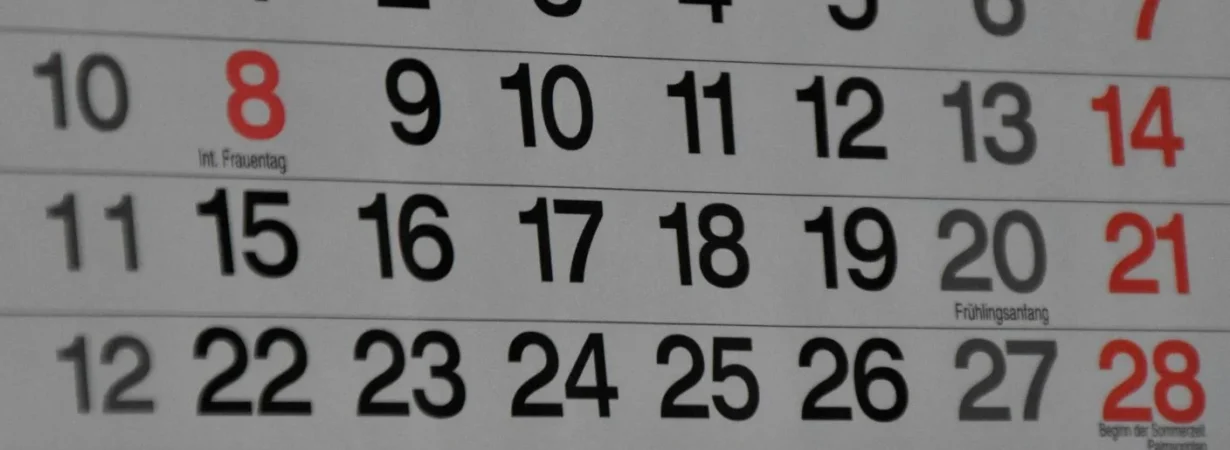
If you work in Egypt, there is great news about your upcoming work schedule. The Ministry of Labor Egypt has officially announced that Thursday, July 23, 2026, will be a fully paid day off for all private-sector employees. Egypt private sector holiday rules, This announcement comes right around the historic anniversary of the 1952 revolution, and yes, it’s a proper Egypt private sector holiday so workers can get a well-deserved long weekend. But what if your employer asks you to work anyway? In this guide, we break down how the paid holiday rules work, what compensation details look like, and basically everything you should know about the coming July 23 Revolution holiday.
Understanding the July 23 Revolution Holiday
Every year, Egypt commemorates the 1952 revolution, which was a pivotal moment in the nation’s modern history and helped shift the country toward becoming a republic. On this occasion, the Egyptian government makes sure that both public and private sector employees receive a day to rest and reflect on the country’s rich heritage too.
After an initial decree by Prime Minister Mostafa Madbouly (Decree No. 2181 of 2026) covering government workers, the decision was published via the official Egyptian Cabinet portal. Then Minister of Labor Hassan Radad confirmed that the July 23 Revolution holiday applies to the private sector as well. This move makes sure all workers nationwide can celebrate the national holiday at the same time, which supports a more unified sense of national pride that is regularly mentioned by the State Information Service (SIS).
Egypt Private Sector Holiday Rules for 2026
Trying to make sense of employment rights around national holidays can get a bit messy sometimes. Still, the Ministry of Labor Egypt has put together fairly clear paid holiday rules, so workers are protected, and the whole process stays transparent in practice, not just on paper.
As per the recent official notice, which was shared by major business outlets like Amwal Al Ghad, the holiday is required under Article 129 of the newly updated Egypt Labor Law (Law No. 14 of 2025) plus Ministerial Decree No. 294 of 2025. In other words, it should mean a fully paid day away from work for all qualifying employees in the private sector, with zero deductions taken from annual leave balances.
What Happens If You Have to Work?
Now, in some high-tempo fields—hospitality, healthcare, or essential retail for instance—closing everything entirely just isn’t feasible. The Egypt Labor Law recognizes this kind of necessity, while also keeping employee rights tightly safeguarded.
So if your employer asks you to work during the July 23 Revolution holiday, you’re entitled, by law, to additional pay. The rules say it plainly, more or less:
- Double Pay: You must get double your usual daily wage on top of your normal salary for that day.
- Alternative Day Off: Or, you can be granted a replacement day off on another date. To use this option, you need to send a written request to your employer, and it should be added officially to your personnel file.
Government Oversight by the Ministry of Labor Egypt
So, to make sure each company follows these paid holiday rules exactly or at least as strictly as possible, the official Ministry of Labor has sent nationwide circulars to the labor directorates in all governorates.
In practice, government inspectors will keep going out to worksites and production facilities, checking that workers either get their paid day off, or they are compensated properly if they are asked to work. This kind of supervision means the Egypt private sector holiday is going to be treated properly everywhere. Also, financial businesses are not left out, because the Central Bank of Egypt, announced a matching bank holiday for the whole financial sector.
And you know, the decision to treat the July 23 Revolution holiday as a paid day off really matches how the country wants to respect its history while also legally safeguarding worker rights. With the clear guidelines from the Ministry of Labor Egypt, employees can feel more relaxed, enjoy the Egypt private sector holiday, or else receive fair compensation if work is required. So, take a moment to understand what your rights are under the Egypt Labor Law, and have a deserved long weekend!
FAQs – Egypt private sector holiday rules
Q1: Is the July 23 Revolution holiday paid for private sector workers?
A: Yes, the Ministry of Labor in Egypt has confirmed it is a fully paid official holiday for every employee covered under the Egypt Labor Law.
Q2: What are my rights if my boss makes me work on the Egypt private sector holiday?
A: Under the official paid holiday arrangements, if operational needs require you to work, your employer must pay you double your daily wage (besides your normal pay), or offer you another day off if you ask in writing.
Q3: Are government workers and banks also getting the day off?
A: Yes. The Prime Minister declared a paid holiday for all ministries, government agencies and public sector firms, and the CBE also confirmed a holiday for the banking sector.
Q4: Will scheduled university or school exams be canceled?
A: No. Per the Prime Minister’s decree, all examinations set for Thursday, July 23 will go ahead as they were planned by the relevant educational authorities.
Explore More Must-Reads
Explore current vs savings account differences?
Discover how choosing between current and savings accounts can impact your daily banking and long-term financial planning.
Explore Cairo living costs 2025–2026 trends?
Check how rising expenses and inflation are shaping everyday life and budgeting in Cairo for residents.
Explore Amman jobs and living reality?
Discover real salaries, job opportunities, and actual living costs in Amman before making a move.
Explore best countries for Arabs 2026?
Check top destinations, visa options, and opportunities for Arabs planning to relocate in 2026.
Explore Morocco gig economy earnings and taxes?
Discover platforms, income potential, and tax rules shaping Morocco’s growing gig economy.