

U.S. and Saudi Fighter Jets Launch Joint Airstrikes Against PMU Forces in Iraq: Full Details
-
Dhivyanshu
- . July 29, 2026
- . Update: July 29, 2026 6:01 pm
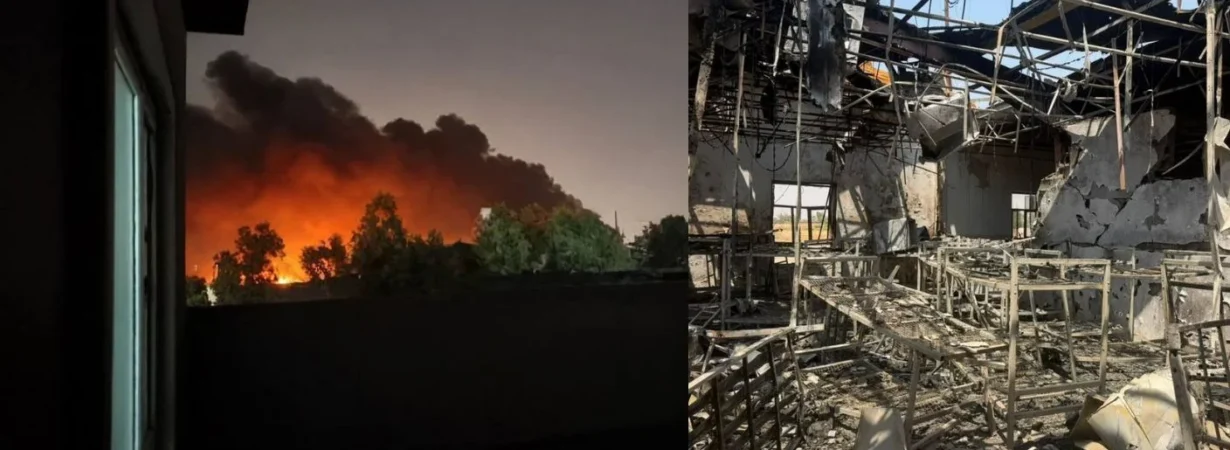
The geopolitical landscape in the Middle East has kind of reached a boiling point. On July 28, 2026, U.S. and Saudi fighter jets launched joint airstrikes against PMU forces in Iraq, which is to say an unprecedented level of military coordination between Washington and Riyadh inside Iraqi territory. US Saudi joint airstrikes Iraq, The targeted strikes were meant to cripple the logistics and weapons capabilities of the Popular Mobilization Units (PMU), sorta like an umbrella grouping of Iran backed militias. In the days after, relentless drone attacks hit Saudi energy infrastructure and American forces, so this dramatic military response may end up reshaping regional stability. Here is everything you need to know about the US-Saudi joint airstrikes Iraq escalation.
Unprecedented Escalation: Why the US and Saudi Arabia Struck PMU Forces in Iraq
The choice to launch US Saudi joint airstrikes Iraq was not made lightly. Per a formal statement from U.S. Central Command (CENTCOM), American and Saudi forces carried out precision strikes against multiple terrorist logistics and weapons sites located across eastern and southern Iraq.
The Catalyst: 72 Hours of IRGC-Directed Drone Attacks
The immediate trigger for the joint military operation was a massive wave of aerial aggression. Over the preceding 72 hours, the region saw more than 30 drone attacks aimed at, directed by Iran’s Islamic Revolutionary Guard Corps (IRGC).
The Saudi Ministry of Defense said it had intercepted and then destroyed several drones that were launched from Iraqi territory, kind of like out of nowhere, you know. As the Associated Press (AP) reported, these hostile drones were aimed, specifically at crucial petroleum sites in Saudi Arabia’s Eastern Province. Hitting back at PMU forces in Iraq, the U.S. and Saudi Arabia seemed to want to quiet the launching points behind these unprovoked attacks, while warning that any more aggression would bring serious military consequences.
Casualties and Targeted Locations Across Iraq
Also, the breadth of the US CENTCOM strikes against Iran proxies was pretty large. It was not just one isolated thing, but fighter jets went after militia strongholds all across seven Iraqi provinces: Baghdad, Wasit, Nineveh, Basra, Kirkuk, Karbala, and Diyala.
The combined strikes ended up causing major damage, including to military headquarters, combat vehicles, and even weapons storage areas.
- Casualties: The Popular Mobilization Forces said at least 20 of its members were killed during the bombardment.
- Injuries: A reported 32 people were wounded, and the search-and-rescue work is still happening at the sites that were leveled.
The PMF’s Response to the Airstrikes
The Popular Mobilization Units (PMU), which are officially part of Iraq’s state security system, answered with sharp condemnation. In a public statement, the PMF described the strikes as a “highly dangerous escalation” and a “flagrant violation of Iraq’s territorial integrity”. Meanwhile, the Iraqi government, stuck between its ties with the United States and the strong pull of Tehran-backed groups, now faces heavy internal pressure to insist on accountability for these foreign military operations carried out on Iraqi soil.
Regional Fallout: Rising Tensions in the Middle East
This latest escalation does not really exist in a vacuum. The U S Saudi joint airstrikes in Iraq happened right alongside heightened military alerts across the Gulf. At the same time, the IRGC Navy reportedly seized oil tankers in the Strait of Hormuz, and Jordan’s air force intercepted Iranian drones heading toward its airspace.
Foreign policy analysts at The Atlantic Council argue that Riyadh’s direct involvement in striking targets inside Iraq points to a deeper, Gulf Arab frustration with Baghdad’s inability to rein in rogue militias. And as the axis of conflict keeps widening, the global energy market, plus international shipping lanes, stay stuck on high alert.
There’s also the big call, the decision that feels almost unprecedented, where U S and Saudi fighter jets launched joint airstrikes against PMU forces in Iraq. That move signals a drastic turn in Middle Eastern geopolitics. By directly striking where the recent drone swarms were coming from, Washington and Riyadh have effectively drawn a hard red line against Iran’s proxy network. Still, with the death toll rising, and the Popular Mobilization Units (PMU) vowing more defiance, what happens long-term for Iraq’s sovereignty and regional calm remains painfully unclear, and honestly pretty uncertain too.
FAQs – US Saudi joint airstrikes Iraq
Q1: Why did the U.S. and Saudi Arabia attack Iraq?
A: U.S. and Saudi fighter jets really launched joint airstrikes against PMU forces in Iraq, kind of as a direct retaliation for more than 30 IRGC-directed drone attacks that hit American troops and also Saudi oil facilities.
Q2: Who are the PMU forces in Iraq?
A: The Popular Mobilization Units, or Hashd al-Shaabi, is basically a state-backed umbrella organization, made up mostly of Shia paramilitary groups. A lot of those groups are heavily supported and backed by Iran.
Q3: What were the results of the joint airstrikes?
A: The strikes landed on PMU headquarters spread across seven provinces, and it led to at least 20 deaths and 32 injuries. There was also major destruction of militia logistics, plus weapons facilities.
Discover more Insights
Explore Iran War Lessons Globally?
Explore how the 2026 Iran war reshapes global power and strategy.
Discover Iran Delay Strategy Tactics?
Discover how Iran uses delay, repression, and proxy influence.
Check Trump Iran Strategy Importance?
Check why Trump’s Iran strategy depends on Gulf allies.
Explore Iran Military Warning Signals?
Explore rising warnings from Iran alarming global powers.
Discover Sudan Iran Axis Threat?
Discover how the Sudan-Iran axis raises serious regional concerns.