
Pakistan-Bangladesh-Saudi Joint Force in Red Sea: What Impact Could It Have on Global Oil Transport?
-
Dhivyanshu
- . August 11, 2026
- . Update: August 11, 2026 8:50 pm
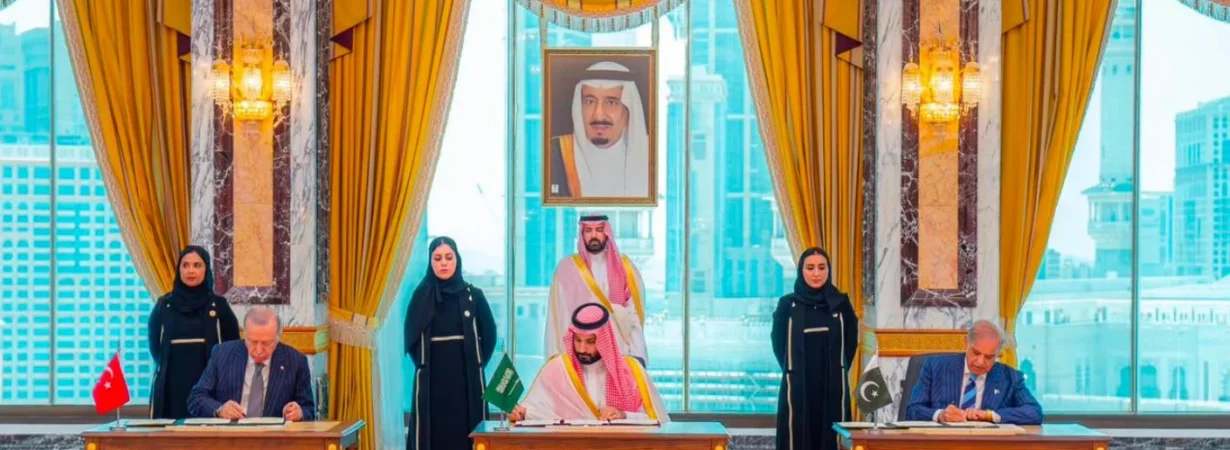
Saudi Arabia has taken steps to formalise a sweeping new maritime security arrangement, Red Sea Alliance, bringing together Pakistan, Bangladesh and a dozen other nations under a Multinational Maritime Defence Alliance aimed at protecting one of the world’s most vital oil transport corridors. The declaration was signed in Riyadh on July 30, 2026, following a summit that gathered military officials from 43 countries, as well as a delegation from the European Union.
Who’s Involved And Why Now
The founding signatories include Saudi Arabia, Pakistan, Bangladesh, Kuwait, Bahrain, Qatar, Turkiye, Egypt, Jordan, Yemen, Nigeria, Sudan, Djibouti and Somalia. Saudi Arabia is named as the leading state and host of the coalition’s headquarters, joint command and combined maritime operations centre. Notably, the United Arab Emirates and Oman have not signed on to the initial statement, despite having similar security concerns. Their absence signals differences in how Gulf states want to approach the evolving security architecture in the region.
The demand for a unified naval force comes as Houthi forces in Yemen have increased attacks on commercial vessels and oil facilities, including a blockade announced against Saudi Arabia in July and reported strikes on Saudi-linked shipping. Saudi Arabia has responded with air strikes on Houthi sites in Hodeidah while tensions associated with the wider Iran conflict have spread further into the maritime routes through the Gulf, the Red Sea and the Bab el-Mandeb Strait.
Why the Region Counts for Oil
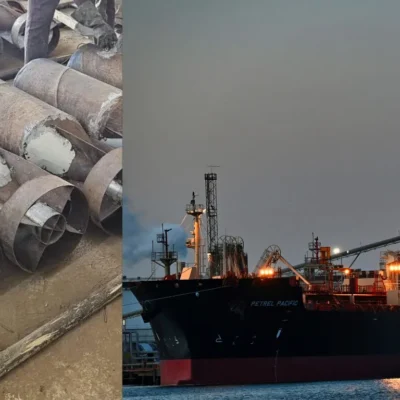
The Bab el-Mandeb Strait and the broader Red Sea corridor carry around 12 per cent of global trade and a large share of the world’s oil shipments between the Gulf, the Suez Canal and European and Asian markets. Any disruption along this route has the effect of forcing tankers into longer, more expensive detours around Africa, increasing shipping times and insurance costs and putting upward pressure on global fuel prices. The threats of blockade and the repeated attacks in 2026 have already pushed up oil prices and caused some shipping operators to avoid the corridor altogether.
The Role of Pakistan and Bangladesh
For Pakistan, joining the coalition is a natural extension of its existing Operation Muhafiz ul Bahr, a naval mission launched in March 2026 to protect its own sea lanes and ensure uninterrupted energy supplies amid the regional conflict. Pakistan’s involvement indicates its willingness to help secure a corridor through which a big chunk of its own oil imports travel.
Bangladesh’s role for the moment is more diplomatic than operational, given its economic reliance on energy imports from the Gulf and remittances from Bangladeshis working in Saudi Arabia and other Gulf states, although its exact naval contribution has yet to be publicly spelt out.
What’s Next – Red Sea Alliance
The alliance is still in its foundational phase, with military planners from member states working to settle on a charter, technical framework and command structure before formal launch, officials have said. Analysts said negotiations on funding were still underway and Saudi Arabia should not be expected to pick up the entire tab for the coalition. The coalition’s charter is reportedly still open to more countries, including the United States, which has not confirmed participation yet, but is expected to join in the end due to its alliance with Riyadh.
Possible Effects on International Oil Transportation
If the alliance succeeds in deterring attacks and stabilising shipping through the Red Sea and Bab el-Mandeb Strait, it could help to restore confidence among tanker operators who have been rerouting vessels or paying sharply higher insurance premiums since the escalation began. A more secure corridor would likely ease some of the upward pressure on oil prices associated with Red Sea risk premiums.
But if the coalition struggles with financing, coordinating 14 militaries or the continued absence of key regional players such as the UAE and Oman, the security gains may be limited and global oil transport vulnerable to continued disruption from Houthi attacks and the broader Iran conflict.
Discover more Insights
Explore Iran War Lessons Globally?
Explore how the 2026 Iran war reshapes global power and strategy.
Discover Iran Delay Strategy Tactics?
Discover how Iran uses delay, repression, and proxy influence.
Check Trump Iran Strategy Importance?
Check why Trump’s Iran strategy depends on Gulf allies.
Explore Iran Military Warning Signals?
Explore rising warnings from Iran alarming global powers.
Discover Sudan Iran Axis Threat?
Discover how the Sudan-Iran axis raises serious regional concerns.