

Tangier–Casablanca Rail Link Explained: What Maersk’s New Service Means for Morocco
-
The Arab Post
- . August 19, 2026
- . Update: August 19, 2026 5:24 pm
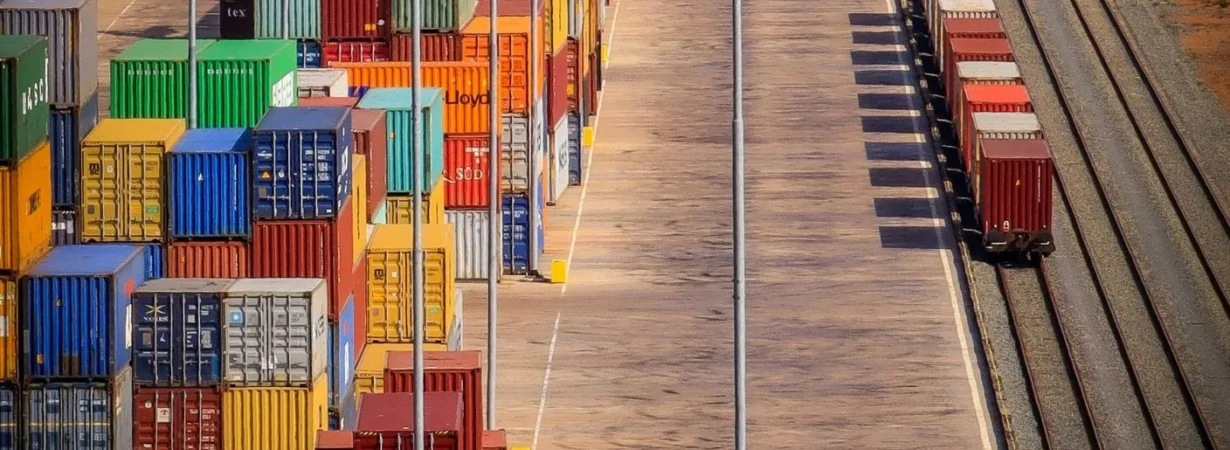
With North Africa’s trade volumes climbing, supply chain bottlenecks are starting to feel like a real problem for a lot of businesses. And, you know, as Casablanca port congestion ramps up, something had to give. Maersk rail link, So in August 2026, A.P. Moller-Maersk (the shipping giant) officially kicked off the much-anticipated Maersk Tangier Casablanca rail link. It’s fully operational, and the thing runs with high frequency, meaning international cargo gets pulled away from straight sea calls at Casablanca. Instead, shipments are sent via the state-of-the-art Tanger Med port first, then they move inland by rail. For companies that care about timely deliveries, this Maersk new rail service Morocco ends up being a game-changer, providing, well, top-tier consistency and basically reshaping how goods roll into the country’s industrial heartland.
The Strategic Importance of the Maersk Tangier Casablanca Rail Link
Morocco in general acts like a key junction, kind of between Europe, Africa, and the Americas. Tanger Med handles huge global transshipment volumes, but the domestic commercial core still leans heavily on the Port of Casablanca.
Bypassing Casablanca Port Congestion
In just the first half of 2026, the Port of Casablanca logged a cargo throughput of 17 million tonnes, which shows a massive 32% year-on-year jump during peak months. Sure, this kind of growth is positive for the economy, but it also pushes the system into chronic delays and leaves less room for flexible operations. By moving sea freight onto the Maersk Tangier Casablanca rail link, logistics managers can skirt around the maritime pinch points more or less completely, leading to a smoother arrival for their goods.
Enhancing Supply Chain Performance
When maritime and rail networks get tied together, you end up with a flow of goods that’s pretty predictable, even more so than before. If you look at the official Maersk Europe Market Update, the idea is that inland solutions really put Tangier in the spotlight as a sort of main global gateway while rail is used to feed the Casablanca commercial hub. And that setup, well, it cuts down lead times a lot, plus it tends to make the whole supply chain work stronger overall, for everyone involved.
How the Maersk New Rail Service Morocco Benefits Businesses
Now, the shift toward multimodal logistics gives a few real, practical benefits for both local and international companies moving around in Morocco:
- Predictable Transit Times: Rail departures are fixed and regular, so firms can plan inventory with more care and avoid those annoying, costly stockouts.
- Increased Flexibility: The North Africa Post points out that businesses basically have a dependable substitute for traditional trucking. So they can sidestep road congestion and also dodge some of the fuel price volatility that comes with it.
- Reduced Carbon Footprint: Rail generally generates fewer emissions per ton of cargo compared with road freight. So it fits with sustainability goals on a global scale, not just a local one.
The Role of ONCF in Modernizing Moroccan Freight
This logistics breakthrough wouldn’t be real without Morocco’s national railway operator ONCF. The Maersk new rail service Morocco kind of leans hard on the country’s steadily growing rail capacity. Based on industry reports from Construction Review Online, ONCF is now working through an ambitious $10 billion modernization program, meant to upgrade tracks, build out freight capabilities, and connect major industrial zones in a smoother way.
Also, ONCF didn’t do it alone; it’s collaborating closely with the National Ports Agency ANP and the Tanger Med Port Authority. Together, they’ve put together an integrated transport corridor, and it kind of locks in Morocco’s standing as a serious, go-to African logistics hub.
When the Maersk Tangier Casablanca rail link gets launched, it feels like a pivotal next step for North African trade infrastructure. The whole idea is that the Maersk new rail service Morocco can strategically bypass the port congestion around Casablanca, then lean on the big infrastructure push driven by ONCF. For companies worldwide, this turn toward integrated multimodal logistics means quicker routes, steadier scheduling, and a more efficient way to reach one of the continent’s most important emerging markets.
FAQs – Maersk rail link
Q1: What is the Maersk Tangier Casablanca rail link?
A: So basically it’s a high-frequency rail freight thing, a dedicated service, running from the Tanger Med port straight to Casablanca. It gives a kind of smooth inland route instead of going by direct ocean calls, you know, more or less.
Q2: Why was this Maersk new rail service Morocco introduced?
A: They rolled it out to tackle really severe port congestion around Casablanca. The port moved about 17 million tonnes of cargo in the first half of 2026, and that volume caused delays for the usual sea shipments.
Q3: How does this impact Moroccan supply chain performance?
A: By mixing global maritime reach with more predictable rail timetables, it helps companies with inventory planning, reduces emissions, and provides a sturdier multimodal logistics approach, more adaptable.
Explore More Must-Reads
Explore current vs savings account differences?
Discover how choosing between current and savings accounts can impact your daily banking and long-term financial planning.
Explore Cairo living costs 2025–2026 trends?
Check how rising expenses and inflation are shaping everyday life and budgeting in Cairo for residents.
Explore Amman jobs and living reality?
Discover real salaries, job opportunities, and actual living costs in Amman before making a move.
Explore best countries for Arabs 2026?
Check top destinations, visa options, and opportunities for Arabs planning to relocate in 2026.
Explore Morocco gig economy earnings and taxes?
Discover platforms, income potential, and tax rules shaping Morocco’s growing gig economy.