

Iraq Overhauls Import Fees: What the New Advance Customs Payment System Means for Businesses
-
Dhivyanshu
- . August 24, 2026
- . Update: August 24, 2026 8:56 pm
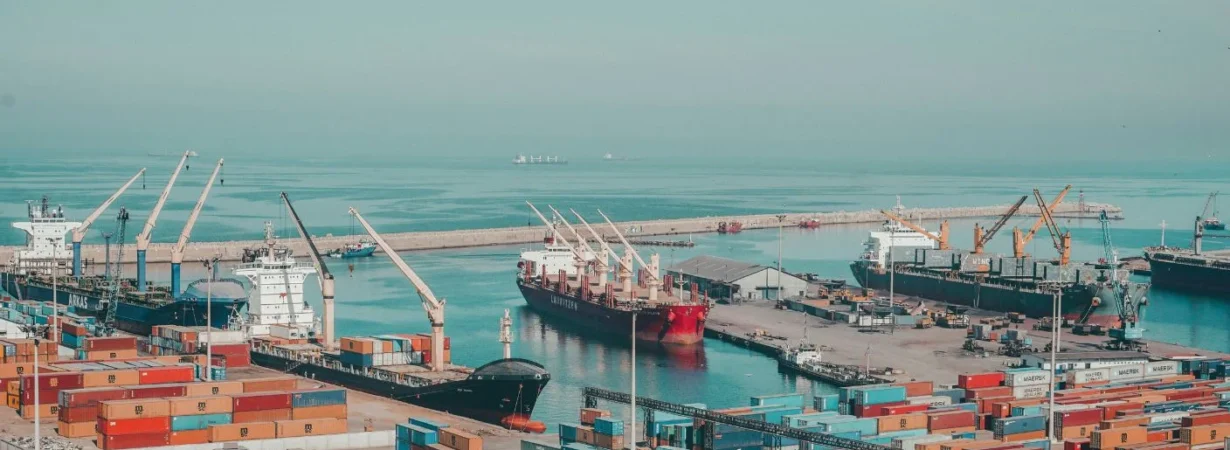
In a pretty big step toward modernizing its national trade infrastructure, Iraq is sort of overhauling import fees with this broad regulatory framework that sounds strict, and honestly looks aimed at getting everything digitized…like, the whole system. Iraq advance customs payment, Back in August 2026, the Iraqi Council of Ministers officially gave the green light to a stringent “Iraq advance customs payment” system, meant to streamline trade, limit tax evasion, and digitize revenue collection. Starting October 1, 2026, the policy basically shifts the financial burden for customs duties right to the beginning of import transactions, like at the first phase before the goods really do anything. So for foreign suppliers and local merchants who are trying to push their way into the Iraqi market, understanding how the new ASYCUDA customs platform works is now key, because otherwise you’re looking at supply chain delays that can get pretty nasty, fast.
How the Advance Customs Payment System Works
Before all this, Iraqi customs and tax assessments were a tangled, multi branch, paper based kind of process that was usually sorted out after the goods arrived. Now the new framework flips the timing entirely. By linking trade financing directly to the ASYCUDA customs platform (Automated System for Customs Data), the government basically makes sure the state receives what it’s owed before the shipment even starts moving.
Tying Bank Transfers to Upfront Duties
Under the new directive, importers have to deposit funds for foreign transfers through authorized, licensed banks. However, those bank transfers will be held back from release until the importer handles all the estimated customs duties and tax deposits- no exceptions, or at least that’s the whole idea.
After you’re cleared via that electronic portal, these upfront payments get pushed straight into the designated accounts at the Ministry of Finance, within 15 days, more or less. In practice, it kind of turns what used to look like a post-clearance check into something more compulsory, like a must-have step before international payments can be released.
Calculating Iraq Import Fees Under the New Rules
For Iraq businesses, the big question is: how exactly will these early charges be figured out before the cargo actually shows up physically at the port? As legal advisors who’ve been following the rollout put it, like Iraq Gate Legal Consulting, the estimated tax deposits and duties are supposed to be produced using the preliminary paperwork the importer submits.
So the ASYCUDA system calculations will lean a lot on
- Commercial invoices and shipping documents.
- The declared value and the precise type of goods.
- The confirmed country of origin.
- The latest customs classification, matched against Iraq’s newly unified tariff schedules.
This builds on an earlier 2026 directive, which Deloitte had already pointed out, requiring that commercial invoices and Certificates of Origin be electronically verified, in a mandatory way, before any declarations can even be processed.
What This Means for Businesses and Importers
For companies importing goods into the country, this reform sort of creates immediate operational headaches. While the government gains unprecedented transparency and tighter fiscal control, Iraqi businesses still have to adapt to a different cash flow reality, right away.
- Working Capital Pressures: When cash is tied up for both the supplier payment and the Iraq import fees upfront, you suddenly need a much larger pool of working capital that’s actually accessible, not just “available in theory” or promised later.
- Zero Margin for Error: Since duties are assessed using preliminary data before the payment release, any classification errors cannot just be shrugged off and corrected after clearance. A small mistake can stop the bank transfer, and then the whole transaction sits there, stranded.
- Digital Compliance: Firms have to confirm that their customs brokers and logistics partners are fully registered and genuinely capable in the ASYCUDA customs platform, no half steps, because everything is linked and traceable.
The regional news outlet Shafaq News says that even if these adjustments put short-term pressure on trade margins, in the long run they bring Iraq closer to modern global standards pushed by bodies such as UNCTAD, which originally developed the ASYCUDA system.
As Iraq overhauls its import fees, the rollout of the Iraq advance customs payment system feels like a big change, moving away from those paper based hold ups towards something more data driven and, honestly, more accountable. Even if the mandatory tie-in with the ASYCUDA customs platform will squeeze the working capital of a lot of Iraq businesses in the short term, it should pave a cleaner and faster path forward for cross-border commerce. Importers basically have until October 2026 to rework their financing approach, keep compliance tight with electronic verification rules, and get used to the new upfront Iraq import fees reality.
FAQs – Iraq advance customs payment
Q1: When does the new Iraq advance customs payment system take effect?
A: The Iraqi Council of Ministers set the new upfront payment requirements to run fully starting October 1, 2026.
Q2: What is the ASYCUDA customs platform?
A: ASYCUDA is an automated, widely recognized electronic customs management system. In Iraq, it’s used to digitize tariff calculations, follow import activities, and lock in tax deposits remotely.
Q3: Will the new rules affect my international bank transfers?
A: Yes. Authorized Iraqi banks will not release foreign transfer money to overseas suppliers until the importer has paid the estimated tax deposits and customs duties through ASYCUDA.
Q4: How are the upfront duties calculated?
A: The duties get estimated using preliminary information provided by the importer , including electronic validation of the commercial invoices, the shipment’s origin, and its declared value.
Top Picks For You
Discover top Middle East tourist sights?
Explore must-visit landmarks across the region for travelers.
Explore essential apps for Arab travel?
Check must-have apps to simplify your trip planning.
Check common travel mistakes Arab countries?
Discover key errors tourists should avoid during visits.
Explore top Arab festivals for tourists?
Discover unique cultural events across non-GCC destinations.
Check tourist safety tips Arab countries?
Explore essential precautions for safe and smooth travel.